In the last decade, esports has evolved from a subculture into a global entertainment powerhouse. Competitive gaming, once confined to niche communities and local LAN events, has now expanded into a multi-billion-dollar industry. With professional players, sponsorships from major global brands, and a fanbase that rivals traditional sports, esports is no longer just a passing trend—it’s a movement that’s reshaping how we view entertainment.
In this blog, we’ll explore the growth of esports, its impact on traditional sports, the key players involved, and the direction it’s heading in. We’ll examine how the gaming landscape has transformed into a competitive arena where talent, strategy, and teamwork are as critical as in any sport.
The Origins of Esports: From Casual Gaming to Global Tournaments
Esports, at its core, is competitive gaming—where individuals or teams play video games against each other for sport, usually with a structured system of competitions and tournaments. Its origins can be traced back to the 1970s and 1980s, when video games like Space Invaders and Pac-Man saw players competing for high scores in arcades. Though these early games were not “competitive” in the modern sense, they laid the foundation for what would later become the esports phenomenon.
However, esports as we know it began to take shape in the 1990s with the advent of multiplayer online games like Quake, StarCraft, and Warcraft. These games allowed players from around the world to connect and compete against each other in online environments. It wasn’t long before competitive tournaments started to take form, most notably through events like the Cyberathlete Professional League (CPL) in the late 1990s and the World Cyber Games (WCG), which launched in 2000. These events attracted players and fans alike, providing a platform for gamers to showcase their skills in front of a live audience.
By the mid-2000s, the rise of broadband internet allowed gamers to play from the comfort of their homes, and streaming platforms such as Twitch began to emerge, making it easier for fans to watch live tournaments and cheer on their favorite players. The streaming revolution was one of the turning points that propelled esports into the mainstream. Suddenly, esports wasn’t just something to watch on the big screen at events—it was a global spectacle, available for viewing on any device with an internet connection.
Esports Today: A Billion-Dollar Industry
In 2023, esports is a highly organized and professional industry, valued at billions of dollars worldwide. From small grassroots competitions to massive international events, esports continues to grow at an exponential rate. A large part of this growth can be attributed to the development of online streaming platforms like Twitch, YouTube Gaming, and Facebook Gaming, which have allowed audiences to watch live matches, engage with players in real-time, and even donate to their favorite streamers.
Esports now encompasses a wide variety of games, ranging from strategy titles like League of Legends and Dota 2 to first-person shooters like Counter-Strike: Global Offensive and Overwatch, as well as battle royales like Fortnite and PUBG. Each genre has its own set of tournaments, leagues, and competitions, creating an expansive ecosystem where players can compete professionally, just like traditional athletes.
One of the most significant drivers of esports’ growth is the prize money. The Dota 2 International, for example, offers prize pools that can exceed $30 million, making it one of the largest in the world. Players who participate in these tournaments can earn substantial salaries, with top-tier competitors making millions of dollars per year through sponsorships, tournament winnings, and streaming revenue.
Esports organizations, such as Team Liquid, Cloud9, and FaZe Clan, have transformed into global brands, with sponsorship deals from multinational companies such as Intel, Red Bull, and Coca-Cola. These organizations sign players, create content, and compete in leagues and tournaments across the globe. The sheer scale of investment in esports reflects its mainstream appeal, as more companies look to tap into this lucrative market.
The Professionalization of Esports: From Gamers to Athletes
In the early days of esports, the idea of being a professional gamer was laughable to many. However, today, esports athletes are highly respected professionals, with their own coaches, analysts, and even psychologists. The life of a professional esports player is rigorous and demanding, requiring long hours of practice, analysis, and preparation. Just like athletes in traditional sports, esports players must keep their skills sharp, study their opponents, and maintain peak mental and physical health to succeed in tournaments.
Training regimens for esports athletes often involve eight to ten hours of practice per day, where players hone their individual skills, develop team strategies, and study gameplay footage. Many top-tier esports teams have their own dedicated facilities, where players can practice in private, receive coaching, and work on team coordination. These teams also have team managers, marketing personnel, and analysts who support them, just like any other professional sports organization.
Beyond practice, esports players face the pressure of competing in front of thousands of live spectators and millions of online viewers. The mental fortitude required to perform at a high level is immense. Just like in any other sport, maintaining focus, handling pressure, and bouncing back from defeats are essential skills that esports athletes must master.
In recognition of the growing professionalization of esports, many organizations and colleges have even begun to offer scholarships for talented gamers. Universities such as the University of California, Irvine, and the University of California, Berkeley, have formal esports programs that allow students to compete at a collegiate level while receiving academic support.
Esports and Traditional Sports: A New Era of Entertainment
Esports has also started to make its mark in the world of traditional sports. Major sports teams and organizations are investing in esports leagues, creating teams, and promoting esports events. For example, the NBA has its own NBA 2K League, a professional esports league based on the NBA 2K video game series. Similarly, traditional football clubs like Paris Saint-Germain and Manchester City have launched esports teams that compete in FIFA tournaments.
One of the main reasons traditional sports organizations are jumping into the esports world is the potential for audience crossover. Many esports fans are also fans of traditional sports, and the opportunity to create a hybrid experience that blends both forms of entertainment is highly appealing. Moreover, esports has the advantage of a younger, tech-savvy audience that is highly engaged online. For many sports franchises, esports offers a way to reach and connect with a new generation of fans.
Additionally, some high-profile athletes, including former footballer David Beckham and basketball icon Michael Jordan, have invested in esports organizations. These athletes recognize that esports isn’t just a trend—it’s a significant part of the future of entertainment. Their involvement in esports further legitimizes the industry, blurring the lines between traditional and digital sports.
The Esports Ecosystem: A Global Community
At the core of esports is its community—a diverse and passionate group of gamers, fans, content creators, and organizations that form the backbone of the industry. Unlike traditional sports, where fans typically follow teams and athletes through mainstream media, esports fans can interact with their favorite players on a personal level. Streaming platforms like Twitch and YouTube have allowed fans to watch their favorite players live, engage with them in real-time through chat, and even contribute financially via subscriptions or donations.
In addition to watching games, esports fans also participate in the culture through social media, fan-made content, and community events. Esports has created a global subculture that transcends borders and unites people from different countries, languages, and backgrounds. Major tournaments are watched by millions of fans across the world, with games being broadcast in multiple languages to cater to international audiences.
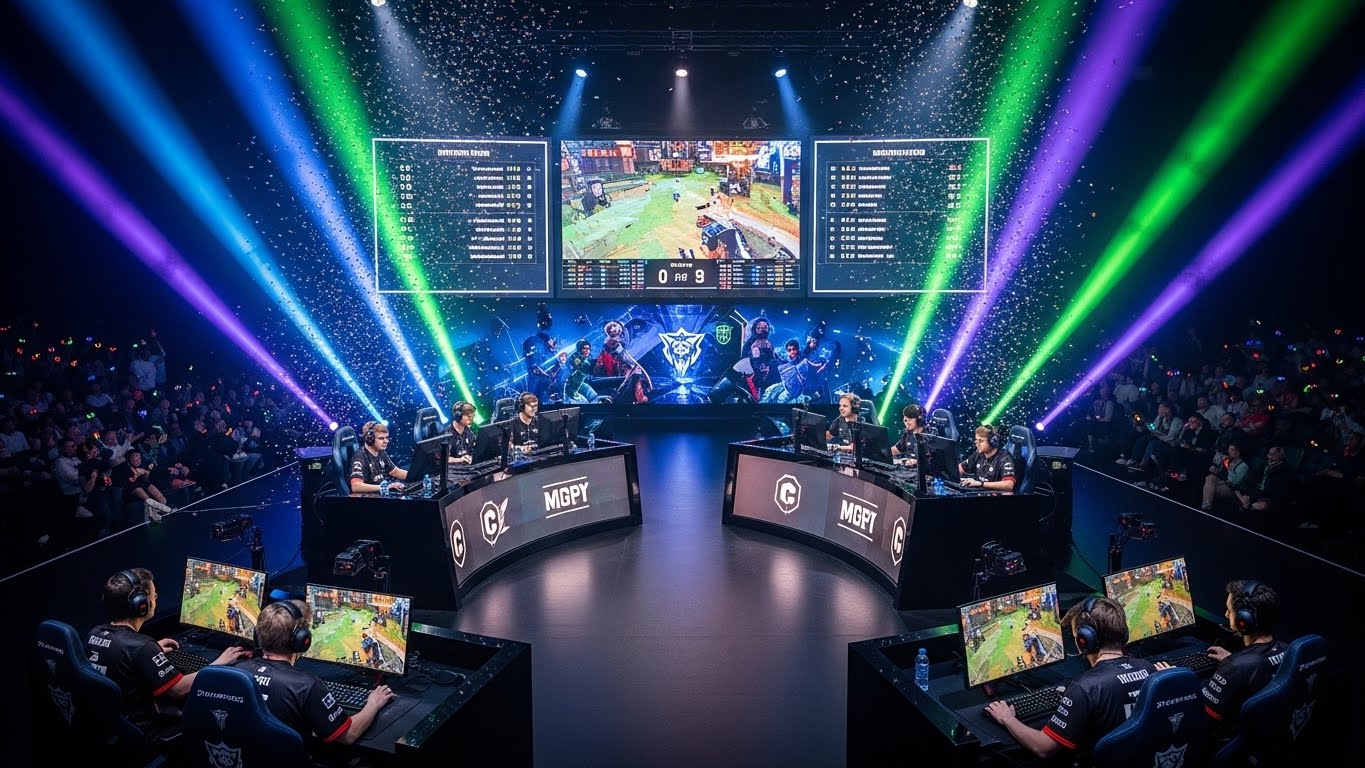
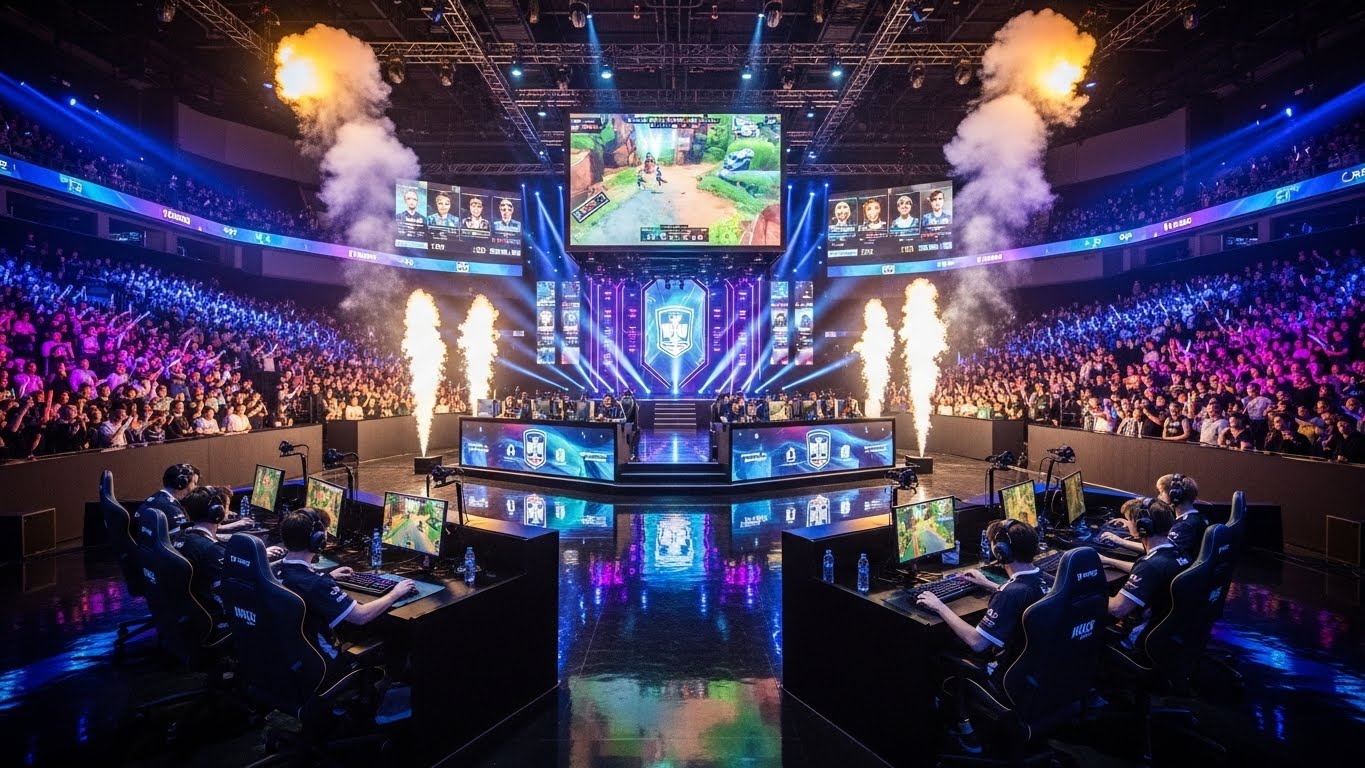
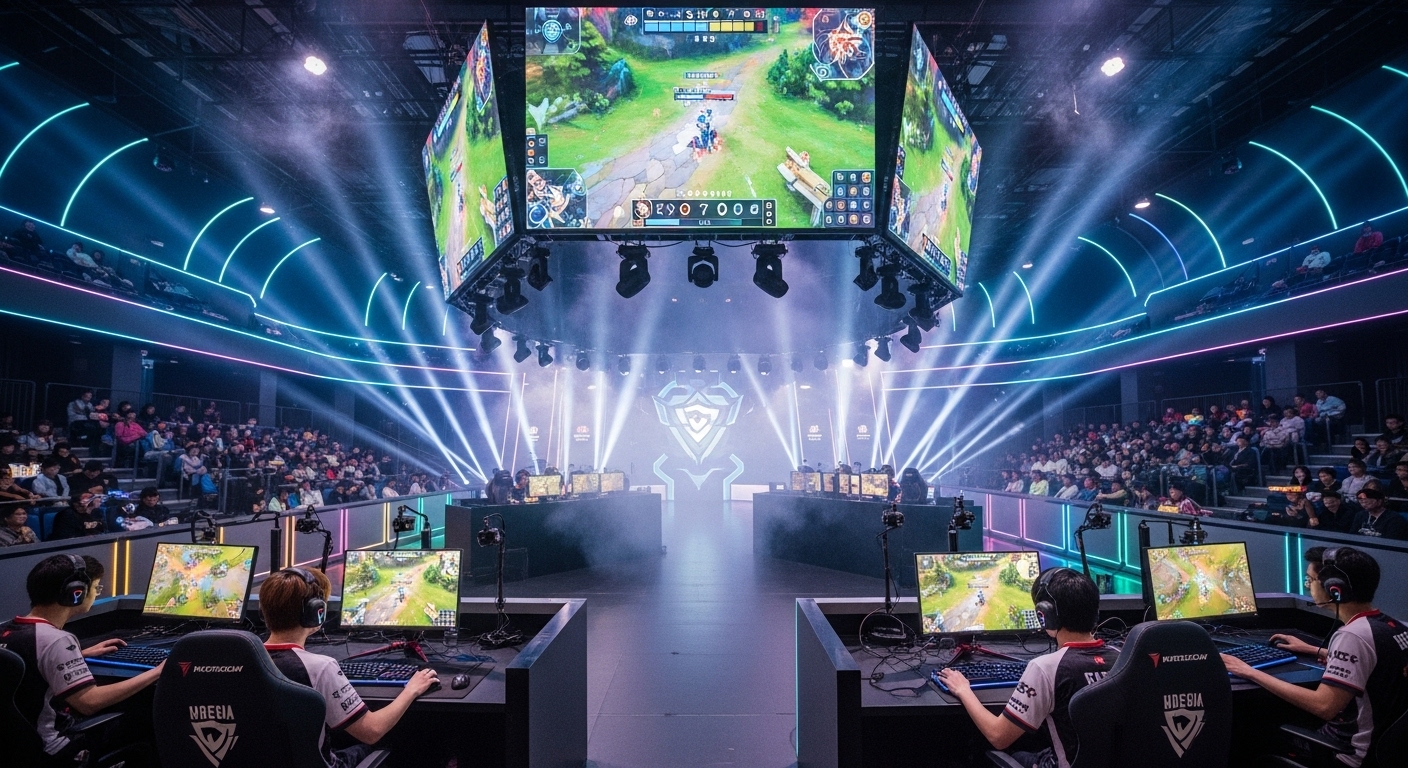
Esports events, such as the League of Legends World Championship, The International (for Dota 2), and Overwatch League finals, draw crowds of tens of thousands of spectators and are held in some of the largest venues globally, including arenas like the Staples Center in Los Angeles and the Mercedes-Benz Arena in Berlin. These events are broadcasted to millions more online, where fans from every corner of the world can watch the action unfold.
The Future of Esports: What’s Next?
Looking ahead, the future of esports seems bright. The industry is poised for continued growth, with more games, larger events, and a growing fanbase. Mobile gaming is expected to play a significant role in this growth, as the accessibility of mobile devices opens up esports to a broader audience. Games like PUBG Mobile and Arena of Valor have already made a major impact in regions like Southeast Asia and India, and as mobile internet access improves, more players will be able to participate in competitive gaming.
Another area of interest is virtual and augmented reality (VR and AR) gaming, which could revolutionize the way esports is played and experienced. As technology advances, we may see the integration of VR and AR into competitive gaming, offering immersive experiences for both players and spectators.
Esports could also see further integration into mainstream entertainment. With the possibility of esports being included in major sporting events like the Olympics, we could see esports evolve into a globally recognized event that brings together traditional and digital sports in new and exciting ways.
Conclusion: A New Era of Digital Sports
Esports has come a long way from its origins as a hobbyist pursuit to becoming a dominant force in the entertainment industry. With its global reach, massive fanbase, and professionalized structure, esports has firmly established itself as a legitimate sport, comparable in scale and impact to traditional forms of entertainment. As the industry continues to grow, the lines between gaming and traditional sports will likely continue to blur, creating a new era of digital sports. Whether you’re a gamer, a fan, or someone new to the scene,