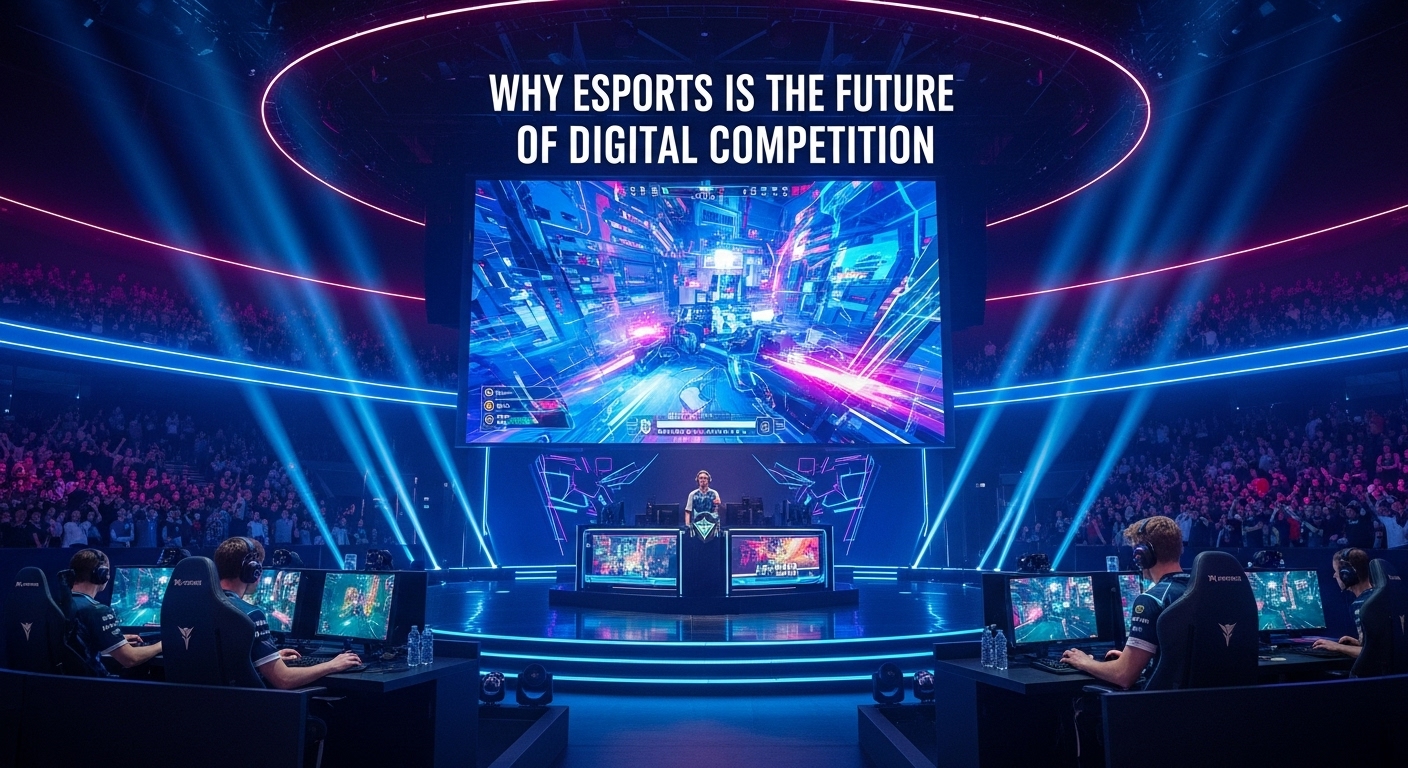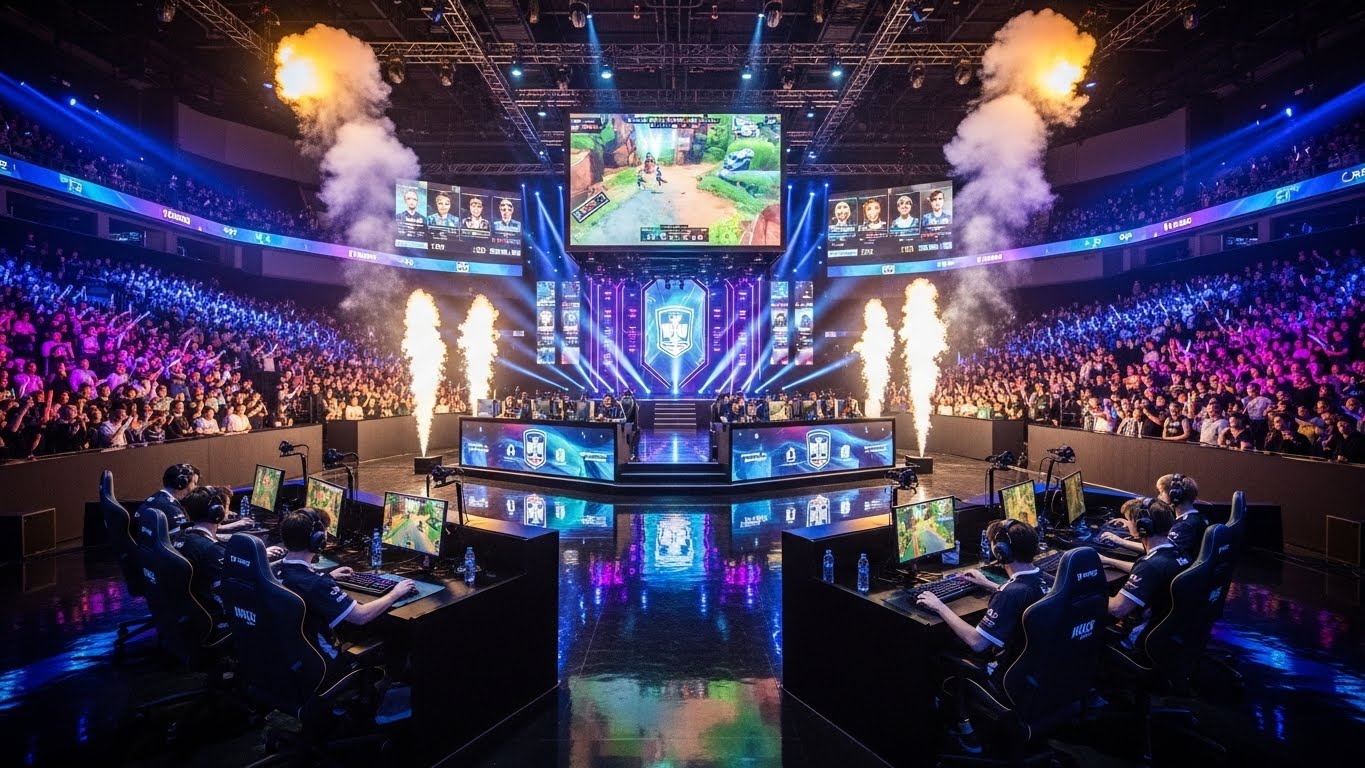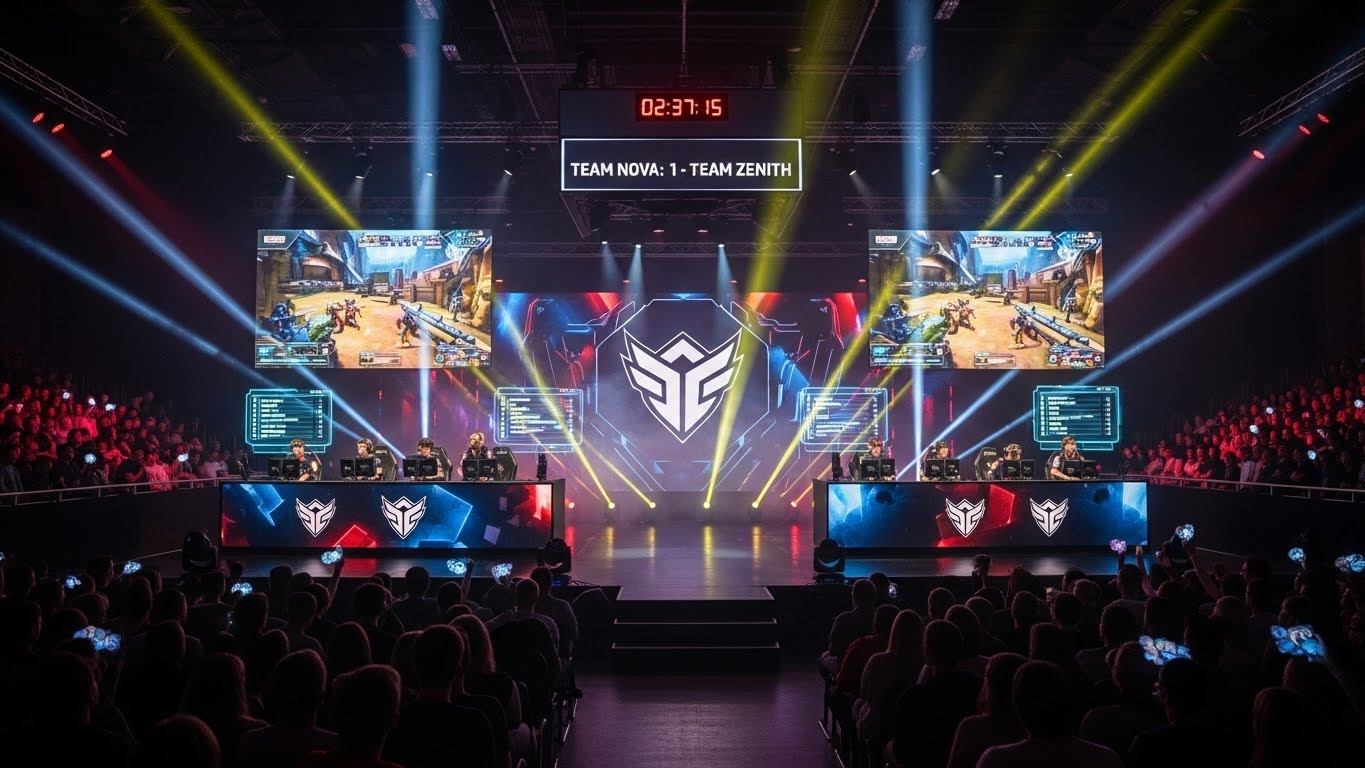
In recent years, esports has emerged as one of the most dynamic and rapidly growing sectors in the entertainment industry. What began as a niche hobby for passionate gamers has evolved into a global phenomenon that rivals traditional sports in viewership, revenue, and cultural influence. From the adrenaline-fueled competitions of multiplayer online battle arenas to the precise strategies of real-time strategy games, esports has become a platform where skill, teamwork, and dedication converge.
Understanding Esports: More Than Just Gaming
Esports, short for electronic sports, refers to competitive gaming at a professional level. Unlike casual gaming, which focuses on entertainment and leisure, esports revolves around structured competitions with organized teams, professional players, sponsors, and prize money. Esports covers a wide range of game genres, including first-person shooters, multiplayer online battle arenas, fighting games, and sports simulations.
At its core, esports is about skill, strategy, and performance under pressure. Just like traditional athletes, professional gamers train rigorously, practice specific techniques, and study opponents to gain a competitive edge. The mental and physical demands of esports are often underestimated. Professional players need fast reflexes, sharp cognitive abilities, excellent teamwork, and the stamina to endure long gaming sessions.
The Evolution of Esports: From Basement Competitions to Global Stage
The history of esports dates back several decades, beginning with small-scale tournaments in arcades and college campuses. Early competitions like the Space Invaders Championship in the 1980s and Street Fighter tournaments in the 1990s laid the foundation for the competitive gaming culture. As internet access expanded, online gaming allowed players from different regions to connect and compete, paving the way for organized leagues and professional tournaments.
The 2000s marked a significant turning point, with the emergence of major esports titles such as StarCraft, Counter-Strike, and League of Legends. These games not only introduced structured competitions but also created dedicated fan bases that supported their favorite teams and players. Over time, esports tournaments began offering substantial prize pools, attracting talented players and capturing the attention of sponsors and media outlets.
Today, esports is a billion-dollar industry with a global audience exceeding hundreds of millions. Major tournaments like The International, the League of Legends World Championship, and the Overwatch League Finals are broadcast to massive audiences worldwide, demonstrating that esports has grown far beyond its humble beginnings.
Popular Esports Genres and Their Appeal
Esports encompasses a wide variety of game genres, each with unique strategies and fan followings. Understanding these genres is key to appreciating the diversity and complexity of competitive gaming.
1. Multiplayer Online Battle Arena (MOBA): MOBA games, such as League of Legends and Dota 2, require players to work in teams to destroy the opponent’s base while defending their own. Success depends on strategy, coordination, and quick decision-making, which makes these games highly engaging for spectators.
2. First-Person Shooter (FPS): FPS games like Counter-Strike: Global Offensive and Call of Duty test players’ accuracy, reflexes, and tactical thinking. The high-paced action and intense confrontations make these games thrilling for both players and viewers.
3. Real-Time Strategy (RTS): RTS games like StarCraft II demand meticulous planning, resource management, and split-second decision-making. These games challenge players to anticipate opponents’ moves and adapt strategies on the fly.
4. Fighting Games: Fighting games such as Street Fighter and Tekken focus on one-on-one combat where players use skill, timing, and combos to outmaneuver their opponents. These games often highlight individual mastery and precision.
5. Sports Simulations: Virtual sports games like FIFA and NBA 2K attract fans of real-world sports who enjoy the digital adaptation of their favorite games. Competitive leagues in this genre replicate the excitement of professional sports.
Esports as a Career Path
One of the most remarkable developments in the esports industry is the emergence of professional gaming as a legitimate career. Professional esports players can earn substantial incomes from tournament winnings, sponsorships, streaming, and team salaries. Top-tier players can earn more than many athletes in traditional sports, although reaching this level requires immense dedication and consistent performance.
In addition to players, esports offers careers in coaching, broadcasting, content creation, game analysis, marketing, and event management. The ecosystem surrounding competitive gaming provides opportunities for a wide range of professionals to contribute to the industry’s growth.
The Role of Streaming and Media in Esports Growth
The growth of esports has been closely tied to the rise of live streaming platforms. Services that allow gamers to broadcast their gameplay to a global audience have transformed esports into an accessible and interactive experience. Platforms like these enable fans to watch tournaments in real-time, engage with players through chat, and follow their favorite personalities.
Streaming has also created opportunities for amateur players to gain recognition and build personal brands. Many successful professional players started as streamers, proving that exposure and fan engagement are critical factors in career development within esports.
Media coverage, documentaries, and esports-focused news channels further amplify the industry’s reach, attracting sponsors and mainstream audiences. Esports is no longer confined to niche gaming communities; it has become a significant cultural phenomenon with widespread recognition.
The Economics of Esports
Esports is a rapidly expanding industry with a complex economic ecosystem. Revenue streams include sponsorships, advertising, ticket sales for live events, merchandise, streaming subscriptions, and prize money. Brands from technology, apparel, energy drinks, and even automotive sectors are investing in esports sponsorships, recognizing the highly engaged and youthful audience it attracts.
Major tournaments can offer prize pools in the millions of dollars, incentivizing players to pursue professional gaming seriously. Beyond individual earnings, teams and organizations generate revenue by signing players, selling merchandise, and monetizing content through online platforms.
The economic impact of esports extends to related sectors as well, including hardware manufacturers, software developers, event organizers, and marketing agencies. This interconnected ecosystem underscores the industry’s growing significance in the global economy.
Challenges Facing the Esports Industry
Despite its impressive growth, esports faces several challenges that could affect its long-term sustainability. One significant concern is the physical and mental well-being of professional players. Long hours of practice, intense competition, and the pressure to perform can lead to burnout, stress, and health issues. Organizations are increasingly investing in wellness programs and support systems to address these concerns.
Another challenge is regulatory oversight. The lack of standardized rules across different regions can create inconsistencies in competition formats, player contracts, and prize distribution. Ensuring fairness and transparency is essential for the credibility of esports.
Additionally, while esports is gaining mainstream acceptance, some skeptics question whether it can achieve the same cultural legitimacy as traditional sports. Overcoming stereotypes and educating the public about the strategic, athletic, and professional aspects of competitive gaming remain ongoing tasks.
Esports and Education: A Growing Connection
Interestingly, esports is beginning to intersect with education in innovative ways. Many universities now offer esports scholarships and programs that combine gaming with academic studies in areas such as game design, computer science, marketing, and media. These initiatives recognize esports as a legitimate skill set that fosters teamwork, strategic thinking, and digital literacy.
High schools and colleges are also forming esports clubs and competitive teams, providing students with opportunities to develop skills that extend beyond gaming. This educational integration contributes to the normalization and acceptance of esports in society.
The Cultural Impact of Esports
Esports is not just a competitive arena; it has also become a cultural phenomenon. It influences fashion, music, digital art, and social media trends. Gamers have emerged as influencers, shaping popular culture and inspiring new forms of entertainment.
The global nature of esports fosters cross-cultural exchange, as players and fans from different countries interact, collaborate, and compete. This international dimension promotes diversity and community-building, making esports a unifying force despite its competitive nature.
The Future of Esports
Looking ahead, esports is poised for continued growth and innovation. Emerging technologies such as virtual reality and augmented reality could redefine gameplay experiences and audience engagement. Artificial intelligence may also play a role in enhancing training, strategy analysis, and fan interaction.
As the industry matures, professionalization and regulation will become increasingly important. Standardized player contracts, health guidelines, and tournament structures will ensure sustainability and legitimacy. Meanwhile, the integration of esports with mainstream media, entertainment, and education will further solidify its place in society.
Conclusion
Esports has transformed from a small, niche pastime into a global phenomenon that rivals traditional sports in viewership, revenue, and cultural influence. With its diverse game genres, professional career opportunities, and strong community engagement, esports has proven itself as a legitimate and dynamic form of competition.
Despite challenges related to player well-being, regulation, and public perception, esports continues to innovate and expand. Its integration into education, mainstream media, and international culture underscores the profound impact competitive gaming has on society. As technology advances and audiences grow, esports is set to remain a major player in the digital entertainment landscape, offering excitement, opportunity, and inspiration for generations of gamers to come.