Introduction: A New Era of Competitive Entertainment
Esports is no longer a fringe pastime enjoyed by a small community of dedicated gamers. Today, it stands as a global cultural and economic force, blending competition, technology, entertainment, and community into something entirely new. Over the last decade, esports has exploded into a worldwide phenomenon with professional players, massive arenas, passionate fanbases, and multimillion-dollar tournaments. What was once considered simple recreational gameplay has evolved into a legitimate profession and a thriving industry.
This blog post explores how esports rose to global prominence, why it resonates so strongly with modern audiences, what drives its rapid growth, and where the industry is heading.
The Evolution of Competitive Gaming
Competitive gaming has existed for decades, but modern esports began taking shape in the early 2000s. The introduction of high-speed internet allowed players to compete across continents, forming the foundation of a global network of gamers. Early tournaments for strategy, shooter, and fighting games created tight-knit communities and began the transformation of gaming from a hobby into a competitive discipline.
As streaming platforms emerged, competitive gaming became accessible to anyone with an internet connection. Suddenly, players didn’t just participate in matches—they performed for online audiences. This shift redefined gaming culture and led to the era of organized, professional esports.
Why Esports Captured the World’s Attention
Esports did not rise by accident. Several key factors contributed to its meteoric growth:
1. Accessibility and Inclusivity
Unlike traditional sports, which often require physical access to facilities or expensive equipment, esports is open to anyone with a gaming device and an internet connection. Players can rise from obscurity to fame solely based on skill, making the industry more meritocratic than many traditional sports.
2. Global Digital Communities
Esports thrives in a world where digital communities have immense influence. Fans discuss strategies, share highlights, and attend virtual events together. This interconnectedness gives esports a reach far beyond local stadiums or geographic borders.
3. Spectator-Friendly Formats
Modern esports titles are designed with vibrant visuals, clear scoring systems, and high-intensity moments that make them exciting to watch. Even viewers without extensive gaming knowledge can appreciate the competitive drama.
4. The Rise of Streaming Culture
Platforms that enable live broadcasting turned gamers into entertainers and celebrities. Streaming created a new ecosystem of fan engagement, where viewers interact with players in real time, unlike traditional sports where athletes seem distant.
The Professional Player: Dedication Behind the Screens
Professional esports athletes are often misunderstood. Many assume they simply play games all day, but pro gamers train with the same discipline as traditional athletes. They practice for hours daily, study strategies, review gameplay footage, and work with coaches to refine their mechanics and teamwork.
Reaction time, mental endurance, decision-making, communication, and adaptability are all crucial components of esports success. Top players follow strict routines involving physical exercise, regulated sleep schedules, nutrition planning, and structured practice sessions.
With the stakes higher than ever—sponsorship deals, championship titles, and large incomes—professional players treat esports as a demanding career, not a casual pastime.
Esports Arenas: The Stadiums of the Digital Age
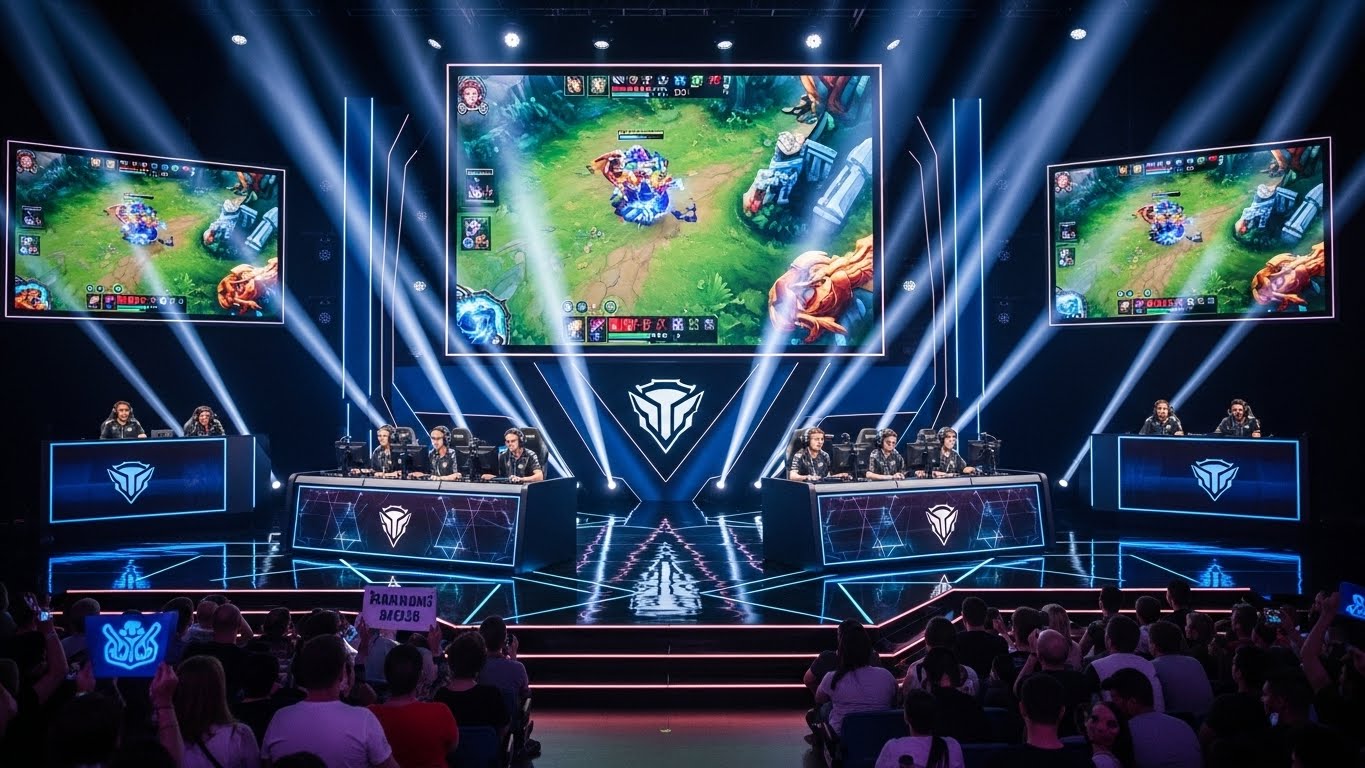
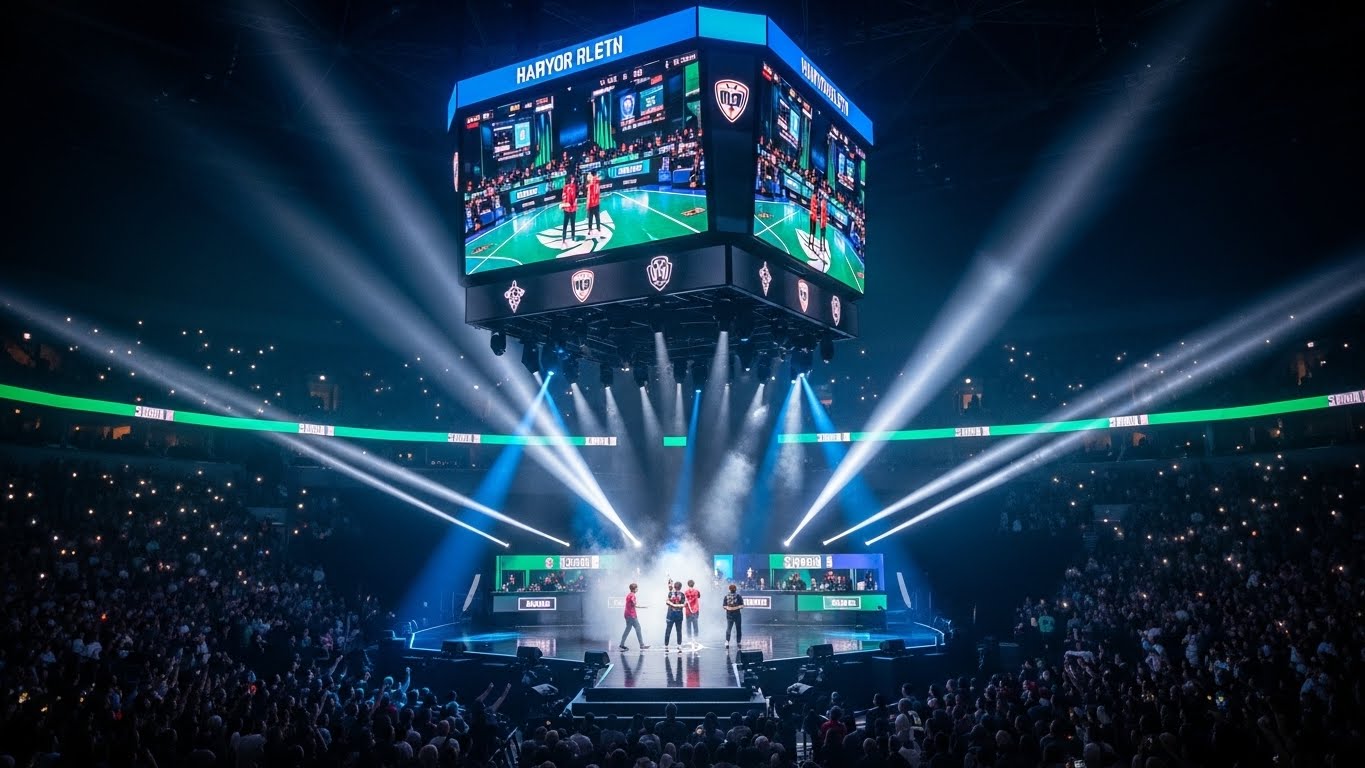
It might be surprising to those unfamiliar with the industry, but esports regularly fills stadiums and arenas around the world. Major tournaments draw thousands of attendees who gather to cheer on their favorite teams as passionately as fans at any traditional sporting event.
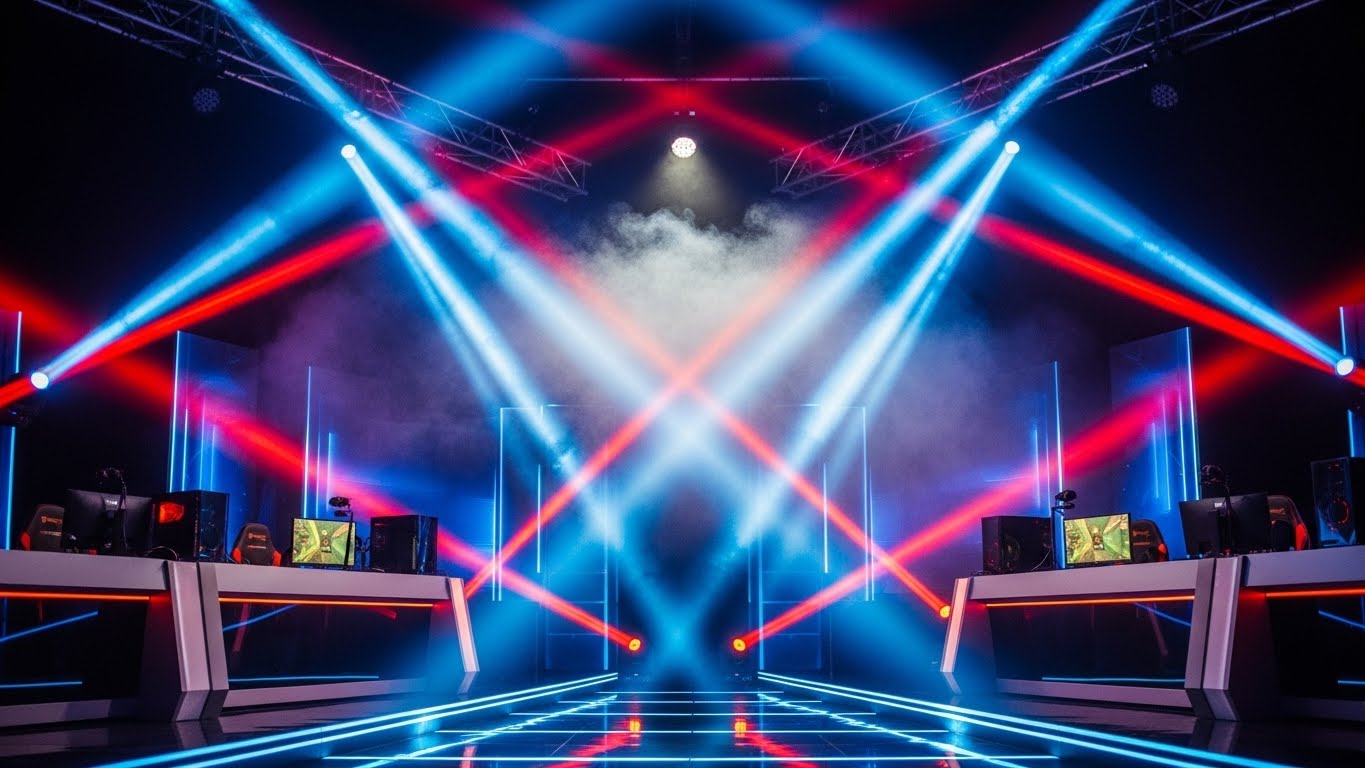
These events are produced with the grandeur of major concerts or sporting finals. Elaborate stages, immersive lighting, themed visuals, and energetic commentary heighten the excitement. The sense of community and spectacle transforms gaming from an isolated activity into a shared cultural event.
The Business of Esports: A Billion-Dollar Industry
Esports is not just entertainment—it is a booming industry supported by investment, sponsorships, merchandise, media rights, and advertising. Prominent brands across technology, apparel, beverages, and automotive industries invest heavily in esports to connect with younger, digitally savvy audiences.
Teams operate like traditional sports organizations with managers, analysts, marketing departments, and training facilities. Tournament organizers, game publishers, broadcasters, and sponsors all contribute to the vast ecosystem. Revenue continues to grow as the industry matures, turning esports into a global economic powerhouse.
The Transformative Role of Video Games in Youth Culture
Today’s youth grow up immersed in gaming culture. For many, video games are not simply entertainment—they are major platforms for social interaction, creative expression, and identity. Esports taps directly into this cultural shift, offering younger generations a space where skill and passion can lead to real opportunities.
Parents are increasingly aware that gaming can teach teamwork, communication, strategic thinking, and perseverance. As perceptions shift, more families are supporting their children’s interest in esports, even encouraging them to pursue careers in related fields such as game design, content creation, or digital entertainment management.
The Global Reach of Esports: A Universal Digital Language
Esports transcends cultural, linguistic, and geographical barriers. A player in Europe can team up with someone in Asia and compete against opponents from North America—all in real time. This global integration is rare among sports and is one of the strongest drivers of esports growth.
International tournaments unite fans from every corner of the world. Shared excitement and camaraderie create bonds that extend far beyond the virtual battlefield. Esports has become a form of universal digital communication, proving that competitive passion knows no borders.
Education and Esports: A Growing Academic Path
Educational institutions have started recognizing the value of esports. Schools, colleges, and universities across various countries now offer esports clubs, varsity teams, scholarships, and even degree programs focused on game development, broadcasting, management, and esports analytics.
This shift underscores the legitimacy of esports as an academic and professional field. Students interested in technology, media, design, or competition can explore a wide range of career opportunities through esports-related programs.
Mental and Physical Well-Being in Esports
The intense nature of esports has brought attention to the importance of mental health and physical well-being. Professional players must manage stress, maintain focus for long periods, and cope with competitive pressure.
Organizations now employ sports psychologists, nutritionists, and physical trainers to ensure players stay healthy. This reflects growing awareness that mental resilience and physical care are crucial for sustained success—just as in traditional sports.
The Future of Esports: What Lies Ahead
Esports shows no signs of slowing down. Several upcoming trends are expected to shape the future:
1. Virtual Reality and Augmented Reality
As VR and AR technologies advance, esports may introduce entirely new competitive formats that blend physical movement with digital gameplay.
2. Enhanced Broadcasting Experiences
Future spectators may enjoy interactive viewing features, multi-angle cameras, player telemetry data, and immersive virtual arenas.
3. Expanded Traditional Sports Integration
More traditional sports organizations are investing in esports teams, creating hybrid models of entertainment that attract diverse audiences.
4. Increased Global Professionalization
League structures, regulatory bodies, and standardized training systems will strengthen the professionalism of the industry.
5. Wider Mainstream Recognition
Esports is already featured in major global events, and its presence in future international competitions could become even more prominent.
Conclusion: A New Cultural Frontier
Esports has reshaped how the world views competition, entertainment, and community. What began as simple gameplay has blossomed into a global industry that connects millions, fosters talent, celebrates creativity, and embraces the digital age. It continues to break boundaries and challenge traditional notions of sport and culture.
As technology evolves and digital communities grow stronger, esports will continue its climb toward becoming one of the most influential forms of entertainment in the modern world. Whether you are a player, a fan, or simply an observer of digital trends, the rise of esports signals a new era where passion, technology, and human connection converge in extraordinary ways.