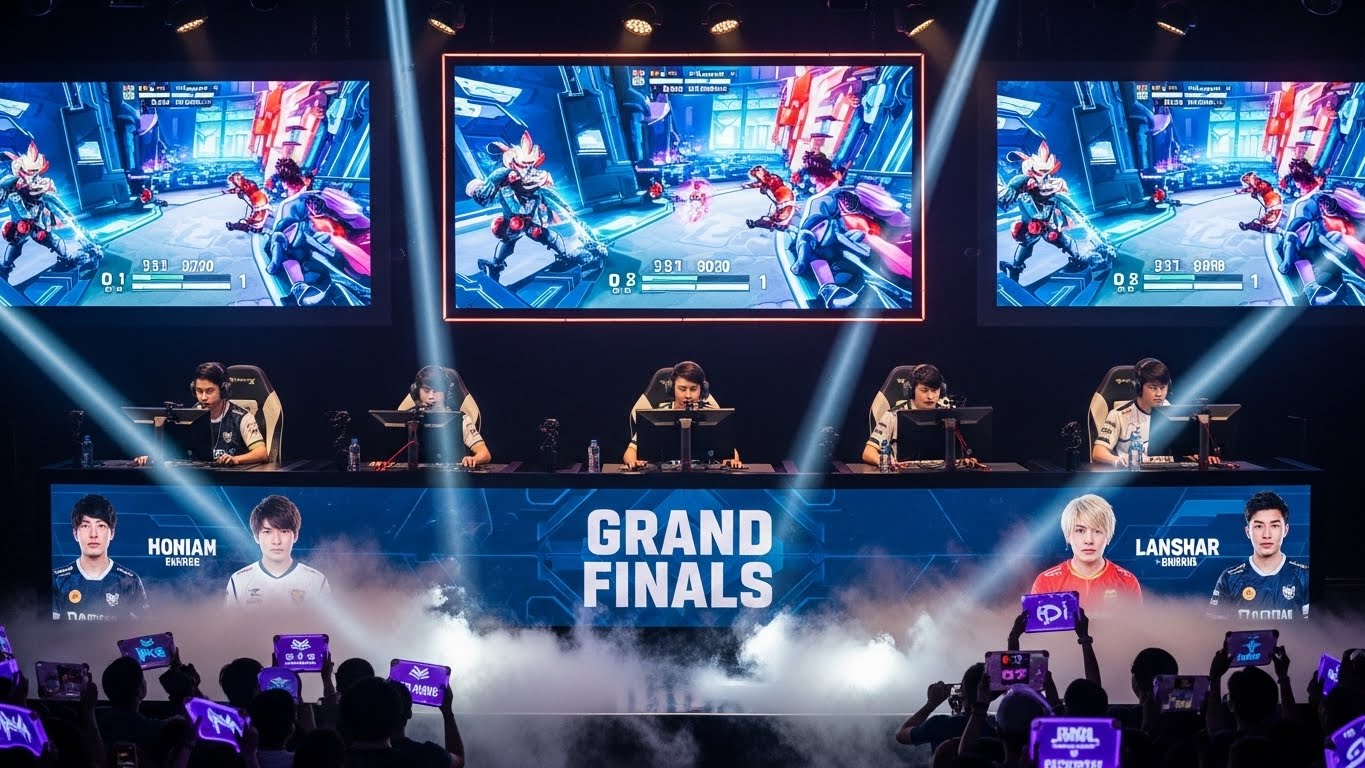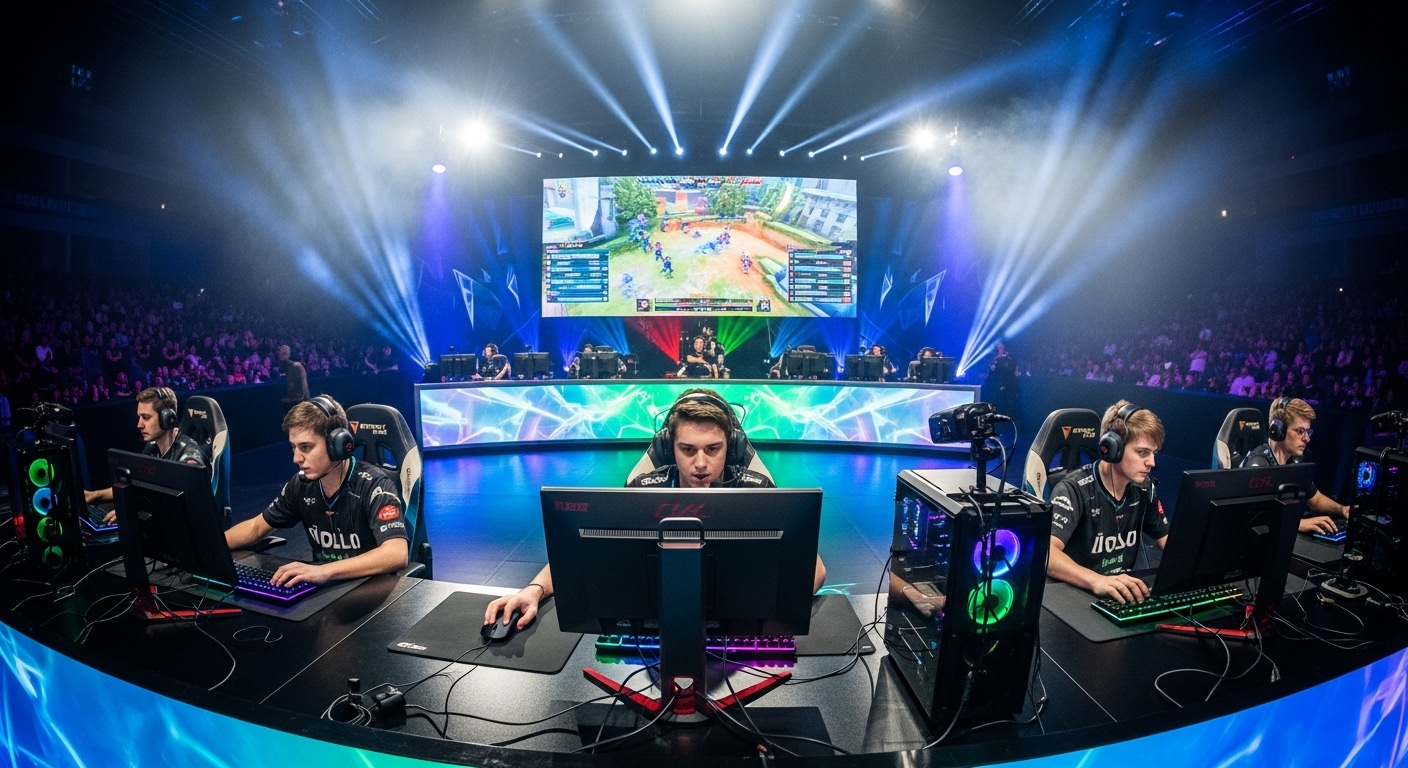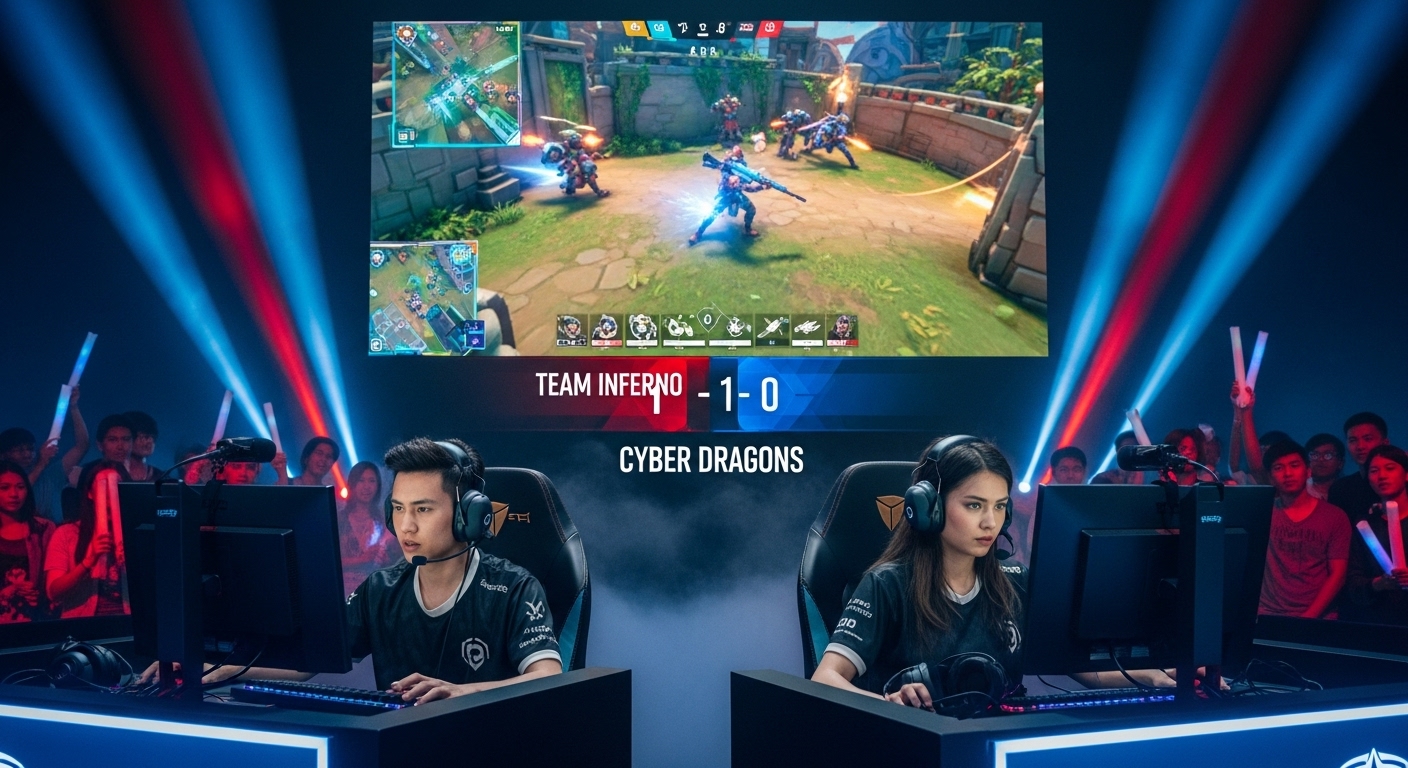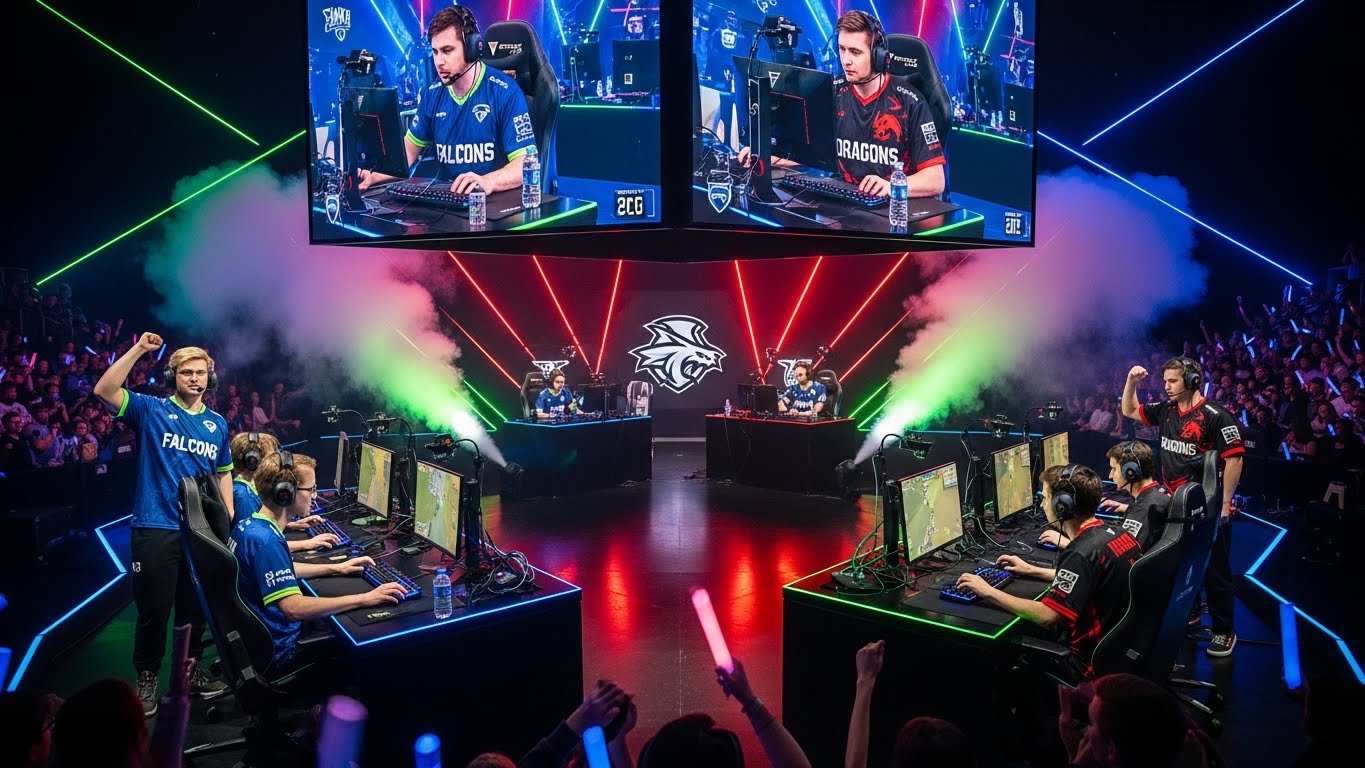
Esports, once considered a niche hobby, has exploded into a global phenomenon, transforming how people compete, watch, and interact with video games. Today, professional esports tournaments attract millions of viewers, with players achieving fame comparable to traditional athletes. Beyond entertainment, esports has reshaped careers, technology, and global culture, making it one of the most influential movements in modern digital entertainment.
What Is Esports?
Esports, short for electronic sports, refers to competitive video gaming where individuals or teams face off in structured competitions. Unlike casual gaming, esports emphasizes precision, strategy, and teamwork. Popular genres include multiplayer online battle arenas, first-person shooters, real-time strategy games, and sports simulations. Professional esports athletes dedicate countless hours to refining their skills, focusing not just on reflexes but also on communication, strategy, and mental endurance.
The Origins of Competitive Gaming
Competitive gaming has roots stretching back to the 1970s and 1980s, when arcade tournaments and early computer games offered players a chance to showcase their skills. Titles like “Space Invaders” and “Pac-Man” hosted local competitions, sparking communities around high-score achievements. The 1990s introduced online multiplayer gaming, with games such as “StarCraft” and “Counter-Strike” pioneering professional leagues. These early tournaments laid the foundation for the global esports industry that exists today.
Factors Behind Esports’ Popularity
Esports’ rapid growth can be attributed to a combination of technology, accessibility, and culture. High-speed internet and powerful gaming devices make competitive play easier than ever. Streaming platforms allow fans to watch live events in real time, interact with players, and join online communities. Social media amplifies excitement, enabling players and fans to share highlights, strategies, and fan content. As a result, esports has developed a dedicated global following that rivals traditional sports in both viewership and cultural influence.
Physical and Cognitive Demands
Esports requires far more than sitting at a screen. Players must possess exceptional hand-eye coordination, reflexes, and precise motor control. Strategic thinking, problem-solving, and adaptability are equally essential, especially in team-based games. Professional players often train for several hours a day, balancing in-game practice with exercises to maintain physical health, cognitive sharpness, and mental resilience. Esports challenges both the body and mind, demanding high-level performance under pressure.
Career Opportunities Beyond Playing
While professional gaming is the most visible aspect of esports, the industry offers diverse career paths. Players can become streamers, commentators, analysts, or coaches, while organizations hire for management, marketing, event planning, and sponsorship coordination. The esports ecosystem also supports content creators, event organizers, and hardware developers. With an industry generating billions of dollars annually, esports careers offer financial stability, personal growth, and global recognition.
The Role of Technology in Esports
Technology is the backbone of modern esports. High-refresh-rate monitors, mechanical keyboards, and specialized mice enhance precision and reaction times. Streaming technology allows millions to watch events live, while performance analytics help players improve strategies and identify weaknesses. Emerging innovations such as virtual reality, augmented reality, and artificial intelligence are expanding esports’ possibilities, making games more immersive and competitive. Technology continues to elevate esports, enhancing both gameplay and fan engagement.
Esports in Education
Esports has begun to play a role in formal education. Many colleges and universities now offer scholarships for esports athletes, recognizing the skill, dedication, and teamwork involved. Academic programs incorporate esports to teach leadership, communication, and time management. Research into game design, psychology, and human-computer interaction also positions esports as an intellectually stimulating field. By integrating competitive gaming into education, institutions provide students with valuable life skills while legitimizing esports as a professional pursuit.
Mental Health and Wellbeing
Despite its benefits, esports presents unique challenges for mental and physical health. Extended gaming sessions can cause eye strain, poor posture, and repetitive stress injuries. Mental pressure, performance expectations, and competitive stress can lead to anxiety and burnout. Recognizing this, professional organizations emphasize balanced routines, including physical exercise, proper nutrition, and mental health support. A holistic approach ensures that players can sustain long-term careers while performing at their peak.
Esports and Global Culture
Esports has grown into a global cultural phenomenon. International tournaments attract diverse audiences, celebrating the talents of players from various countries and backgrounds. Online communities foster discussions, collaborations, and fan engagement. Through esports, cultural boundaries blur, creating a shared passion that unites people worldwide. Fans exchange strategies, celebrate victories, and support players, reflecting the unique ability of esports to cultivate a global community.
Economic Impact of Esports
The economic significance of esports is immense. Sponsorship deals, merchandise sales, ticketed events, and streaming revenue contribute to a thriving industry. Esports organizations, event organizers, and media companies benefit financially, while players earn salaries, prize money, and endorsements. The growing financial ecosystem supports innovation in technology, training, and fan experiences, ensuring that esports remains a sustainable and rapidly evolving industry.
Promoting Inclusivity in Esports
Historically, esports has been male-dominated, but efforts to increase inclusivity are gaining momentum. Female players, commentators, and content creators are breaking barriers and gaining recognition. Esports organizations are developing inclusive tournaments and supportive communities to encourage participation from underrepresented groups. By fostering diversity, esports demonstrates that talent and passion are not limited by gender, nationality, or background, creating opportunities for everyone to thrive.
The Spectator Experience
Watching esports is a unique and engaging experience. Live streams provide real-time commentary, interactive chats, and behind-the-scenes content. Fans follow favorite players, analyze strategies, and participate in predictions or virtual competitions. High-stakes tournaments generate excitement similar to traditional sports events, with dramatic moments, teamwork, and strategy captivating audiences. The spectator experience has become a central component of esports, creating a loyal and interactive fanbase.
Youth Development and Esports
Esports plays a significant role in youth development. Participating in organized gaming leagues teaches valuable skills such as communication, collaboration, and critical thinking. Youth esports programs also instill discipline, strategic planning, and time management. Unlike casual gaming, structured competition encourages goal setting, sportsmanship, and resilience. For young players, esports provides a platform to explore interests, develop confidence, and cultivate lifelong skills in a fun and engaging environment.
Challenges Facing the Industry
Despite its growth, esports faces challenges that must be addressed for long-term success. Issues like cheating, doping, and ethical management require ongoing vigilance. Mental health support and sustainable career pathways are critical as the pressure of professional competition intensifies. Additionally, balancing commercial interests with community engagement ensures that the authenticity and integrity of esports are preserved. Addressing these challenges is vital for the credibility and longevity of the industry.
The Future of Esports
The future of esports is full of exciting possibilities. Emerging technologies like virtual and augmented reality will redefine gameplay and fan interaction. Global expansion will make esports more accessible, while inclusivity initiatives will encourage diverse participation. Partnerships with traditional sports, education, and entertainment sectors will further integrate esports into mainstream culture. As the industry evolves, esports promises to continue shaping digital entertainment, human interaction, and cultural trends.
Conclusion: Esports as a Modern Phenomenon
Esports is more than competitive gaming; it is a cultural, technological, and economic revolution. It combines skill, strategy, community, and entertainment into a dynamic global movement. From professional athletes to casual players, fans to organizations, esports impacts millions worldwide. With its rapid growth and transformative potential, esports stands as a testament to the possibilities of the digital age. It inspires, entertains, and unites people across the globe, proving that the arena of competition has expanded far beyond the physical world into the limitless landscape of digital gaming.