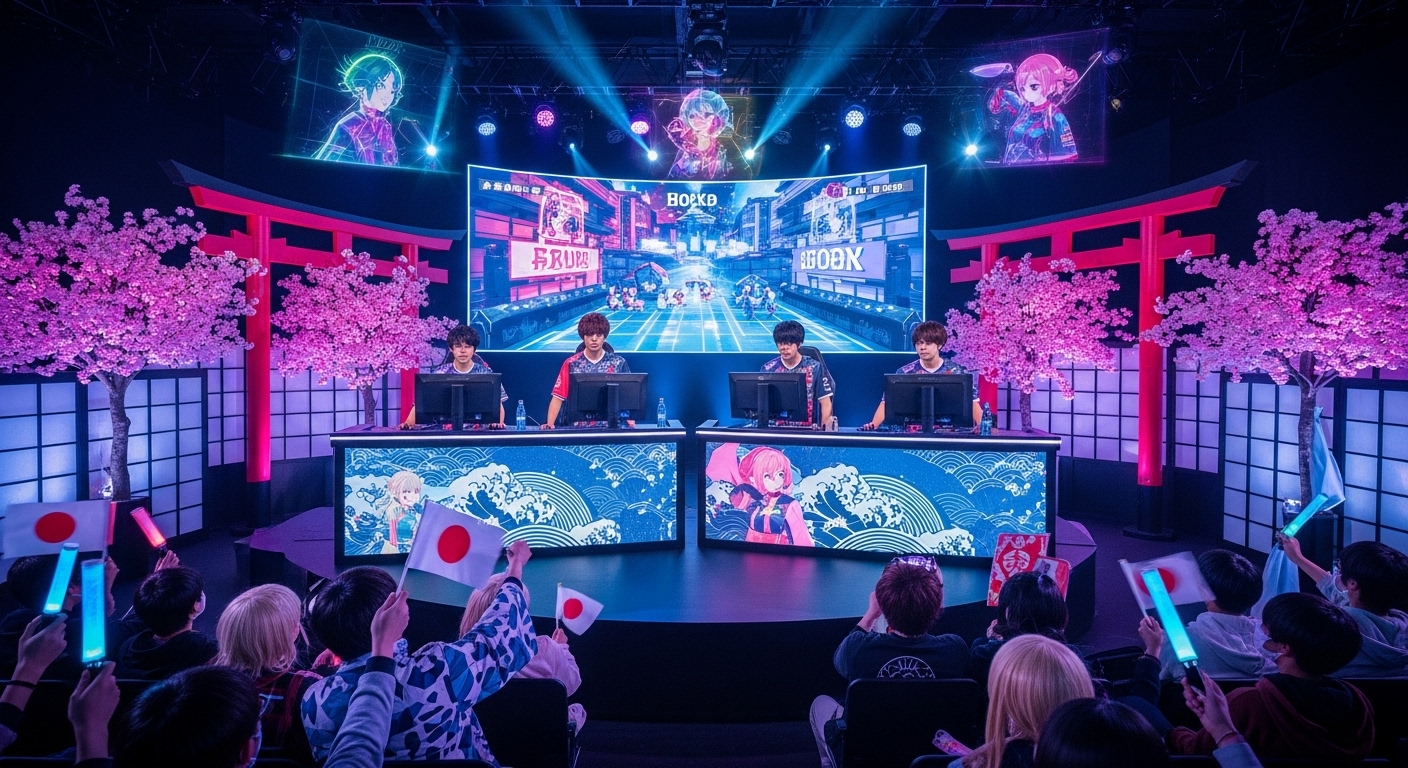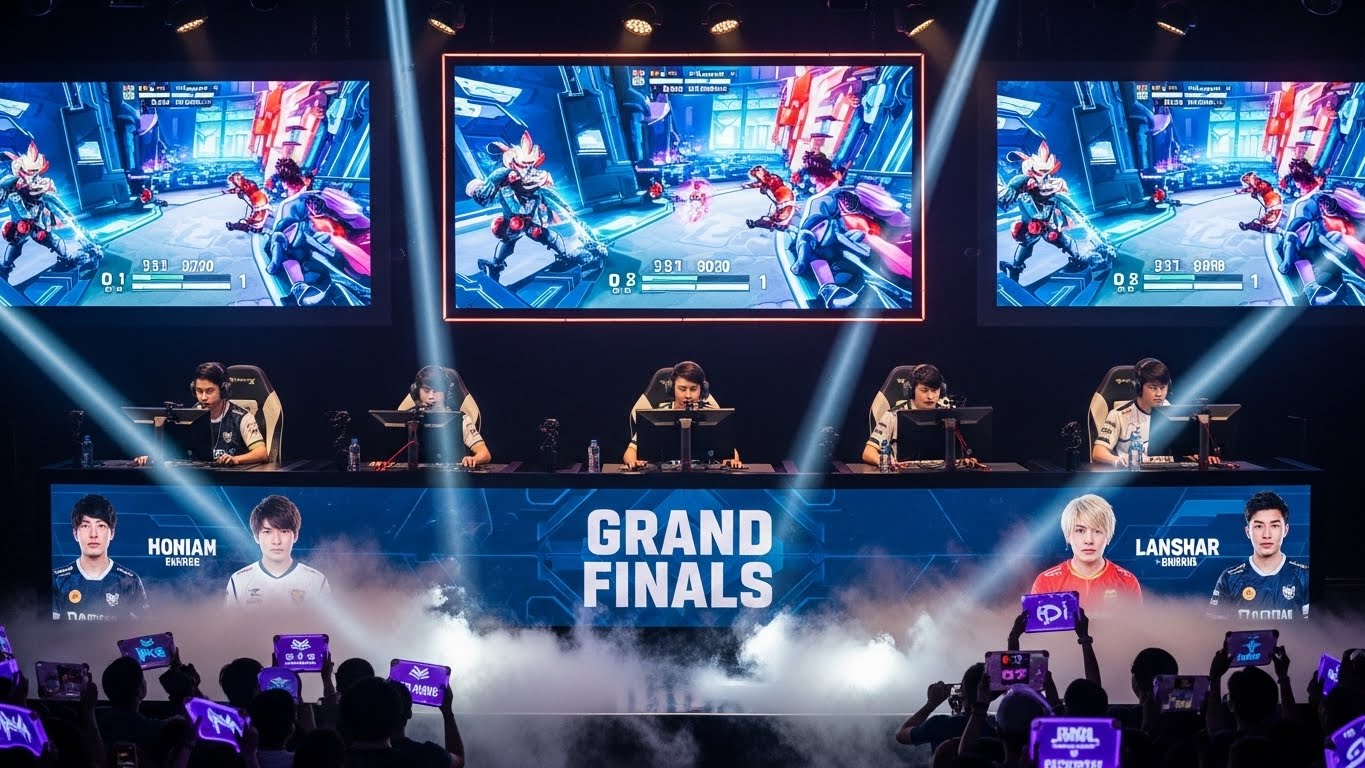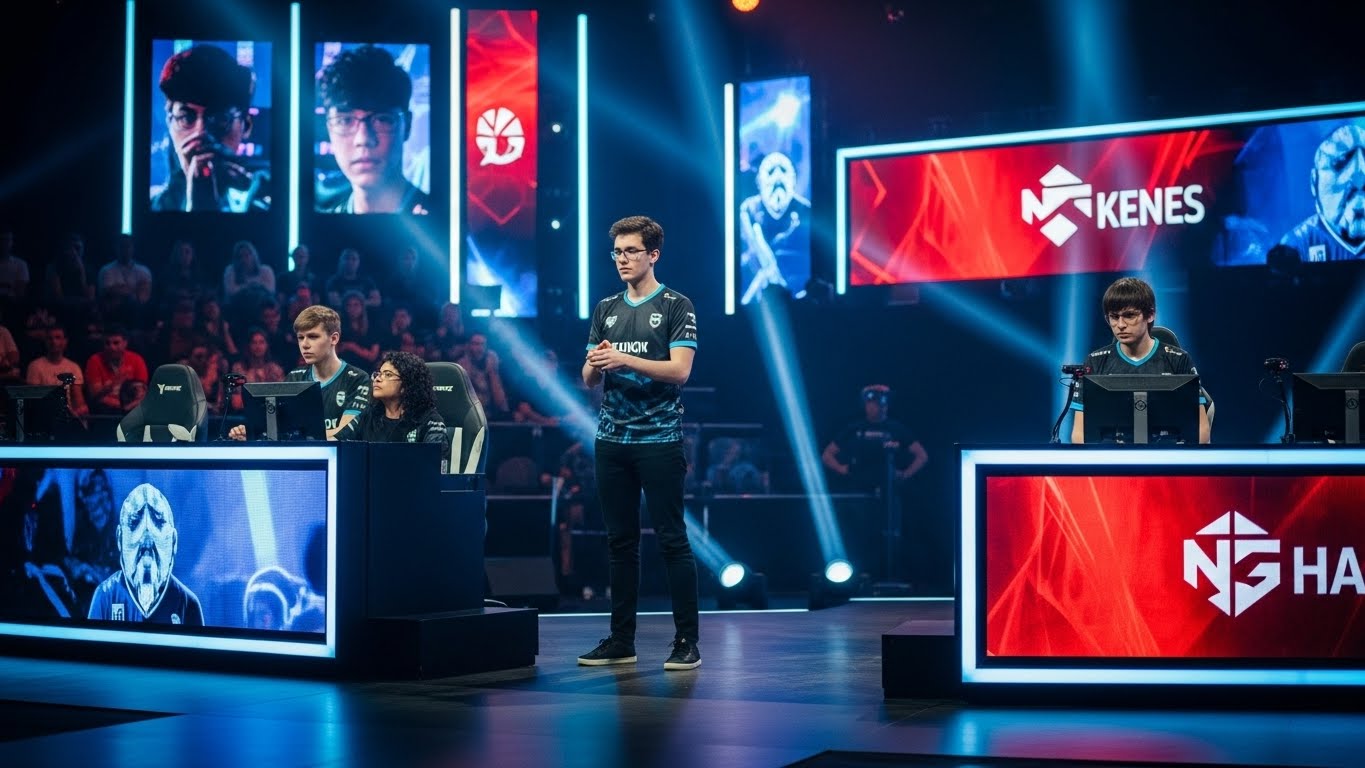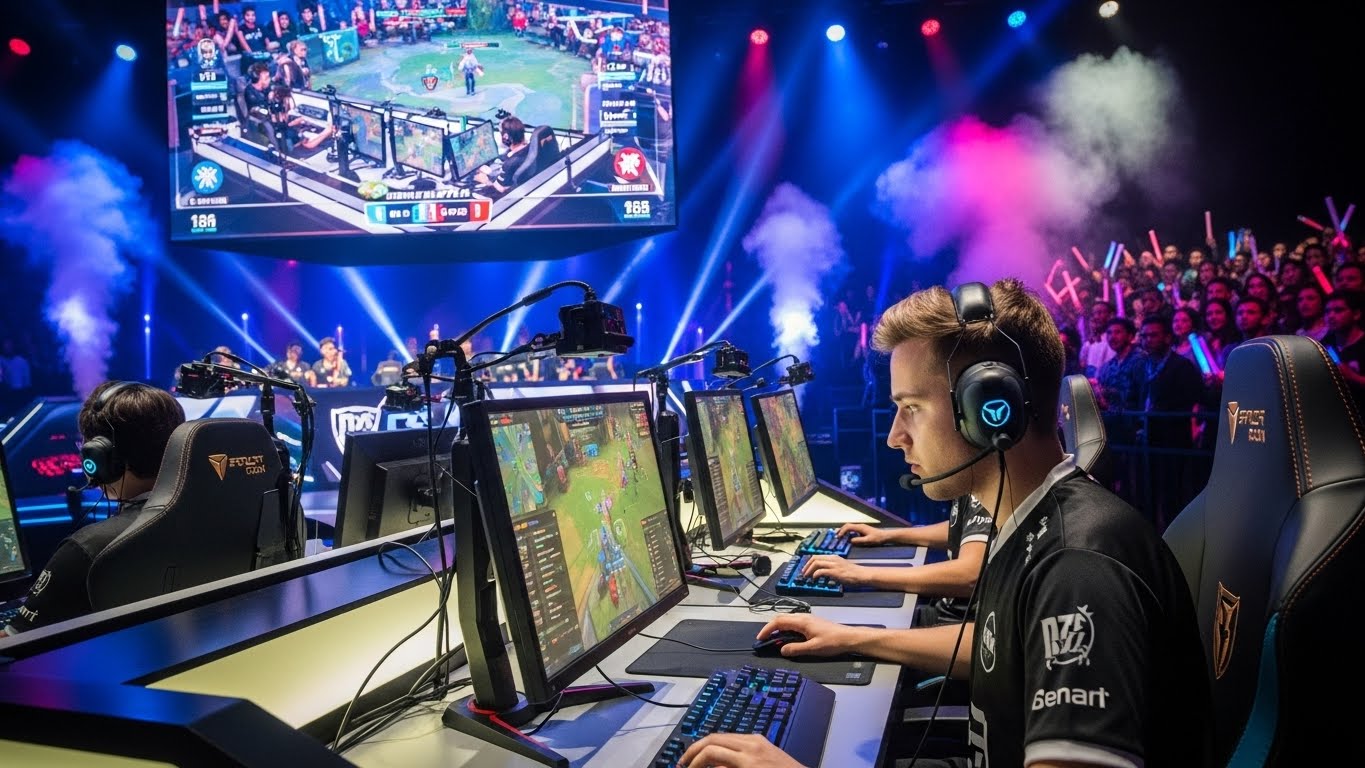
In recent years, the rise of esports has been nothing short of extraordinary. What began as a niche hobby for video game enthusiasts has now transformed into a multi-billion-dollar global industry. Competitive gaming, or esports, is no longer just about playing games for fun. It’s a career, a culture, and an entertainment phenomenon that attracts millions of viewers, players, and sponsors worldwide.
This blog post will explore the evolution of esports, its impact on society, the business behind the industry, and its potential future. From the origins of competitive gaming to its place in mainstream entertainment, esports is reshaping the way we perceive gaming and competition.
The Origins of Esports: From Hobby to Professional Sport
Esports, short for electronic sports, has deep roots in the world of gaming. The idea of competing in video games dates back to the 1970s, when early games like Space Invaders and Pong gave rise to the first arcade tournaments. However, it wasn’t until the 1990s that competitive gaming began to take shape in a more structured way, with the advent of local area network (LAN) parties and tournaments for games like Doom and Quake.
In the late 1990s and early 2000s, the internet allowed gamers to compete with players across the globe. The rise of games like StarCraft, Warcraft, and Counter-Strike created the foundation for modern esports. These games introduced a competitive framework that would eventually evolve into organized leagues and tournaments. However, it wasn’t until the early 2010s that esports began to gain the kind of mainstream attention it enjoys today.
The Impact of Popular Games: League of Legends and Beyond
The arrival of League of Legends (LoL) in 2009 marked a turning point for competitive gaming. Riot Games’ creation quickly gained popularity, becoming a staple in the world of esports. LoL’s combination of accessible gameplay, strategic depth, and a free-to-play model allowed it to attract a wide audience, while its competitive scene flourished through regular tournaments, culminating in the League of Legends World Championship.
The World Championship event became a milestone for esports, attracting millions of viewers each year, with the 2018 finals even surpassing the viewership of the NBA Finals. This event helped solidify esports as a major form of entertainment, comparable to traditional sports in terms of fan engagement and media coverage.
But League of Legends was not the only game driving the esports revolution. Other games like Dota 2, Counter-Strike: Global Offensive (CS:GO), Overwatch, and Fortnite have also contributed significantly to the growth of esports. Dota 2’s annual tournament, The International, is another prime example of the staggering prize pools and viewership that esports can achieve. The 2018 edition of The International had a prize pool exceeding $25 million, making it one of the largest prize pools in the history of competitive gaming.
Esports Streaming: Changing the Landscape of Entertainment
One of the key factors in esports’ rapid rise has been the proliferation of live streaming platforms. Platforms like Twitch, YouTube Gaming, and Facebook Gaming have allowed players to stream their gameplay and interact with fans in real time. Twitch, in particular, has been at the forefront of the esports streaming revolution, providing a dedicated space for gamers and fans to come together.
Twitch’s success lies in its interactive nature, where fans can watch live competitions, follow their favorite players, and even donate to streamers directly. Esports tournaments, once confined to physical venues, are now accessible to anyone with an internet connection. Whether it’s watching the League of Legends World Championship or a Fortnite event, millions of viewers can tune in and experience the excitement of esports from the comfort of their homes.
The streaming boom has also created new opportunities for content creators. Professional players and influencers who initially gained fame by competing in tournaments have now expanded their careers into full-fledged media empires. Some, like Ninja and Shroud, have leveraged their gaming skills into lucrative sponsorships, merchandise deals, and mainstream media appearances.
The Business of Esports: Sponsorships, Teams, and Investments
As esports has grown, so too has the business surrounding it. In the early days, tournaments and prize money were relatively modest. But as the industry expanded, corporate sponsors began to take notice. Companies from a wide range of industries — from energy drinks to automobile manufacturers — have begun investing heavily in esports. Brands like Red Bull, Coca-Cola, and Intel have all become key players in the esports ecosystem, sponsoring tournaments, teams, and events.
Esports sponsorships can be extremely lucrative, with large companies paying millions of dollars to have their brands associated with top-tier events or popular streamers. For example, the League of Legends World Championship has attracted sponsorships from companies like Louis Vuitton, who created exclusive skins and merchandise for the event. These sponsorships have not only helped esports organizations grow but also provided significant revenue streams for game developers and broadcasters.
Esports teams have also evolved from grassroots organizations to large-scale businesses. Teams like Cloud9, Team Liquid, FaZe Clan, and G2 Esports are no longer just groups of talented players; they are global brands with sponsorships, content creators, and merchandise lines. These organizations have created ecosystems that include not only players but also coaches, analysts, and team management personnel.
Investors have also been keen to enter the esports market, with venture capitalists and even traditional sports franchises investing in esports teams and leagues. The Philadelphia 76ers, for instance, have owned an esports team since 2016, and other NBA teams, like the Dallas Mavericks, have also gotten involved in the esports scene. These partnerships between traditional sports and esports organizations are creating a new wave of cross-industry collaboration.
Esports as a Social Platform: Connecting Communities Worldwide
At its core, esports is about more than just competition; it’s about community. Esports has created a global network of gamers who interact, share experiences, and build lasting friendships. Online multiplayer games allow players from different parts of the world to connect, and competitive esports leagues provide them with the opportunity to showcase their skills on a larger stage.
Fans of esports also engage with the games and players in meaningful ways. Esports tournaments provide a sense of shared experience, whether they are watching the event live, interacting on social media, or cheering for their favorite teams. The communal nature of esports is evident in the way fans unite behind their favorite players, creating a sense of belonging and identity.
This social aspect is particularly prominent in esports’ younger audience. The average age of an esports viewer is between 18 and 34, with the vast majority of fans being male. These fans are highly engaged and have a strong sense of loyalty to the games, teams, and players they support. Esports, then, is not just a spectator sport; it is a shared experience that unites people across the globe.
The Future of Esports: What Lies Ahead?
As esports continues to grow, the future of competitive gaming looks bright. One of the most exciting developments in the industry is the rise of mobile esports. In regions like Southeast Asia and India, mobile gaming is more accessible than traditional PC or console gaming. Games like PUBG Mobile and Free Fire have become major titles in the mobile esports space, with large-scale tournaments and massive player bases. Mobile esports will likely continue to expand as smartphones become even more powerful and the global gaming audience grows.
Another key area of development is the integration of virtual and augmented reality (VR/AR) into esports. While VR and AR are still in their infancy, the potential for these technologies in esports is enormous. VR gaming offers players an immersive experience, and VR esports could offer a new level of excitement and interaction for both competitors and viewers. Augmented reality could also enhance the viewing experience, allowing fans to see real-time data, player stats, and other interactive elements during live broadcasts.
Esports is also likely to become more integrated into traditional sports. Just as many traditional sports leagues have embraced digital technology, esports may become an integral part of mainstream sports culture. In the future, it’s conceivable that esports events could be held in stadiums alongside traditional sports events, with both audiences attending in person or watching remotely.
Esports as a Career Path: Opportunities Beyond the Player
One of the most exciting aspects of esports’ growth is the increasing range of career opportunities it offers. While professional players are the most visible members of the esports ecosystem, there are many other roles that contribute to the industry’s success. Esports has created demand for coaches, analysts, event organizers, content creators, marketers, and developers, among others.
Many universities and colleges now offer scholarships and degree programs focused on esports, preparing the next generation of talent to work in the industry. From game design to sports management, the esports industry offers a wealth of career opportunities for those passionate about gaming.
Conclusion: Esports as the Future of Entertainment
Esports is no longer just a passing trend; it’s a cultural and economic force reshaping the world of entertainment. With millions of fans, billions in revenue, and growing opportunities for players and professionals, esports is quickly becoming a global powerhouse. Whether you’re an avid gamer, a dedicated fan, or someone interested in the business side of things, the world of esports has something for everyone. As the industry continues to evolve, one thing is certain: esports is here to stay.