Introduction
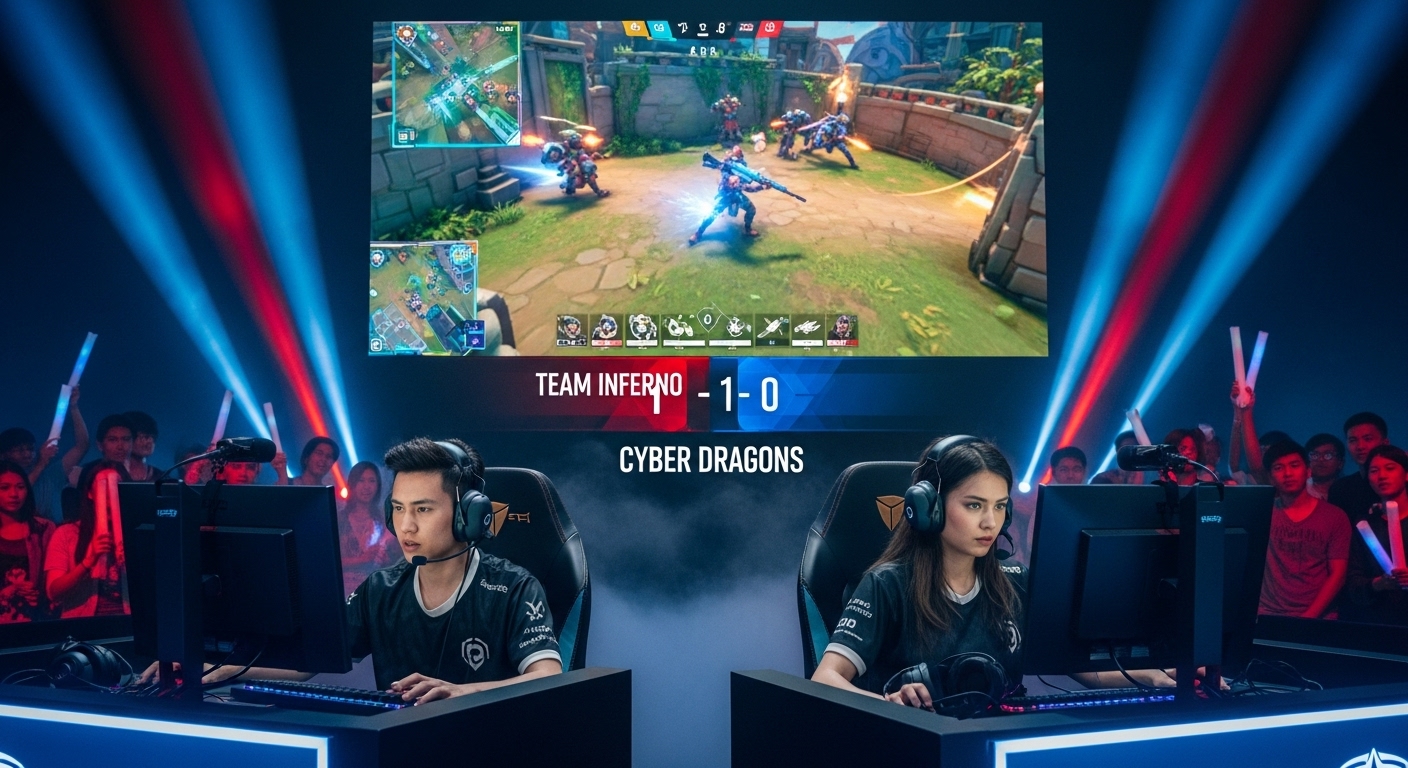
In recent years, esports has surged in popularity, transitioning from a niche subculture to a global entertainment powerhouse. What was once seen as a hobby for hardcore gamers has now become a multi-billion-dollar industry, attracting millions of fans, professional players, and sponsors. Esports represents a new era of competition, where digital athletes engage in intense, strategic battles across a variety of video games, captivating audiences worldwide. This transformation has brought forth numerous opportunities and challenges, shaping the way we think about entertainment, sport, and community. In this blog post, we’ll explore the meteoric rise of esports, its cultural and economic impact, and the exciting future that lies ahead for the world of competitive gaming.
The Birth of Esports: Early Tournaments and the Digital Revolution
Esports has its roots in the early days of gaming, when players gathered around arcade machines or connected via local networks to engage in head-to-head competition. While gaming competitions have existed for decades, the concept of esports as we know it today began to take shape in the 1990s. During this time, multiplayer games like Quake, StarCraft, and Warcraft introduced the idea of organized digital competition. These early tournaments were small, local affairs, but they set the stage for a more structured, global esports scene.
The first significant milestone came with the launch of events like the World Cyber Games in 2000, which was one of the first international tournaments to showcase esports on a global scale. As internet connectivity improved, online gaming platforms became a critical part of the ecosystem, allowing players from all over the world to compete in real-time. Titles like Counter-Strike, League of Legends, and Dota 2 would later go on to define the landscape of competitive gaming, with each of these games establishing its own unique community of players and fans.
The Evolution of Professional Esports: From Hobby to Career
One of the most significant changes in the world of esports has been the rise of professional players and teams. What started as a hobby for many gamers has now become a legitimate career path for top players. Today, esports athletes train like traditional athletes, developing specific skills, strategies, and teamwork tactics to compete at the highest level. Professional esports players spend hours every day honing their craft, working closely with coaches and analysts to improve their in-game performance.
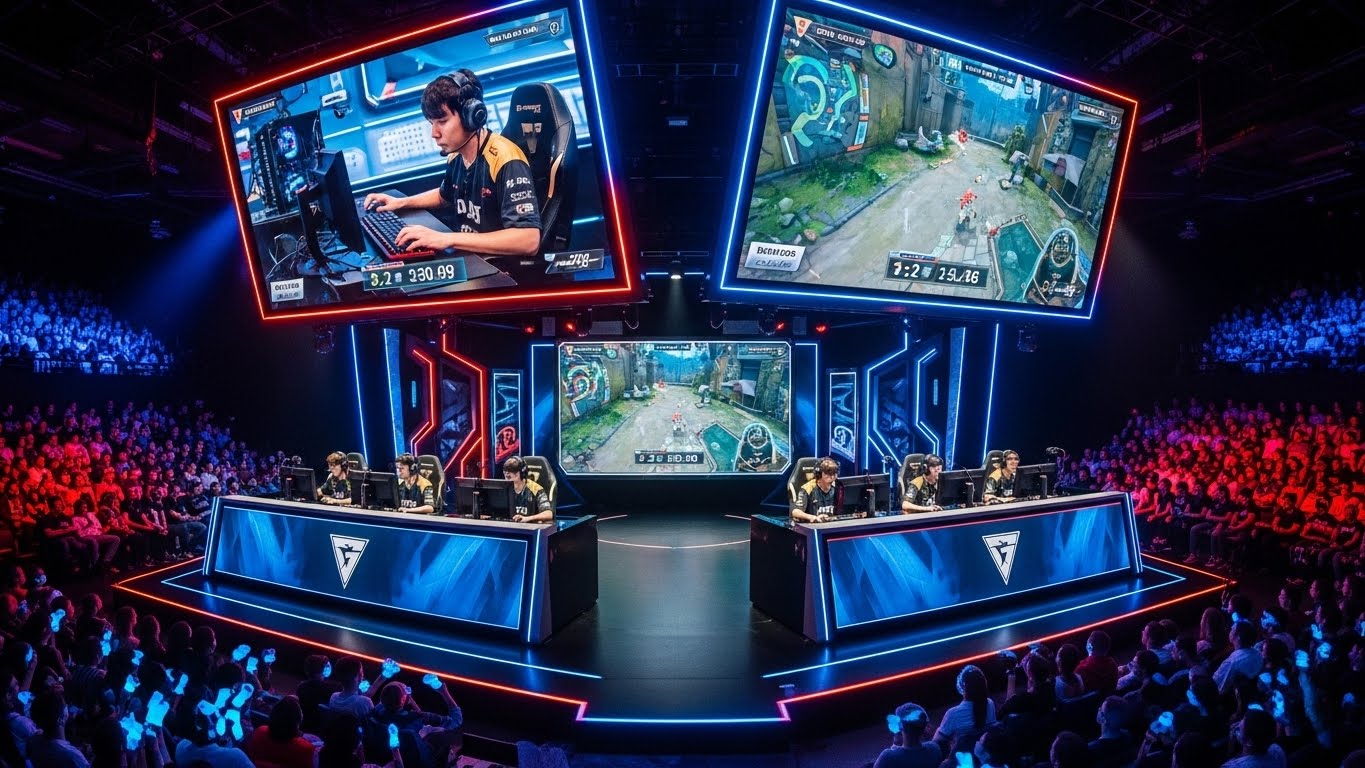
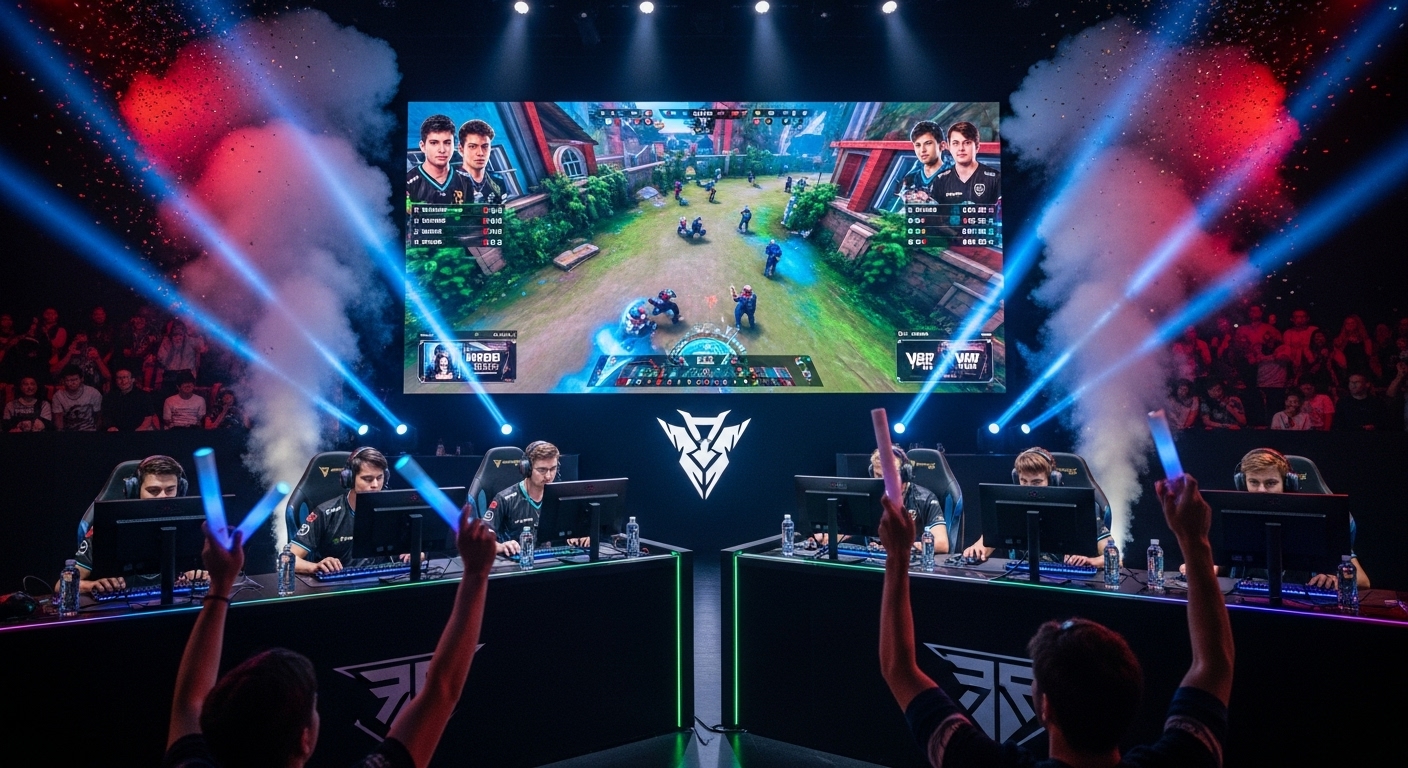
The structure of competitive gaming has also evolved. Esports now boasts numerous professional leagues and tournaments, including the Overwatch League, the League of Legends World Championship, and The International (for Dota 2). These events are held in large arenas with thousands of fans in attendance, while millions more watch the action unfold online via live streaming platforms like Twitch and YouTube. As esports continues to grow, the financial rewards for players have skyrocketed, with some top competitors earning salaries that rival those of traditional sports stars.
Sponsorship deals, merchandise sales, and media rights have helped fuel the industry’s expansion, with global brands like Coca-Cola, Intel, and Mercedes-Benz investing heavily in esports. The business model of esports is remarkably similar to traditional sports leagues, with franchise-based systems, extensive media coverage, and lucrative endorsement opportunities for top-tier players and organizations.
The Global Reach of Esports: A Worldwide Phenomenon
One of the defining characteristics of esports is its global nature. Unlike traditional sports, which are often confined by geographic boundaries, esports has a truly international audience. Thanks to the internet, players and fans from every corner of the globe can participate in competitive gaming, regardless of location. In fact, esports events often attract massive viewership numbers from multiple countries, with live broadcasts available in several languages to accommodate the global fanbase.
This global reach has not only fueled the growth of esports but has also given rise to unique regional communities. While League of Legends is a game beloved worldwide, its competitive scene varies greatly depending on the region. In South Korea, League of Legends has become a national pastime, with teams like SK Telecom T1 dominating the scene for years. Meanwhile, in North America and Europe, esports tournaments draw large crowds and enthusiastic fans, each region bringing its own flavor to the competition.
The ability to connect players and fans from around the world has fostered a sense of community that transcends borders. Fans of the same game or team often form close-knit online communities, participating in forums, social media discussions, and fan events. The interactive nature of online gaming has made esports a social experience, with viewers engaging in real-time discussions during live streams and tournaments.
Esports Broadcasts: From Streaming to Spectacle
The rise of live streaming platforms like Twitch and YouTube Gaming has revolutionized the way esports is consumed. These platforms have made it possible for fans to watch their favorite players and teams in action, while also offering a level of interactivity that traditional sports broadcasts cannot match. Fans can interact with streamers in real-time via chat, donate money to support their favorite players, and participate in live discussions during key moments of a match.
The production value of esports broadcasts has also evolved, with large-scale tournaments now featuring professional commentators, analysts, and host segments. These broadcasts are designed to be as engaging and entertaining as possible, with expert commentary that explains complex gameplay mechanics and strategic decisions to viewers. Just like traditional sports, esports events now feature highlights, post-match analysis, and player interviews, all contributing to the excitement and drama of the competition.
In fact, some esports tournaments have reached such a level of production quality that they rival the broadcasting of traditional sports. The League of Legends World Championship, for example, is an annual event watched by millions of fans worldwide, with elaborate stage designs, live performances, and a truly global audience. As the esports industry continues to mature, the standard of broadcasting will only improve, creating an even more immersive experience for fans.
Esports Communities and Cultural Impact
Esports isn’t just about the competition—it’s about the community. The esports ecosystem is built on a foundation of passionate fans who connect with one another through shared experiences, interests, and fandoms. From watching tournaments to supporting their favorite teams and players, esports fans are incredibly engaged, often forming deep emotional connections with the games they follow.
The culture of esports is unique in that it blends the love of gaming with social interaction. Many esports fans are also active participants in the broader gaming community, engaging in discussions on Reddit, Discord, and other platforms. For some, esports is as much about the people and the relationships as it is about the games themselves.
Moreover, esports has had a profound impact on the gaming industry and pop culture at large. As more people tune in to watch competitive gaming, esports has helped legitimize gaming as a form of entertainment on par with traditional sports. Major esports tournaments are now regularly covered by mainstream media outlets, and some professional players have become celebrities in their own right. The success of esports has also influenced other industries, including fashion, music, and tech, as gaming culture continues to shape global trends.
The Economic Power of Esports
Esports has become a multi-billion-dollar industry with immense economic potential. According to recent reports, the global esports market is expected to surpass $1.5 billion in revenue in the coming years, driven by sponsorships, advertising, media rights, ticket sales, and merchandising.
Esports has created a new business model that blends traditional advertising and sponsorship with modern digital marketing. Major brands are keen to associate themselves with the esports community, as the audience is largely composed of tech-savvy, younger consumers who are difficult to reach through conventional advertising channels. The ability to sponsor teams, tournaments, and players has proven to be a highly effective way to engage this audience, resulting in high returns on investment for many companies.
The rise of esports has also generated numerous career opportunities, from event production and broadcasting to game development and marketing. The demand for esports content, both live and on-demand, has created jobs for countless individuals working behind the scenes. Esports teams, organizations, and media companies have become major employers, helping to support a growing industry that shows no signs of slowing down.
The Future of Esports: Innovation and Challenges Ahead
As esports continues to grow, the potential for innovation is immense. Technological advancements in virtual reality, artificial intelligence, and cloud gaming could revolutionize the way we experience esports, creating even more immersive and interactive environments for players and fans alike. The advent of 5G technology will likely reduce latency and improve online gaming experiences, allowing for smoother and more competitive gameplay.
However, with growth comes challenges. The sustainability of the esports industry remains a key concern, as the demand for bigger tournaments, higher production values, and larger prize pools puts pressure on organizations to keep up. The issue of player well-being and mental health is also an important conversation, as the intense nature of competitive gaming can take a toll on athletes who often play for hours a day. Furthermore, the esports industry must continue to work towards greater diversity and inclusion, ensuring that players from all backgrounds have equal opportunities to succeed.
Despite these challenges, the future of esports is undoubtedly bright. As new technologies emerge and the audience continues to expand, esports will continue to reshape the world of competition and entertainment.
Conclusion
Esports has come a long way from its humble beginnings as a small community-driven activity to becoming a global phenomenon. With professional leagues, massive tournaments, and a passionate fanbase, esports has proven that competitive gaming is here to stay. Its cultural, economic, and technological impact is undeniable, and as the industry continues to evolve, it will undoubtedly continue to push the boundaries of what we consider possible in both gaming and entertainment. The rise of esports is just the beginning of a new era in digital competition, and the future looks incredibly exciting for both players and fans alike.