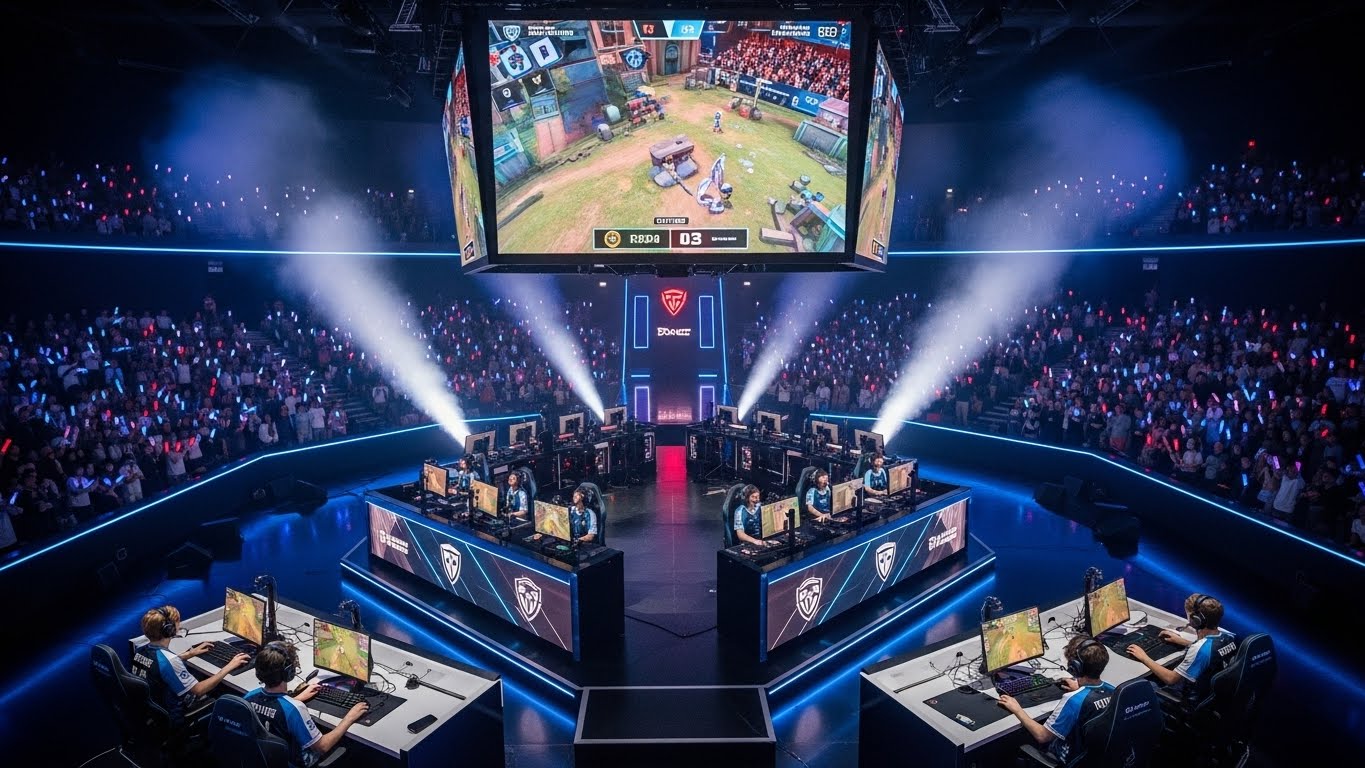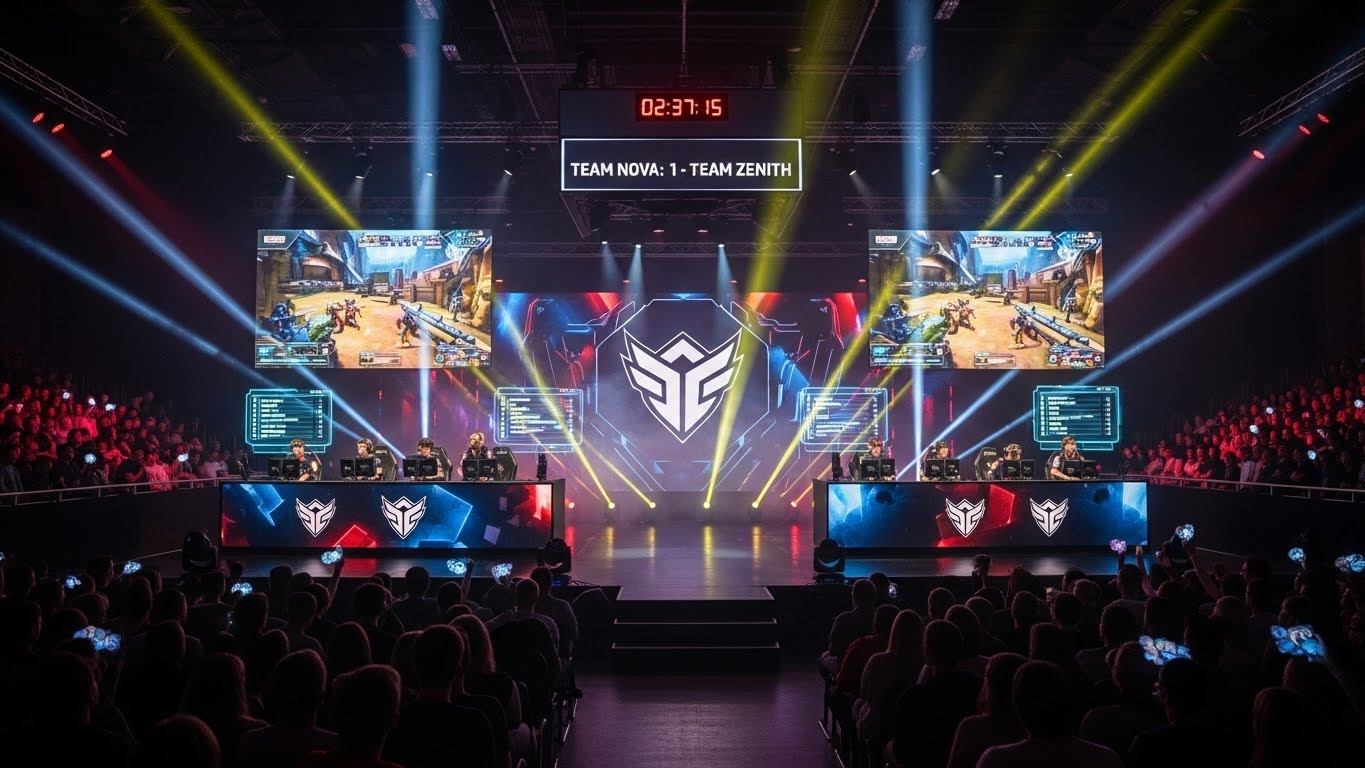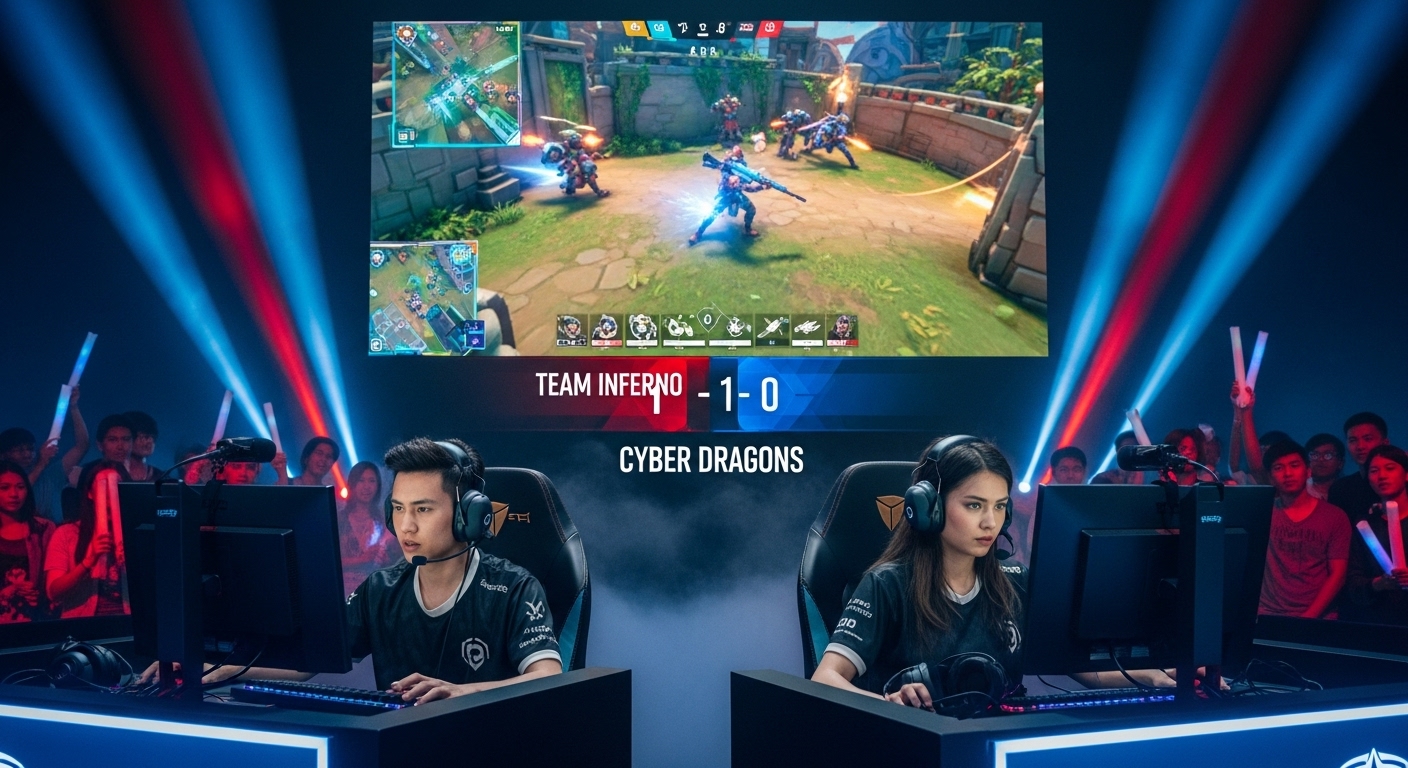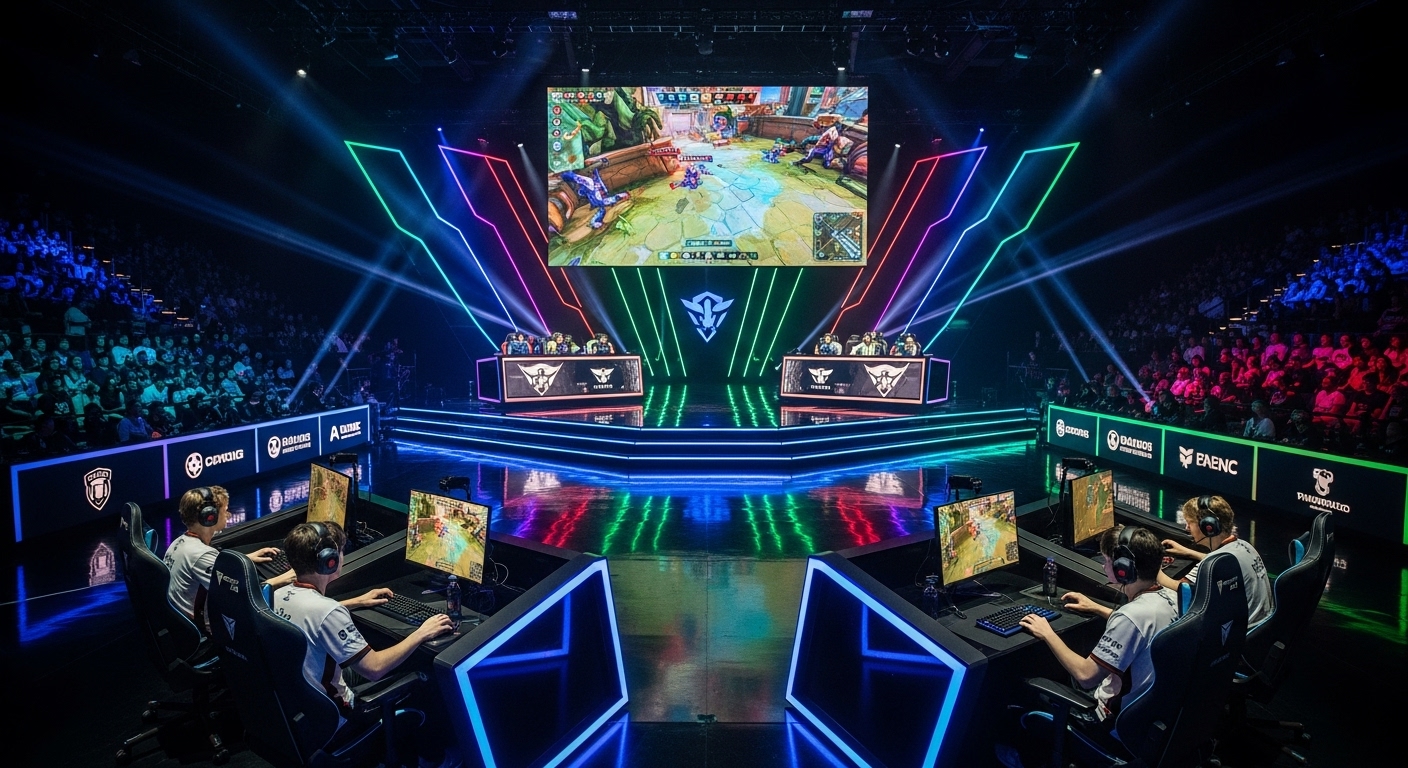
In recent years, esports has evolved from a niche hobby into a global powerhouse of entertainment, drawing millions of viewers, professional players, and even mainstream recognition. What was once considered a pastime for computer gamers has blossomed into a multi-billion-dollar industry, with tournaments, sponsorships, streaming platforms, and merchandise sales all contributing to its rapid growth. But what exactly is driving this revolution? In this blog, we’ll explore the rise of esports, the factors contributing to its success, and its place in the world of entertainment and competition.
What is Esports?
Esports, short for “electronic sports,” refers to competitive video gaming. Players, often in teams, compete against each other in multiplayer video games for cash prizes, sponsorships, and professional recognition. Esports spans a wide range of video games, including titles like League of Legends, Dota 2, Counter-Strike: Global Offensive, Overwatch, Fortnite, and Valorant, just to name a few.
Unlike casual gaming, where the primary goal is entertainment, esports is all about competition, strategy, skill, and teamwork. Professional players practice for hours, much like athletes in traditional sports, and participate in organized tournaments to showcase their talent.
The Origins of Esports
The history of esports dates back several decades. In the 1970s and 1980s, early video game competitions began to emerge, though they were much smaller in scope. For instance, the Space Invaders Championship, held in 1980, was one of the first major video game tournaments, with over 10,000 participants. However, it wasn’t until the late 1990s and early 2000s that esports really began to take shape as we know it today.
The 1990s saw the development of early multiplayer games such as Quake, Warcraft II, and StarCraft, which allowed players to compete over local networks. The rise of the internet in the late 1990s and early 2000s provided a platform for competitive gaming to go global. Major tournaments like the World Cyber Games (WCG), which began in 2000, and the Electronic Sports World Cup (ESWC), founded in 2003, brought together professional players from around the world, solidifying the concept of esports as a formalized competitive activity.
The Impact of Streaming Platforms
One of the most significant factors in the rise of esports has been the emergence of streaming platforms, particularly Twitch, which launched in 2011. Twitch revolutionized the way fans interacted with esports by allowing viewers to watch live streams of professional gameplay and tournaments from the comfort of their homes. Gamers could tune in to watch their favorite players or teams compete in real-time, and the chat feature allowed fans to engage with each other and the players themselves.
The growth of platforms like Twitch also helped esports gain traction beyond the gaming community. It created a new form of entertainment that appealed not only to gamers but also to casual viewers who might have never played the games themselves. The opportunity to watch competitive gaming, often with high-level commentary and analysis, turned esports into a spectator sport similar to traditional sports.
As Twitch’s popularity soared, other platforms like YouTube Gaming and Facebook Gaming also emerged, further expanding the reach of esports to a global audience. These platforms not only provided a space for live streaming but also allowed content creators to build personal brands, which in turn attracted more sponsorships, advertisers, and viewers.
The Economics of Esports
Esports has transformed into a multi-billion-dollar industry, with significant revenue streams coming from various sources. One of the primary drivers of this economic growth is the rise of sponsorships. Major companies, including tech giants like Intel, NVIDIA, and Razer, as well as consumer brands like Coca-Cola and Nike, have invested heavily in esports sponsorships. These companies recognize the value of esports in reaching younger, tech-savvy audiences and have supported esports events through financial backing, product placements, and marketing efforts.
Prize money is another key component of the esports economy. Professional esports tournaments regularly feature multi-million-dollar prize pools, attracting top-tier talent from around the world. The International, an annual Dota 2 tournament, is one of the most famous examples, with prize pools surpassing $30 million in recent years.
In addition to sponsorships and prize money, media rights have become a significant revenue source. As esports has grown in popularity, traditional broadcasters and streaming services have begun acquiring the rights to broadcast esports events. Major networks like ESPN and NBC Sports have aired esports tournaments, while streaming platforms like Amazon’s Twitch and YouTube provide coverage of major events globally.
Merchandise sales also contribute to the financial success of esports. Esports teams and players often sell branded apparel, equipment, and memorabilia, allowing fans to support their favorite teams and players while also generating revenue for the esports organizations themselves.
The Esports Community and Culture
One of the key factors behind esports’ growth is the strong sense of community that surrounds it. Esports players, fans, and content creators form an online ecosystem that thrives on interaction, competition, and shared passion. Esports has created a space where fans can engage with their favorite players, cheer for their teams, and discuss strategies and game mechanics with like-minded individuals.
In fact, many of the most successful esports players and streamers have built entire careers around their online personalities. Players like Ninja (Tyler Blevins), Shroud (Michael Grzesiek), and Pokimane (Imane Anys) have amassed millions of followers through their Twitch and YouTube streams, making them some of the most recognizable figures in the gaming world.
Esports also fosters a sense of camaraderie among its fans. Events like the League of Legends World Championship and Counter-Strike: Global Offensive Majors attract tens of thousands of spectators who travel from across the globe to watch the tournaments in person. These events create an atmosphere of excitement and energy, similar to what you might find at a traditional sports stadium, and allow fans to meet and connect with others who share their passion for gaming.
The Rise of Esports as a Career
One of the most significant developments in the esports industry is the rise of esports as a legitimate career path. Professional esports players can earn significant salaries through tournament winnings, sponsorships, and streaming revenue. Top-tier players in games like League of Legends, Dota 2, and Fortnite can make millions of dollars annually.
In addition to players, esports has created new career opportunities in other fields, including coaching, broadcasting, content creation, and event management. Organizations like Cloud9, Team Liquid, and G2 Esports employ not only players but also coaches, analysts, managers, and media personnel, providing a comprehensive ecosystem for anyone interested in pursuing a career in esports.
Colleges and universities have also started to recognize the potential of esports. Many schools now offer esports scholarships and have built esports arenas to support competitive gaming programs. Some universities even offer degree programs in esports management, broadcasting, and game design, allowing students to build careers in the growing industry.
Esports and Traditional Sports: A Synergistic Relationship
The relationship between esports and traditional sports has evolved over time. While some traditional sports fans were initially skeptical of esports, many now recognize its appeal and value. Esports has begun to attract sponsorships and investments from traditional sports teams and leagues, creating a crossover between the two worlds.
Professional sports teams such as Team Liquid (owned by a major basketball team), The Golden State Warriors, and Paris Saint-Germain (PSG) have all made significant investments in esports, creating teams and participating in gaming leagues. These teams often compete in games like FIFA, NBA 2K, and Rocket League, bridging the gap between traditional sports and esports. Additionally, the structure of many esports leagues is modeled after traditional sports, with regular seasons, playoffs, and championships, further aligning the two.
The Future of Esports
Looking ahead, the future of esports is bright. The industry is poised for continued growth, with more games, tournaments, and platforms emerging to fuel its expansion. As technology advances, we can expect new innovations in the way esports events are experienced, including virtual reality (VR), augmented reality (AR), and more immersive viewing experiences. VR and AR could revolutionize how fans experience live esports tournaments, allowing them to be “inside” the game, interacting with players and spectators in new ways.
The increasing popularity of esports among younger generations also suggests that esports will become an even more integral part of global culture. As more young people embrace competitive gaming, the appeal of esports will continue to grow, creating new opportunities for players, teams, and fans alike.
Conclusion
Esports has come a long way since its humble beginnings, evolving into a global entertainment phenomenon that competes with traditional sports in terms of viewership, fan engagement, and financial impact. The rapid growth of streaming platforms, the influx of sponsorships, and the emergence of professional career paths in gaming have transformed esports into an industry that is here to stay. With continued innovation and an ever-expanding fanbase, esports is on track to shape the future of competitive entertainment in the 21st century. Whether you’re a gamer, a fan, or simply an observer, the world of esports offers something exciting for everyone.