The Dawn of Digital Rivalry
Once upon a time, gaming was considered nothing more than a hobby, a simple form of recreation enjoyed in dimly lit arcades or at home on bulky consoles. Few could have predicted that this humble pastime would evolve into a global phenomenon known as eSports, commanding millions of spectators, generating billions in revenue, and producing professional athletes who are as celebrated as footballers or basketball stars. The transformation of video gaming into organized, competitive entertainment represents one of the most fascinating cultural shifts of the 21st century. What began as playful challenges among friends has now matured into a legitimate industry, where skill, discipline, and strategy define champions.
The roots of eSports stretch back to the late 20th century when gaming competitions were first introduced. The Space Invaders Championship in 1980 is often regarded as the birth of competitive gaming. With thousands of participants battling for supremacy in an arcade classic, the world witnessed its first taste of digital rivalry. But even then, no one imagined that this spark would ignite an industry capable of rivaling traditional sports in both popularity and influence. Over the decades, gaming technology advanced rapidly. Faster processors, sharper graphics, and online connectivity transformed isolated gaming sessions into global competitions. By the time the internet became mainstream, the foundation of modern eSports had already been laid.
From Pixels to Professionalism
What separates casual gaming from eSports is the structure, dedication, and professionalism that have developed over time. In the early 2000s, as broadband internet spread across households, multiplayer games like Counter-Strike, StarCraft, and Warcraft III began to foster competitive scenes. Local area network tournaments evolved into international championships, and the term “pro gamer” began to gain legitimacy. South Korea led this revolution, establishing one of the first structured eSports ecosystems. The country recognized gaming as a professional pursuit, complete with televised matches, sponsorships, and fan clubs. StarCraft players became national celebrities, their strategies studied and admired by millions.
The rest of the world soon followed. As gaming became more accessible and online connectivity improved, competitive scenes emerged across Europe, North America, and beyond. The formation of professional teams and organizations formalized the industry. Players trained for hours daily, working with coaches, analysts, and even psychologists to refine their performance. This disciplined approach mirrored that of athletes in traditional sports, proving that mastery of the mind and reflexes could be as demanding as mastery of the body.
The Spectator Revolution
For a long time, people believed gaming was an isolated experience—something done alone in the corner of a room. But the rise of eSports shattered that notion completely. Spectatorship became central to its success. The emergence of streaming platforms allowed millions of fans to watch live matches from anywhere in the world, transforming eSports into a truly global entertainment medium. Watching professionals play became as thrilling as watching a football final or an Olympic sprint.
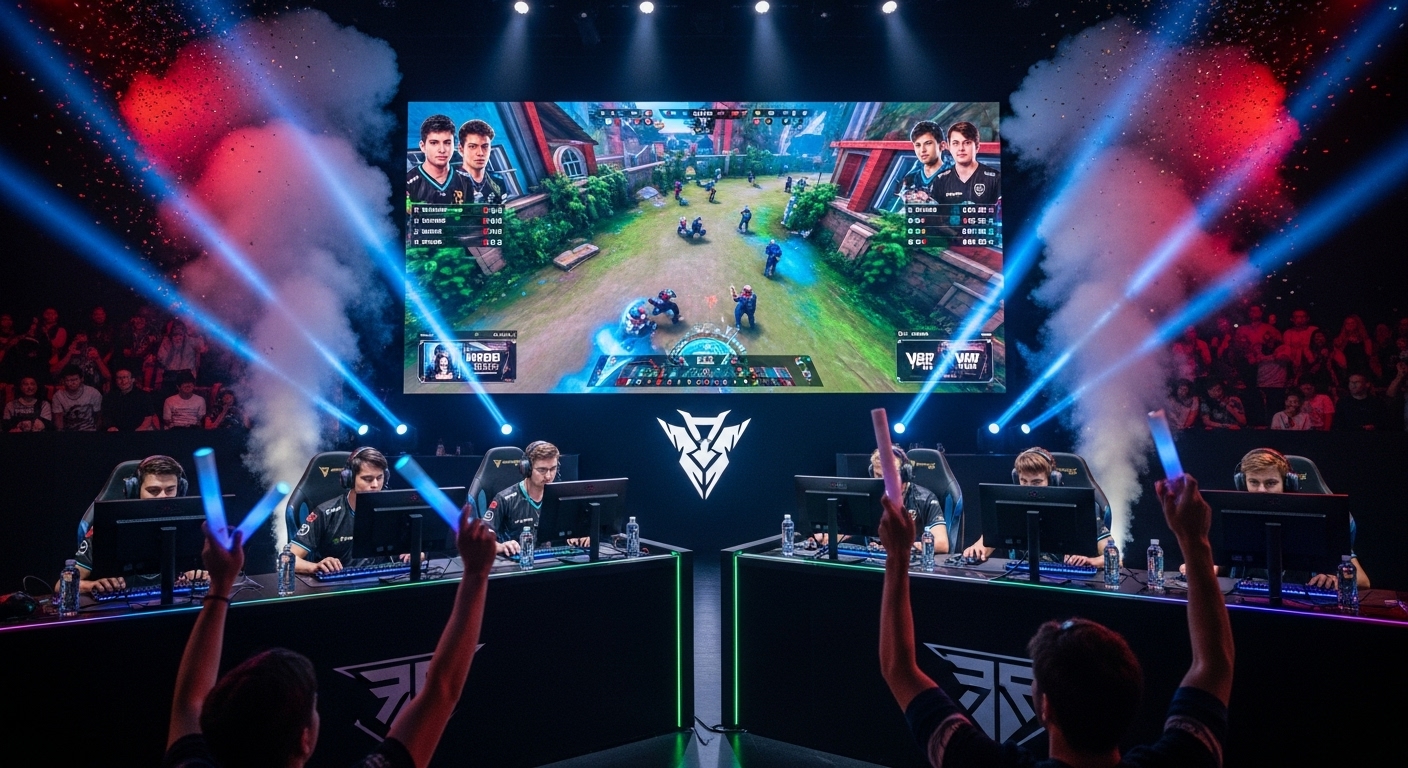
Stadiums filled with cheering crowds, screens projected in vivid clarity, commentators narrated every move, and players sat under bright lights, their focus unshaken despite thousands of eyes watching. The atmosphere was electric. Events like the League of Legends World Championship and The International for Dota 2 began to attract more viewers than traditional sporting events, with prize pools reaching tens of millions of dollars. Fans waved banners, wore team jerseys, and celebrated victories with the same enthusiasm seen in any football or basketball arena.
What made eSports so captivating was accessibility. Unlike many traditional sports, anyone with a computer or console could understand the basics and dream of competing. Viewers did not just watch; they imagined themselves in the arena, fighting for digital glory. The audience was young, global, and deeply connected through technology—a generation that grew up online and saw no boundaries between entertainment, competition, and community.
The Global Business of eSports
Behind every thrilling match lies a massive business ecosystem that fuels the growth of eSports. Sponsorships, advertising, merchandise, ticket sales, and media rights now generate billions annually. Major corporations recognize eSports as a key gateway to the next generation of consumers. Unlike traditional sports audiences, eSports fans are digital natives who engage actively online, making them a prime target for brands.
Organizations such as Team Liquid, Fnatic, and Cloud9 have become global powerhouses, managing rosters across multiple games and representing players from different continents. Publishers, too, play a major role. Companies like Riot Games, Valve, and Blizzard have turned their games into platforms for both competition and entertainment. They organize leagues, regulate tournaments, and maintain the digital infrastructure that keeps the ecosystem alive.
Beyond the teams and tournaments, the rise of content creation and streaming has added another economic layer. Professional players often double as influencers, streaming their practice sessions or engaging with fans directly. This interactive element enhances their brand value and provides additional income streams. The line between athlete, entertainer, and influencer has blurred, creating a new type of celebrity uniquely suited to the digital age.
The Training Behind the Screen
To the uninitiated, playing video games for a living might seem like fun and relaxation. The reality, however, is far more demanding. Professional eSports athletes adhere to rigorous training regimens. They spend upwards of ten hours a day practicing, analyzing gameplay footage, and refining their strategies. Reflexes, decision-making, and teamwork are continuously tested. The mental strain of constant competition is immense, and burnout is a common challenge.
Teams now employ coaches, physical trainers, and mental health professionals to keep players in peak condition. Proper sleep, diet, and exercise are encouraged, recognizing that cognitive performance is linked to physical well-being. Many organizations have even designed dedicated training facilities equipped with ergonomic setups, nutrition centers, and recovery areas. The life of a pro gamer requires focus, resilience, and adaptability—qualities identical to those demanded of any elite athlete.
eSports as a Cultural Movement
The influence of eSports extends far beyond gaming itself. It has become a defining element of modern youth culture. Fashion brands collaborate with teams, musicians perform at tournaments, and game-inspired aesthetics influence art, design, and even film. The eSports lifestyle—defined by creativity, individuality, and global connectivity—has reshaped how younger generations express themselves.
Schools and universities have also embraced eSports. Academic institutions around the world now offer scholarships and degree programs in eSports management, game design, and digital marketing. This institutional support signals a growing recognition of gaming as both an art form and an economic driver. In some countries, professional eSports players receive the same recognition and benefits as traditional athletes, further cementing their role in modern culture.
Another significant cultural impact of eSports is its inclusivity. While traditional sports often face barriers related to gender, body type, or geography, eSports provides a more level playing field. Skill, strategy, and dedication are the true determinants of success. Women, non-binary players, and individuals from underrepresented backgrounds are finding their voices and visibility in the eSports scene, gradually breaking stereotypes and fostering diversity.
The Psychology of Competitive Gaming
At the core of every eSports competition lies the human mind. Winning requires not only mechanical skill but also immense psychological resilience. Players must handle pressure, adapt to shifting strategies, and remain composed in high-stakes moments where a single misclick can change everything. Mental toughness, focus, and emotional control are critical attributes for success.
Psychologists working in eSports often compare the stress levels of top gamers to those experienced by professional athletes or surgeons. The precision required, combined with constant scrutiny from audiences, creates an environment where even small mistakes feel magnified. This has led to growing conversations around mental health in the gaming community. Leading organizations are taking proactive steps, offering counseling and encouraging players to balance their professional and personal lives.
Challenges Facing the Industry
Despite its explosive growth, eSports is not without challenges. The lack of centralized governance makes regulation difficult. Because each game is owned by a different publisher, rules and standards vary widely across titles. Issues such as player exploitation, inconsistent pay, and unregulated contracts still plague parts of the industry. Another pressing issue is burnout. The relentless pace of competition leaves little room for rest, leading to early retirements. Some players step away before their mid-twenties, unable to sustain the mental and physical toll.
Toxicity within online communities also poses problems. While gaming brings people together, it can also foster negative behavior, including harassment and discrimination. Efforts to create safer, more inclusive environments are ongoing, with organizations enforcing stricter codes of conduct and promoting awareness.
Furthermore, accessibility remains a concern. While mobile gaming has opened doors for many, the cost of high-end gaming equipment can still be prohibitive. Ensuring that opportunities exist for talented players regardless of their socioeconomic background is crucial for the future health of eSports.
The Role of Technology in Shaping the Future
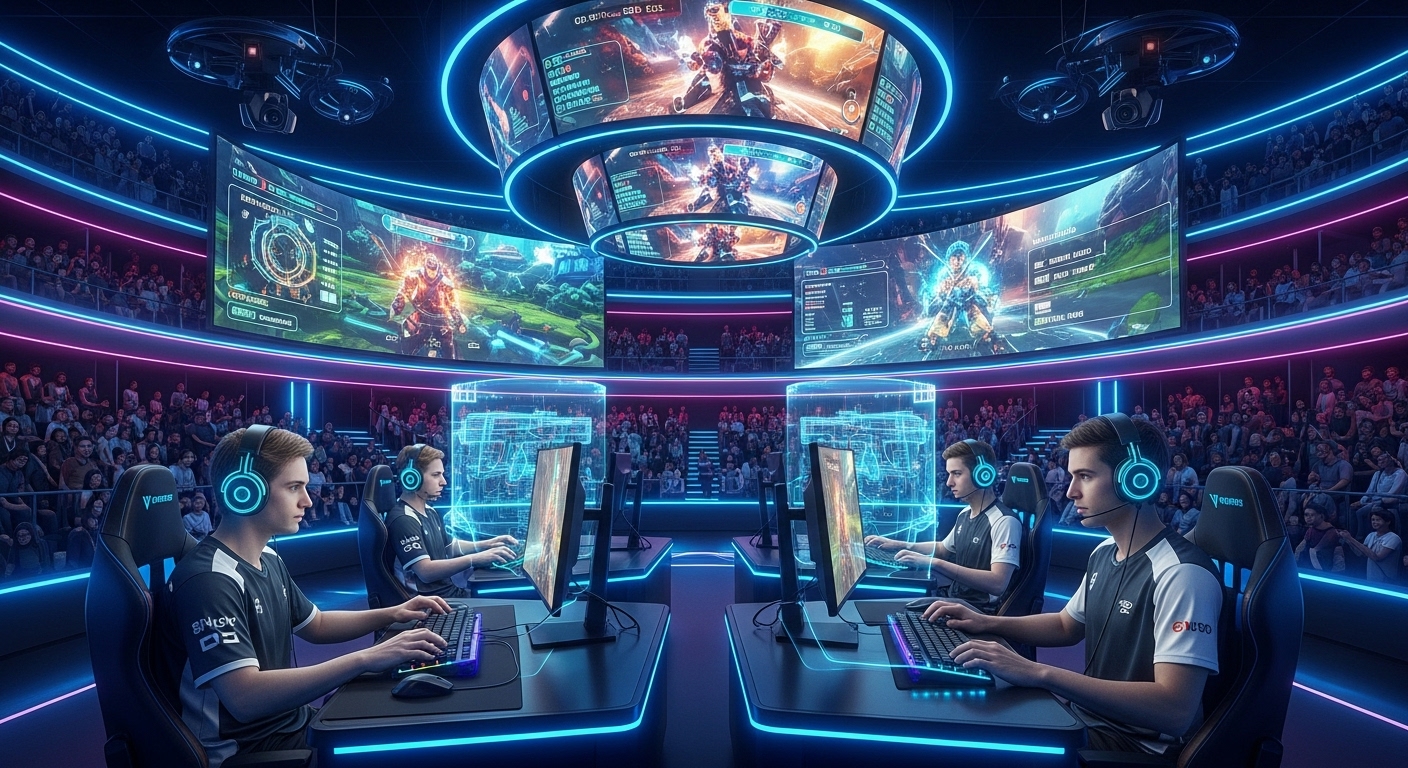
Technology has always been the backbone of eSports, and as it evolves, so does the industry. The arrival of ultra-fast internet, cloud gaming, and virtual reality promises new frontiers of competition. Imagine tournaments played in immersive virtual environments or mixed-reality events where physical and digital experiences merge seamlessly. Artificial intelligence is also beginning to influence training. Coaches use data analytics to assess player performance, track reaction times, and develop personalized strategies. AI-driven bots simulate opponents, allowing players to practice specific scenarios repeatedly until perfected.
Mobile gaming is another frontier transforming eSports accessibility. Titles like PUBG Mobile and Mobile Legends have brought competitive gaming to millions who might not own a PC or console. This democratization of eSports is particularly significant in emerging markets across Asia, Africa, and South America, where mobile devices serve as the primary entry point into gaming.
The Rise of Local and Regional Leagues
While global tournaments capture headlines, regional leagues form the backbone of the eSports ecosystem. These local competitions nurture talent, build fan bases, and provide pathways for aspiring players to enter the professional scene. Countries are investing in eSports infrastructure, creating arenas, training centers, and academies. Governments are also recognizing the economic potential of eSports tourism, where fans travel to attend major events and experience the culture firsthand.
These regional ecosystems have given rise to homegrown heroes—players who become symbols of national pride. Whether it is a European team conquering a global stage or an Asian powerhouse setting new standards of excellence, eSports has become a medium of cultural exchange and international recognition.
The Evolution of Fans and Communities
In eSports, fans are not passive observers. They are participants, creators, and co-owners of the culture. Communities form around games, teams, and personalities, contributing art, memes, commentary, and analysis. The digital nature of these communities allows for deep engagement, where fans can directly interact with players through live chats, social media, or meet-and-greet events at tournaments.
Esports fandom also thrives on storytelling. Every match carries emotional weight—underdogs rising, champions falling, rivalries forming. Fans invest in these narratives, forging emotional bonds that extend beyond the screen. This sense of belonging defines the spirit of eSports, making it more than entertainment; it becomes identity and connection in a digital world.
The Future Horizon of eSports
Looking ahead, the future of eSports appears boundless. As technology continues to advance, the distinction between real and virtual competition will blur even further. Traditional sports organizations are integrating eSports divisions, while educational institutions use gaming to teach collaboration and critical thinking. The possibility of eSports being recognized in global sporting events like the Olympics is no longer far-fetched.
Sustainability and player welfare will be the next frontiers of progress. With better support systems, ethical regulation, and continued investment, eSports can create a balanced ecosystem where both competition and creativity thrive. Moreover, as virtual reality and augmented reality evolve, new forms of interactive entertainment will emerge, giving birth to hybrid experiences that combine the physical and digital worlds.
Conclusion: The New Definition of Sport
eSports is more than gaming; it is the embodiment of human innovation and competition in the digital age. It challenges traditional notions of what defines an athlete or a sport. It is inclusive, dynamic, and ever-evolving. From humble arcade beginnings to packed stadiums and millions of online viewers, eSports has journeyed beyond entertainment into the realm of culture and identity.
The story of eSports is a story about humanity’s relentless pursuit of mastery—whether it’s over the body, the mind, or the machine. It shows that passion, discipline, and community can transcend physical limitations. As technology continues to shape our future, eSports stands as a testament to what happens when creativity meets competition in a connected world. The digital arena is here to stay, and its champions are the pioneers of a new age of sport—one where victory is not only measured by scoreboards but by the shared excitement of millions who dare to dream in pixels and light.