Introduction to the Digital Arena
Esports is no longer a fringe hobby played in the dim glow of bedroom screens. It has evolved into a dazzling global phenomenon where young talents rise like digital gladiators. Their arenas are virtual, yet their victories echo in roaring stadiums filled with thousands of cheering fans. Entire ecosystems of coaches, analysts, commentators, sponsors and game developers now orbit around these players. What once began as playful competition among friends has transformed into a billion dollar industry moving faster than a speedrun of the toughest game. Esports today is a cultural engine powering new forms of entertainment, career paths and technology innovation.
The Evolution of Competitive Gaming
Competitive gaming did not suddenly appear out of a loot box. It grew slowly, like levels unlocking one by one. In the early years of video games, high scores were posted on arcade machines and the best local players became legends in their town. The spirit of competition was there, but infrastructure was not. With the arrival of home computers and the internet, the scope of competition expanded. Players from different continents could suddenly battle each other without needing a plane ticket. By the late 1990s, tournaments for strategy games and first person shooters began receiving sponsorship. Esports entered its adolescence, fueled by better technology and the thrill of proving your skill to the world.
Esports as a Global Spectator Sport
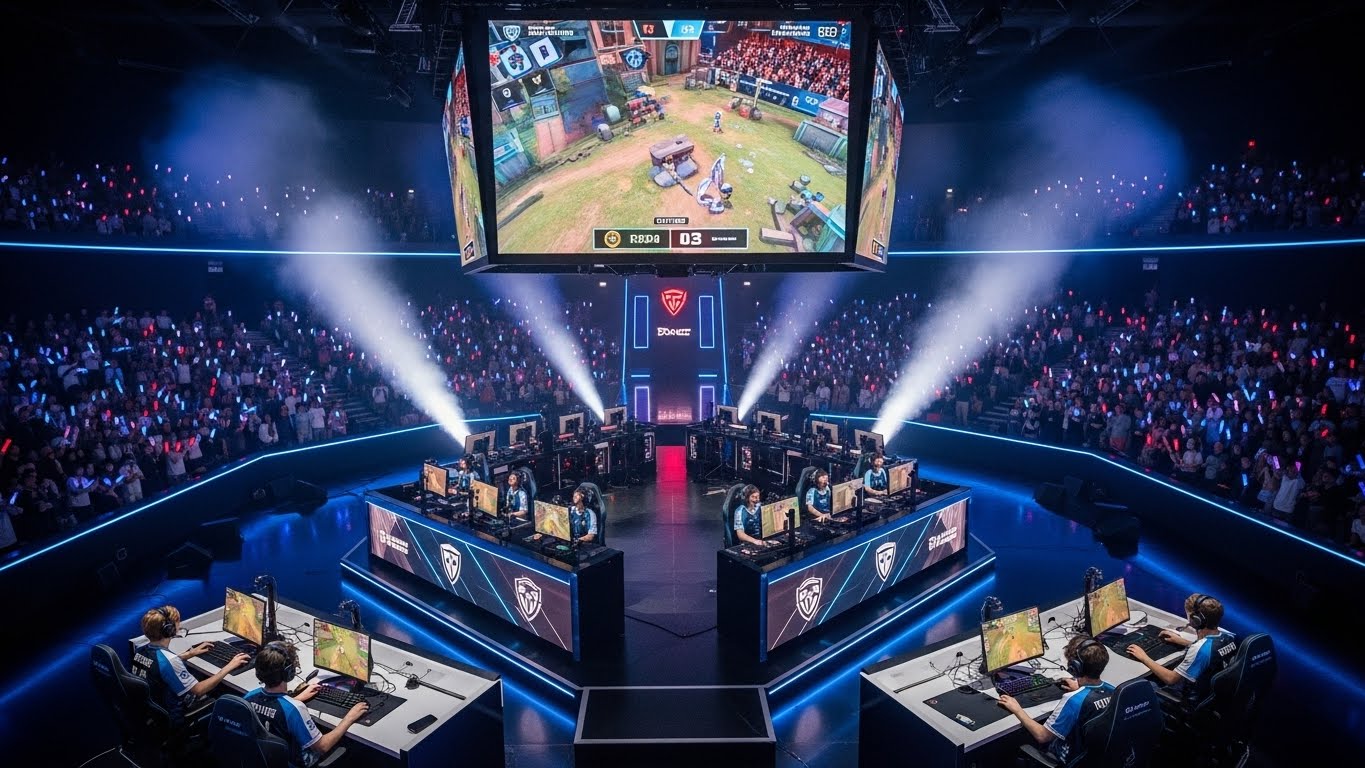
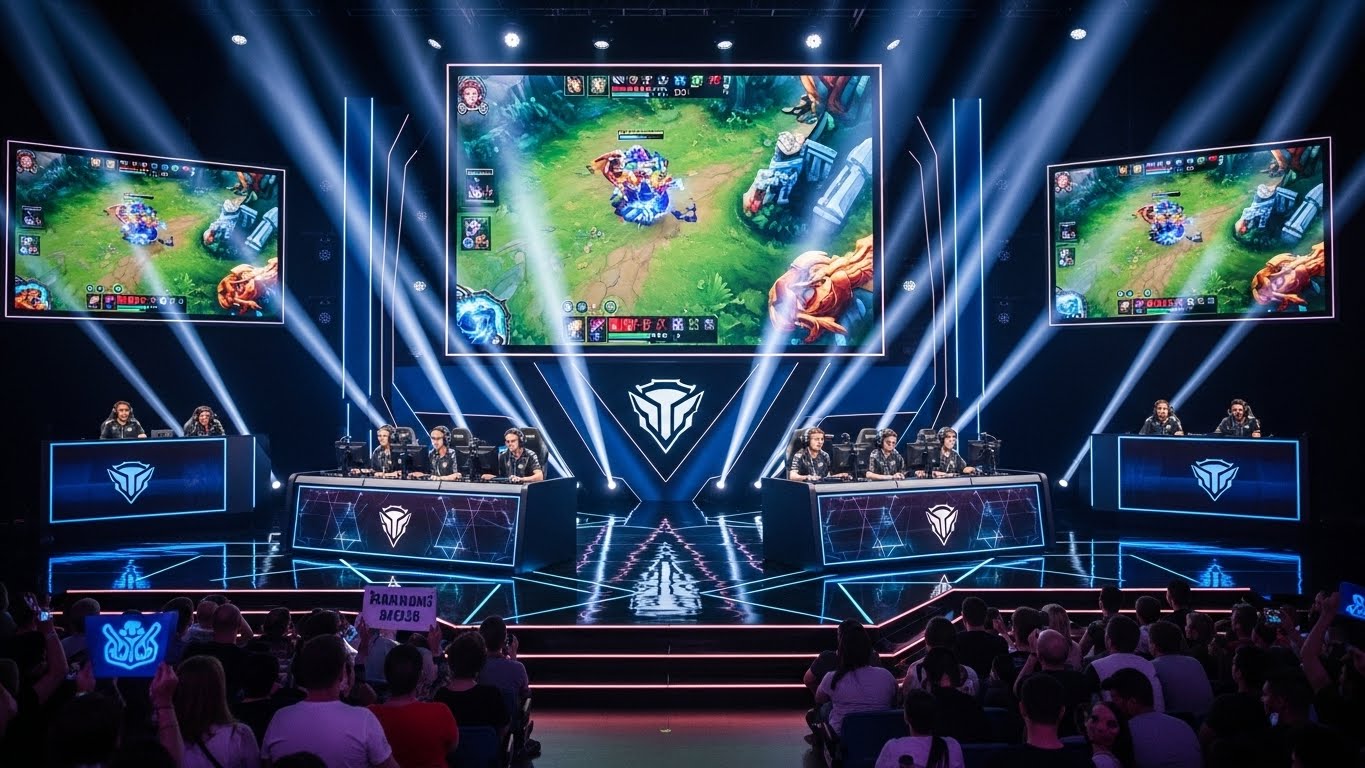
Today, Esports events fill arenas once reserved for pop stars. The biggest tournaments have millions of people watching simultaneously online, making them larger than many traditional sports in terms of viewership. Imagine thousands of spectators, light sticks glowing, cheering every time a player lands the perfect shot. Commentators narrate the action with dramatic excitement, analyzing strategies and hyping the crowd. Giant screens show every move in crisp detail. Teams wear custom jerseys like football clubs and fans show up with banners featuring their favorite players. Esports is not just a game. It is a shared emotional experience where passion is powered by pixels.
The Stars of Esports
Every sport has its heroes and Esports is full of them. These athletes have lightning fast reflexes and minds that calculate possibilities within fractions of a second. They train for hours daily, mastering mechanics, communication and strategy. Players like them represent hope and ambition for millions of fans who dream of standing on the same stage someday. Their stories include dramatic comebacks, heartbreaking losses and inspiring victories. Some grow into icons, recognizable across cultures and continents. They become trendsetters, role models and household names within an industry that respects talent regardless of nationality or physical strength.
Game Genres That Rule the Competitive Scene
Esports includes a wide galaxy of game genres, each with its own community and competitive structure.
Multiplayer online battle arena games capture attention with team based strategy and fast paced decision making. First person shooters are like digital marksmanship contests where precision determines glory. Battle royale titles turn survival into a high stakes sporting event. Sports simulation games bring traditional sports fans into the Esports ecosystem. Fighting games test one versus one mastery and mental resilience. Real time strategy titles remain beloved for their complex tactics. This wide diversity allows Esports to appeal to many types of players and spectators. There is a competitive game genre for almost every personality.
Training Like a Champion
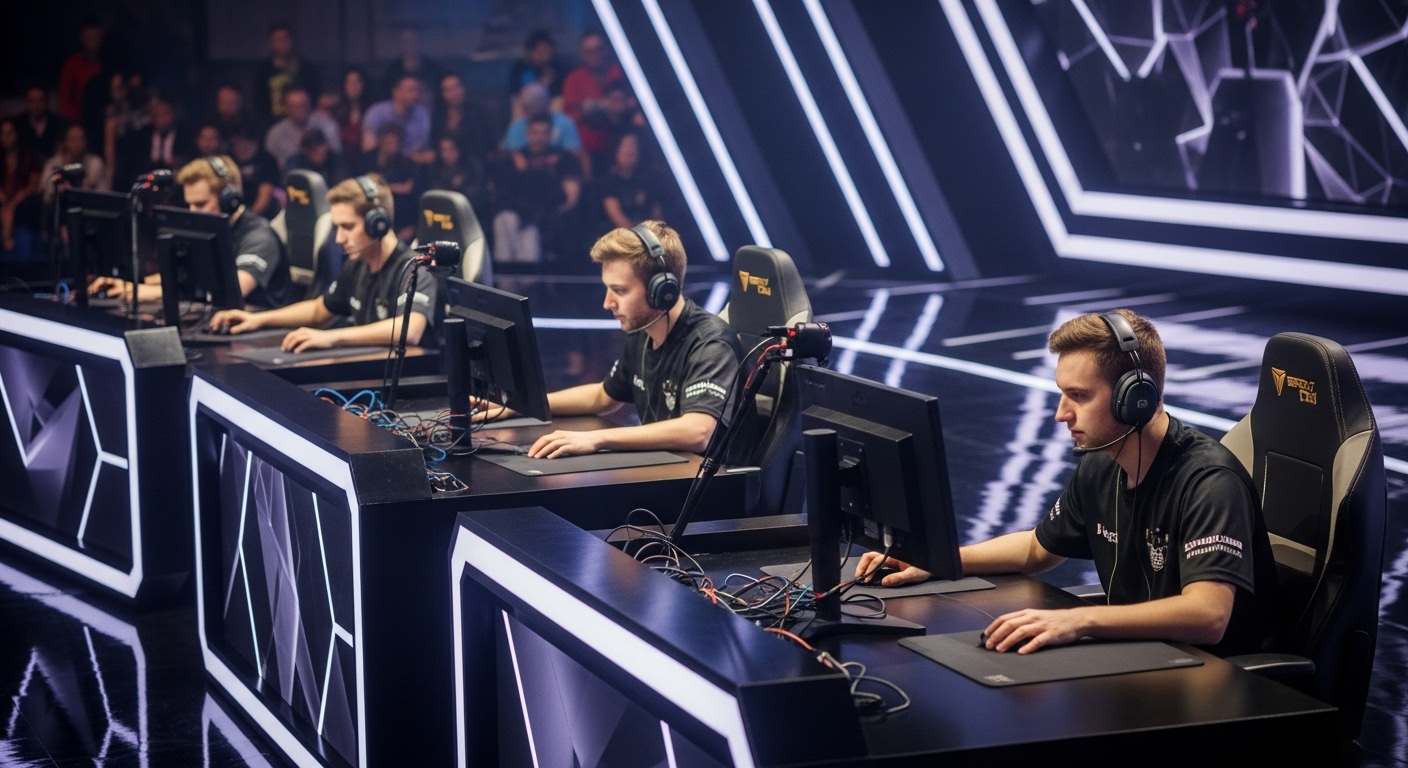
Professional players treat practice like science. They study replays of their matches to analyze mistakes and refine tactics. Physical health is critical too. Even though competition happens on screens, hand eye coordination, focus and stamina require conditioned bodies. Many teams hire coaches, sports psychologists and nutritionists to improve performance. Training facilities resemble athlete camps with state of the art equipment. The daily routine includes scrims against other top opponents, reviewing strategy, learning new mechanics and maintaining mental discipline. This dedication proves that Esports is as demanding as any other high level sport.
Technology and Production Magic
Esports broadcasts feel futuristic. Cameras capture players reactions while the game interface displays real time statistics. Animations explain tactics with clarity that traditional sports envy. Viewers enjoy angles and perspectives impossible in a physical stadium. Broadcasters integrate augmented reality features that bring characters and environments right into the arena. The entire production aims to keep audiences immersed from the first clash to the final victory screen. Streaming platforms make the content accessible to fans worldwide, turning living rooms everywhere into personal stadiums. Technology elevates Esports into a unique form of entertainment that blends performance and innovation.
The Business of Competitive Gaming
Behind the thrills and flashy highlights lies a serious business. Teams secure corporate sponsorships from global brands. Game publishers host huge tournaments to foster competitive communities. Merchandise like jerseys, gaming gear and collectible items generate revenue. Investors pour money into growing organizations. Media rights deals allow broadcasting companies to stream major events. Prize pools can reach life changing amounts, turning young players into overnight millionaires. The Esports economy is thriving, encouraging career opportunities in marketing, content creation, management and event production. It is a rapidly expanding industry that shows no sign of stopping.
Esports in Education
Educators have discovered that Esports nurtures teamwork, communication, problem solving and leadership. Schools and universities now establish official teams and scholarships, recognizing that gaming can shape confident and skilled students. Club participation helps learners feel included socially, especially those who find traditional sports less appealing. Some institutions offer degrees related to game design, broadcasting, or Esports management. This new academic landscape celebrates both creativity and competition. The classroom now extends into virtual battlegrounds where learning is a quest filled with fun and strategy.
Health and Wellbeing in Esports
Popular belief once imagined gamers to be isolated or unhealthy, but the professional scene breaks those stereotypes. Health and wellness are core components of competitive success. Teams enforce structured schedules with exercise, balanced nutrition and mental health care. Stretching and hand exercises reduce the risk of repetitive strain injuries. Sports psychologists help players handle pressure and maintain confidence. Sleep routines prevent fatigue from disrupting focus. By embracing holistic health, Esports organizations show that elite performance is built from mind and body working in harmony. This shift gradually improves the well being of players at every level of gaming.
Community Power and Global Unity
The Esports community is a vibrant constellation of people who share passion regardless of language or borders. Fans create content, run tournaments, build strategies and celebrate the game together. Online platforms allow friendships to form between individuals who might never meet in person. Cultures connect through shared excitement, cheering for the same incredible plays. Esports unites the world with joy rather than competition dividing it. Rivalries exist, but respect underlies them. This sense of belonging makes the Esports movement meaningful beyond competition alone.
The Role of Game Developers
Game developers are like cosmic architects shaping the universes where Esports athletes compete. They must balance gameplay, update content and respond to community feedback. Any imbalance can alter professional results. Developers build spectator modes, design fair matchmaking systems and create new characters or maps that refresh the meta. Communication with fans and professional players helps them steer the future of the game. When development teams and Esports organizations collaborate successfully, the result is a flourishing community and unforgettable events.
Women in Esports
Women are claiming their well deserved space in the competitive scene. Female players, commentators, coaches and analysts are earning recognition and inspiring others to join. Gender diversity strengthens Esports by bringing different perspectives and expanding the talent pool. Many initiatives encourage inclusivity and safe spaces for all participants. As representation grows, the industry moves toward equality. Fans support players based on skill and personality, not stereotypes. The future promises a more balanced Esports universe where every competitor feels welcome.
The Lifespan of a Competitive Career
Professional Esports careers can be intense and relatively short due to the physical and mental demands of constant high pressure performance. Reaction times peak at a young age. Many players eventually transition into coaching, streaming or analyst roles. Their expertise remains valuable long after they stop competing. These career paths preserve passion while avoiding burnout. The industry now focuses on long term well being of athletes, ensuring that their contributions are respected both during and after their competitive prime.
Esports and Traditional Sports Convergence
The boundaries between Esports and traditional sports are growing thinner. Football clubs, basketball teams and Olympic organizations invest in Esports squads. Many physical athletes admire Esports stars and join gaming streams. Sports science contributes to Esports performance. Meanwhile, simulations let traditional sports fans experience their favorite game from a digital perspective. Both worlds learn from each other. The result is an expanded definition of what it means to be an athlete. Competition is recognized not just in stadiums but also in virtual arenas where intelligence and precision dominate.
The Future of Esports
The future of Esports sparks curiosity like a mystery treasure chest waiting to be unlocked. Virtual reality competitions could place players inside fully immersive digital coliseums. Artificial intelligence could introduce new forms of training or gameplay. Mobile gaming might dominate new markets where consoles and PCs are uncommon. Tournaments may expand into every city with local leagues and community involvement. The next generation will view Esports as a mainstream career path rather than a dream. It will continue evolving faster than many industries have in decades of growth.
Social Impact and Responsibility
Esports carries influence and therefore responsibility. Communities advocate for positive behavior such as fair play, kindness and inclusivity. Anti toxicity campaigns remind players to keep competition respectful. Organizations commit to sustainability by reducing waste at events. Charity tournaments raise funds for causes in need. The Esports world recognizes its power to inspire change and encourages participants to make those digital spaces better with every click and keystroke.
Why Esports Matters to the World
Beyond entertainment and competition, Esports cultivates skills such as strategic thinking, teamwork and creativity. It gives shy individuals a spotlight to express themselves. It brings joy to millions who find community through shared passion. It provides careers that reflect the digital age. It proves that sports are not limited by physical shape or geographic location. Esports shows that passion and intelligence can overcome any border. It is a celebration of human capability extended into technology.
Conclusion The Endless Match
Esports is one of the most exciting movements of the 21st century. It blends art, science, sport and community into a vibrant spectacle. The sounds of keyboards and mice become music. Screens become windows to distant realms. Every player is part of a grand saga where skill and imagination create unbeatable teams and unforgettable stories. As technology continues to evolve, the world of Esports will grow even larger, offering more opportunities for joy and achievement. The future is a game waiting to be played, and Esports invites everyone to grab a controller, join the crowd or step onto the stage. The match has only just begun.