Introduction to Esports: From Hobby to Global Phenomenon
Esports, short for electronic sports, has grown rapidly in the last two decades. What began as informal competitions among friends has transformed into a multi-billion-dollar industry attracting millions of viewers worldwide. It combines the thrill of traditional sports with the innovation of modern technology, offering a competitive platform where video game players showcase their skills. This blog dives deep into the evolution, ecosystem, impact, challenges, and future prospects of esports, explaining why it has become a dominant force in global entertainment culture.
The Origins of Esports: Early Days of Competitive Gaming
The story of esports starts decades ago with arcade games and early home consoles. In the 1970s and 1980s, gamers competed locally for high scores in classic titles such as Pac-Man and Space Invaders. These events were casual but laid the foundation for competitive gaming communities.
The 1990s brought significant technological advancements. With the advent of personal computers and internet connectivity, games like Doom, Quake, and StarCraft emerged as the first true esports titles. These games supported multiplayer battles over networks, introducing the concept of organized competition on a larger scale. LAN parties and local tournaments became popular as players sought to prove their dominance.
The Internet Revolution and Professionalization of Esports
The rise of broadband internet in the early 2000s revolutionized esports. Online multiplayer games became more accessible, allowing players from different locations to compete in real time. Titles like Counter-Strike, Warcraft III, and later League of Legends and Dota 2 attracted global audiences.
Streaming platforms also began to flourish, enabling fans to watch live gameplay from anywhere in the world. This visibility helped transform esports from a niche hobby into a serious profession. Players started signing contracts with teams, receiving salaries, coaching, and sponsorship deals. Major tournaments with multi-million dollar prize pools were established, drawing worldwide attention.
The Esports Ecosystem: Key Players and Stakeholders
Understanding esports requires examining the network of players, teams, organizers, sponsors, broadcasters, and fans who keep the ecosystem thriving.
Professional Players and Teams
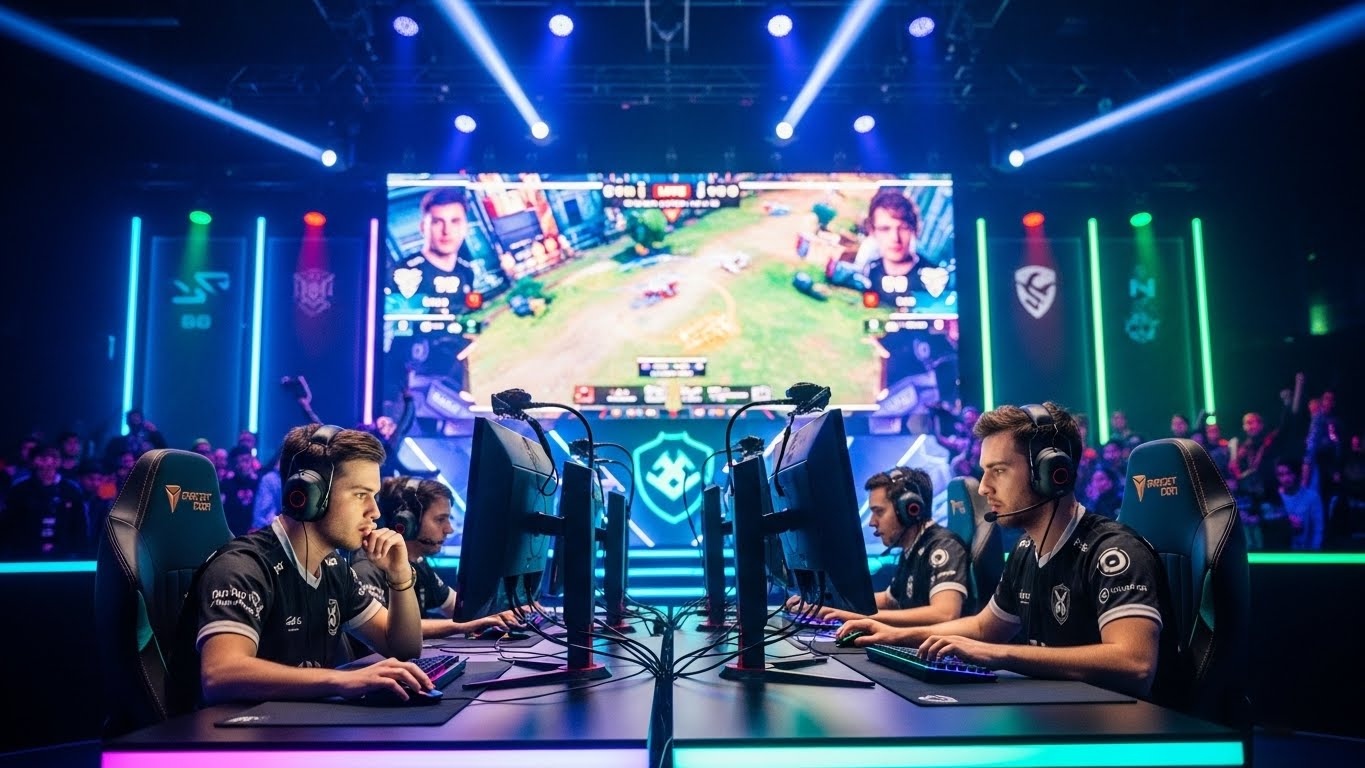
At the heart of esports are the professional players. These athletes dedicate thousands of hours to mastering their games, often practicing for eight to twelve hours daily. They compete in teams, requiring coordination, strategy, and communication. Teams operate similarly to traditional sports clubs, managing contracts, coaching staff, and training facilities.
Tournament Organizers and Leagues
Organizers create tournaments and leagues that structure the competitive calendar. These events range from open qualifiers accessible to all players to invitation-only championships featuring the best teams. Leagues often follow seasonal formats with regular matches and playoffs, engaging fans over extended periods.
Sponsors and Investors
Companies across multiple industries recognize the marketing potential of esports. Sponsors provide financial support to teams and events, while investors fund startups and infrastructure within the esports space. Popular sponsor categories include technology hardware, energy drinks, fashion brands, and telecommunications.
Streaming Platforms and Media
Platforms dedicated to live streaming have been instrumental in esports’ growth. They offer real-time access to matches, player commentary, and interactive features such as chat rooms and viewer polls. Media outlets cover esports news, conduct player interviews, and produce documentaries that deepen fan engagement.
Fans and Communities
Esports fans form vibrant communities that support teams and players through online forums, social media, and live event attendance. This passionate base drives the cultural impact of esports, creating memes, fan art, and cosplay inspired by popular games and personalities.
Popular Esports Genres and Iconic Titles
Esports spans several game genres, each offering unique competitive experiences.
Multiplayer Online Battle Arena (MOBA)
Games like League of Legends and Dota 2 dominate this genre. Teams of five players each select distinct heroes with unique abilities and battle to destroy the opposing team’s base. MOBAs require deep strategic thinking, teamwork, and adaptability, and their tournaments often feature some of the largest prize pools in esports.
First-Person Shooters (FPS)
FPS games such as Counter-Strike: Global Offensive, Valorant, and Overwatch emphasize accuracy, map control, and reflexes. These games highlight individual mechanical skill combined with coordinated team play. FPS tournaments attract millions of viewers and boast intense competition.
Battle Royale
Battle Royale titles like Fortnite, Apex Legends, and PUBG drop dozens of players into a shrinking battlefield where the last survivor wins. These games blend shooting skills with tactical positioning and resource management, appealing to a broad audience.
Real-Time Strategy (RTS)
RTS games like StarCraft II involve resource gathering, base building, and army management. Players must execute fast multitasking and long-term planning. While RTS esports popularity has waned compared to MOBAs and FPS, it still holds a dedicated player base.
Fighting Games and Sports Simulators
Fighting games including Street Fighter and Super Smash Bros focus on one-on-one battles with complex combos and timing. Sports simulations like FIFA and NBA2K replicate traditional sports in virtual form, offering competitive seasons and online tournaments.
Training and Preparation in Esports
Becoming a professional esports athlete demands more than raw skill. Training regimens resemble those of traditional athletes with mental and physical components.
Intensive Practice and Skill Development
Pro players often practice for long hours daily, focusing on game mechanics, positioning, communication, and strategy. Reviewing past matches and analyzing opponents’ gameplay is essential to improve.
Teamwork and Communication
Team-based games require excellent communication under pressure. Teams work on callouts, timing, and coordinated strategies during scrims (practice matches). Building trust and synergy among teammates is vital for success.
Physical and Mental Health
Recognizing the importance of wellbeing, many teams incorporate physical exercise, nutrition, and mental coaching. Managing stress, preventing burnout, and maintaining focus are critical to sustain high-level performance.
Economic Impact and Revenue Streams in Esports
Esports is a growing business sector with multiple income sources.
Sponsorship and Advertising
Sponsorship remains the largest revenue driver. Brands pay to associate with popular teams, players, and events to reach a young, engaged audience.
Prize Money and Player Earnings
Top players earn substantial prize money from tournament wins. Salaries and performance bonuses supplement these earnings. Additionally, many stream their gameplay to generate income from donations and subscriptions.
Media Rights and Broadcasting Deals
Esports leagues sell broadcasting rights to streaming platforms and media companies, generating significant revenue. Events often attract millions of viewers worldwide.
Merchandising and Licensing
Teams and players sell branded merchandise such as jerseys, hats, and accessories, creating another revenue stream. Licensing intellectual property for merchandise and collaborations also contributes.
Spectator Experience: How Esports Engages Audiences
Esports spectatorship is interactive and immersive, setting it apart from many traditional sports.
Live Streaming and On-Demand Content
Fans watch live matches on streaming platforms with features like multiple camera angles, player stats, and instant replays. VOD content enables catching up on missed matches.
Commentary and Analysis
Professional commentators and analysts provide play-by-play narration and in-depth breakdowns, enhancing understanding and excitement. Expert insights help educate viewers and build narratives.
Interactive Communities
Chat features, social media discussions, fan forums, and fantasy esports leagues encourage active participation. Viewers can interact with casters, players, and each other, creating a social experience.
Challenges Facing Esports
Despite its growth, esports faces several challenges.
Player Health and Burnout
The intense demands of esports can lead to physical injuries and mental fatigue. Balancing training with rest is essential to prevent burnout.
Cheating and Competitive Integrity
Ensuring fair play is critical. Game developers and tournament organizers work to prevent cheating, match-fixing, and doping.
Diversity and Inclusion
Esports has been criticized for lack of diversity, particularly gender representation. Promoting inclusive environments remains a priority to attract a broader player base.
Financial Sustainability
While top-tier esports teams thrive, many smaller organizations struggle to maintain profitability. Developing sustainable business models is vital for long-term growth.
The Future of Esports: Trends and Opportunities
The esports landscape continues to evolve rapidly.
Emerging Technologies
Virtual reality, augmented reality, and cloud gaming promise to enhance the spectator experience and accessibility. Artificial intelligence tools will aid coaching and broadcasting.
Integration with Traditional Sports
Esports is increasingly collaborating with traditional sports leagues, opening new crossover opportunities and audiences.
Growth in New Markets
Regions like Latin America, Africa, and Southeast Asia show rapid esports growth, diversifying the global ecosystem.
Educational and Career Pathways
More academic institutions offer esports scholarships and programs. Esports careers now span beyond players, including coaching, management, content creation, and event production.
Conclusion: The Enduring Power of Esports
Esports has reshaped entertainment by combining competition, technology, and community. Its continued growth hinges on embracing innovation, fostering inclusivity, and supporting player welfare. As digital landscapes expand, esports stands poised to remain a defining cultural phenomenon of the 21st century.
Whether you’re a fan, player, or industry participant, understanding esports means recognizing how it blends passion, skill, and technology into a new form of global competition unlike anything before. The digital coliseum is open, and the battle for esports supremacy has only just begun.