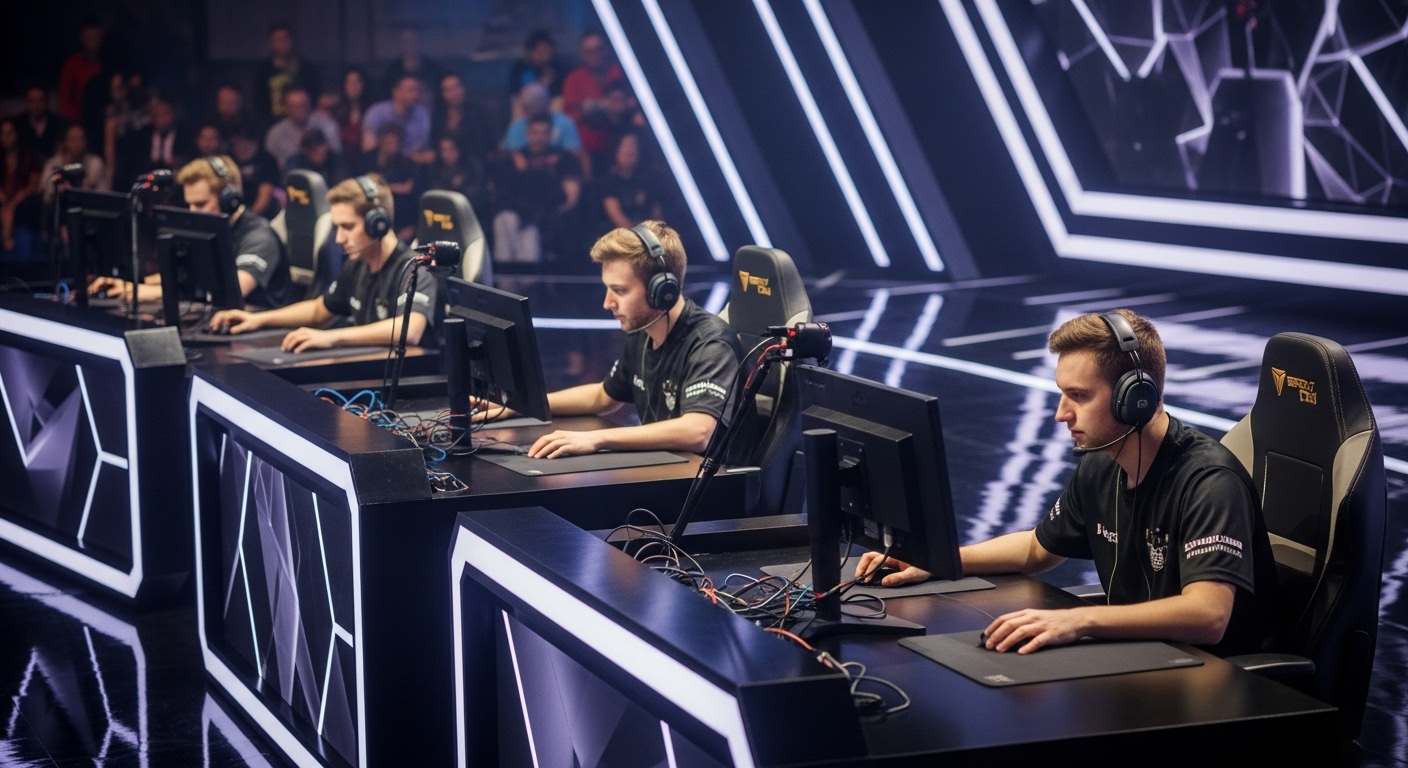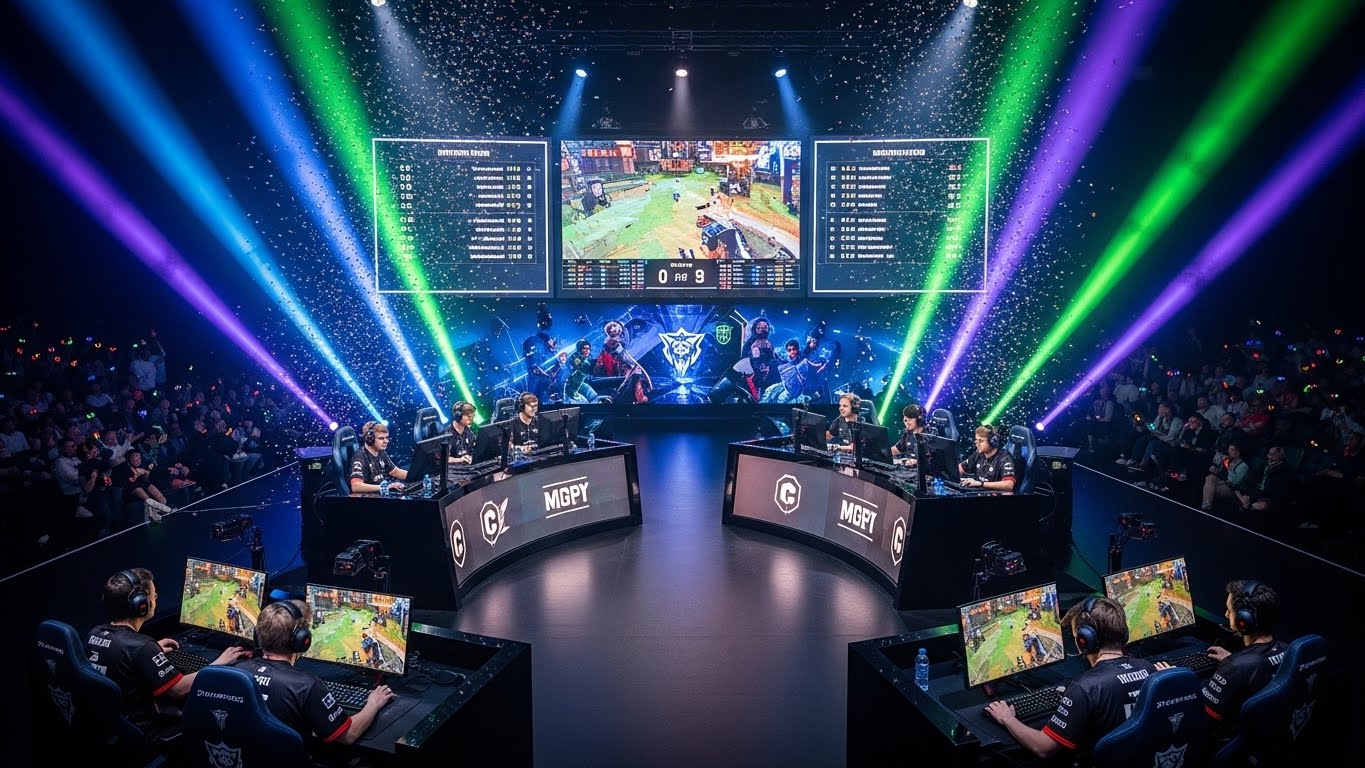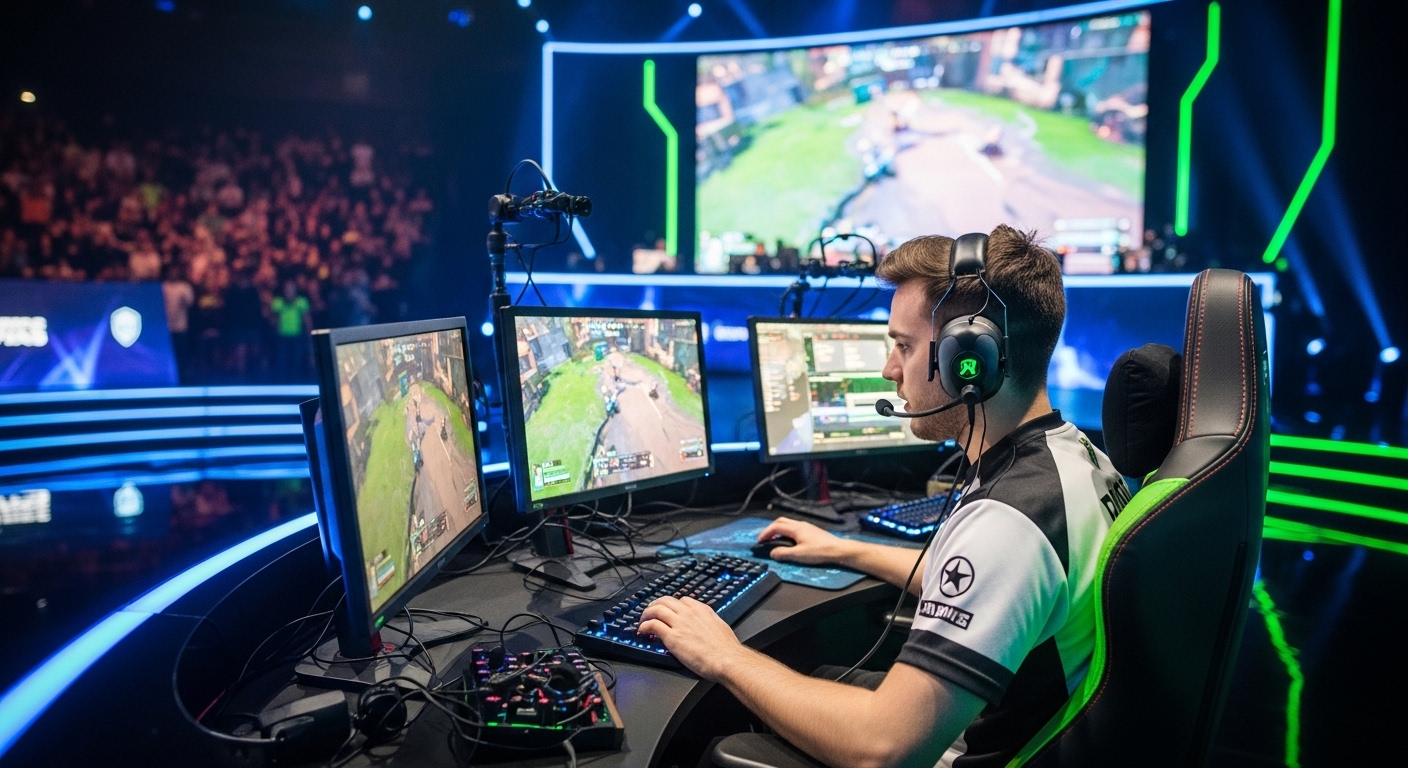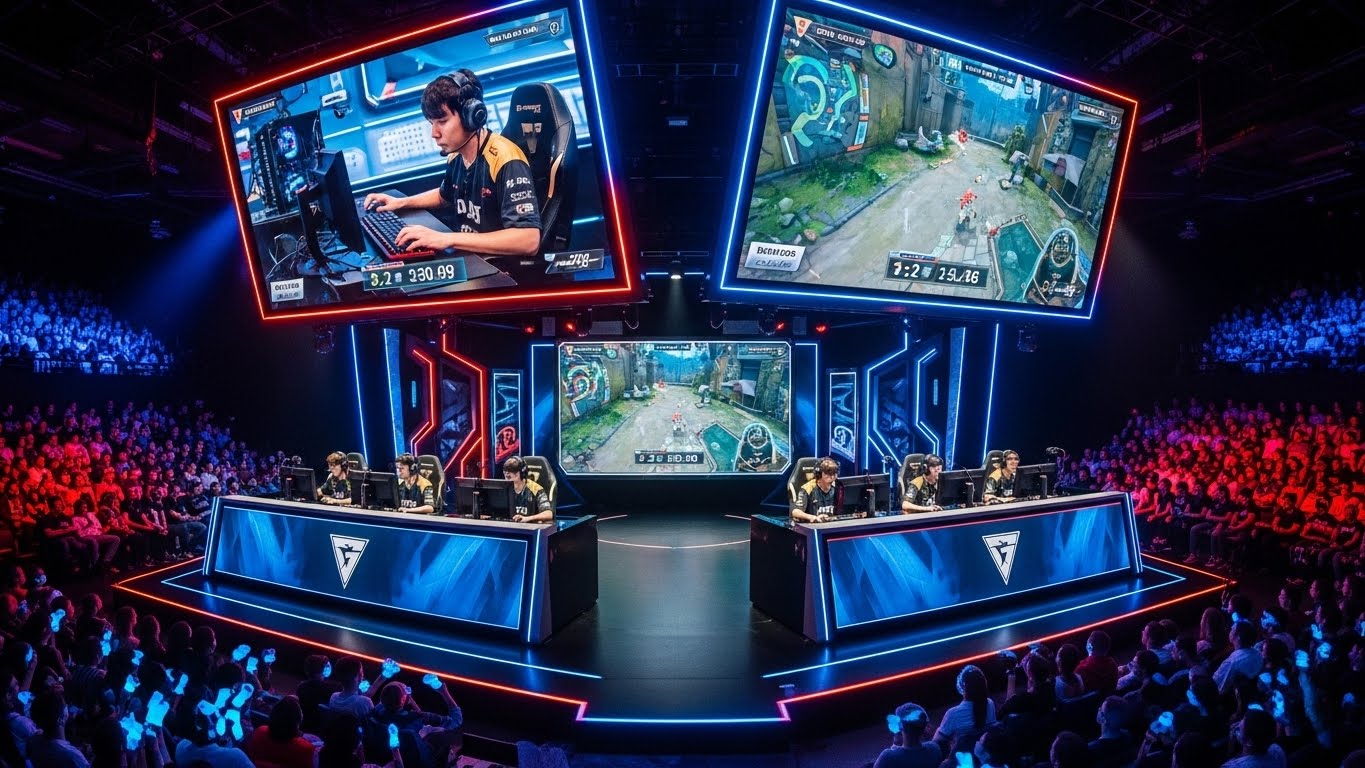
Esports, or electronic sports, is no longer a niche activity enjoyed only by hardcore gamers in basements and living rooms. Today, it has grown into a billion-dollar industry with millions of fans, professional players, and major sponsors. What was once a small subculture has exploded into a global phenomenon, with tournaments held in massive arenas, broadcasted to millions of viewers online, and even becoming a recognized career path for young athletes. Esports is transforming the world of competitive gaming, entertainment, and even mainstream sports culture.
In this blog post, we’ll explore the evolution of esports, its current impact on global entertainment, and what the future holds for this rapidly growing industry. Whether you’re a casual gamer, an esports fan, or someone new to the scene, this post will give you a comprehensive look at why esports is here to stay.
What Exactly Is Esports?
At its core, esports refers to organized, multiplayer video game competitions, particularly between professional players, teams, or organizations. Unlike casual gaming, where players may engage in games for fun or recreation, esports is competitive by nature. Professional players train rigorously, often competing in leagues and tournaments that can lead to significant cash prizes, sponsorship deals, and even endorsement contracts.
Esports spans a wide variety of games, from real-time strategy (RTS) games like StarCraft II, to multiplayer online battle arena (MOBA) games like League of Legends, first-person shooters (FPS) like Counter-Strike or Call of Duty, and even sports simulation games like FIFA or NBA 2K. The most popular esports games have massive, dedicated fan bases, with millions of people watching live broadcasts of tournaments, following their favorite players or teams, and even participating in online qualifiers or community events.
The Early Days: From LAN Parties to Online Tournaments
The origins of esports can be traced back to the 1990s, a time when competitive gaming was still very much in its infancy. Early esports tournaments were held in local area networks (LANs), where players would gather in the same physical location to compete against one another. These LAN parties were small, community-driven events, but they laid the foundation for what would eventually grow into a global industry.
The late 1990s and early 2000s saw the rise of more organized tournaments and the introduction of online multiplayer gaming. Titles like Quake, StarCraft, and Warcraft III were pivotal in transitioning competitive gaming from local gatherings to large-scale online competitions. As internet speeds improved and gaming platforms became more accessible, players from all over the world could compete against one another without leaving their homes.
By the mid-2000s, esports had expanded from regional LAN tournaments to international competitions. Games like Counter-Strike and League of Legends saw significant growth in player bases and were being broadcast online, with platforms like Twitch gaining traction as a place for gamers to stream their gameplay and interact with fans.
The Rise of Esports as a Profession
As esports grew in popularity, it evolved from a hobbyist activity to a legitimate profession. In the early days, players often had to work part-time jobs or attend school while competing in tournaments. However, as the prize money and sponsorship opportunities grew, competitive gaming started to become a viable career path.
By the 2010s, large esports organizations began to form, offering players salaries, training facilities, and dedicated coaching staff. This shift marked the beginning of the “professionalization” of esports, with players dedicating themselves full-time to their craft, much like athletes in traditional sports.
The rise of esports as a profession also brought with it the emergence of esports leagues and tournaments with significant prize pools. One of the most notable examples of this is The International, the annual Dota 2 tournament hosted by Valve. With prize pools consistently exceeding $30 million, The International became a symbol of how lucrative esports can be, attracting talent from around the globe.
Beyond the prize money, esports players began to gain sponsorship deals with major brands. Companies like Intel, Red Bull, and Coca-Cola started investing heavily in esports, seeing it as an untapped market with a young, engaged audience. Professional teams also began to sign sponsorship deals with gaming hardware manufacturers, energy drink companies, and apparel brands, further cementing esports as a serious industry.
Esports as a Spectator Sport: A New Era of Entertainment
While esports has grown immensely in terms of participation, one of its most impressive developments has been its transformation into a spectator sport. In fact, esports has become one of the fastest-growing forms of entertainment, with major esports events regularly drawing audiences in the millions.
One of the key drivers of esports’ rise as a spectator sport is live streaming platforms like Twitch and YouTube Gaming. These platforms allow viewers to watch professional players and teams in action, follow live tournaments, and engage with the community through live chat. In fact, Twitch alone boasts over 15 million daily active users, many of whom are dedicated esports fans watching their favorite players or teams compete.
Esports tournaments are often broadcast in stadiums, where fans can watch the action live on massive screens, cheering for their favorite teams. Games like League of Legends, Overwatch, and Fortnite have drawn tens of thousands of spectators to physical arenas, with some events selling out within hours of tickets going on sale. The sheer scale of these events, combined with the energy and excitement of the crowd, has drawn comparisons to traditional sports events like the Super Bowl or the World Cup.
Additionally, esports has begun to integrate elements of traditional sports broadcasting, such as live commentary, analysis, and even halftime shows. Broadcasters like ESPN, TBS, and ABC have started to air esports tournaments on television, bringing the sport to a wider audience beyond the digital realm.
Esports and the Younger Generation
One of the most significant aspects of esports is its popularity among younger generations. Millennials and Gen Z have grown up with gaming as a central part of their lives, and many view esports not just as entertainment but as a natural extension of their passion for video games.
In fact, esports has become a major part of youth culture, with school and college esports teams becoming increasingly common. In the United States, high schools and universities have begun to offer esports scholarships, recognizing competitive gaming as a legitimate athletic pursuit. In some cases, esports programs have grown large enough to compete at the national level, with students receiving academic credit and financial support for their participation.
Moreover, esports has fostered a global sense of community, with fans from different countries and cultures coming together to support their favorite players and teams. This sense of belonging and shared passion is one of the core reasons esports has become so popular, particularly among young people.
The Role of Technology in Esports Growth
As esports continues to expand, technology plays a critical role in shaping its growth and development. From the hardware used by professional players to the platforms that host tournaments, technological advancements have made it possible for esports to reach new heights.
High-speed internet, powerful gaming PCs, and low-latency gaming peripherals allow players to compete at their highest level, while streaming platforms provide fans with access to content at any time and from anywhere. Moreover, virtual reality (VR) and augmented reality (AR) technologies are being explored for potential use in esports, offering new ways to engage both players and viewers.
5G technology, for instance, is expected to revolutionize esports by providing even faster and more reliable internet connections. This could enable smoother gameplay and improve the streaming experience for viewers, allowing esports to reach even more people around the world.
The Future of Esports: What’s Next?
As esports continues to grow, the future of the industry is filled with exciting possibilities. We can expect to see further integration of esports into mainstream culture, with esports tournaments becoming as widely recognized as traditional sports events. The growth of virtual and augmented reality could lead to entirely new formats for competitive gaming, while advancements in streaming technology could make esports more immersive and accessible than ever before.
One of the most promising developments for the future of esports is the potential inclusion of esports in the Olympic Games. Although the International Olympic Committee has expressed interest in esports, there is still much debate about how competitive gaming would fit into the Olympic model. However, with the rapid rise of esports as a global phenomenon, it’s only a matter of time before we see esports in the Olympics, marking a new chapter in the sport’s history.
The continued professionalization of esports, with bigger prize pools, higher salaries for players, and even more corporate sponsorships, is also likely to attract even more talent and investment into the industry. This influx of resources will help esports grow in both scale and quality, providing more opportunities for players, teams, and fans alike.
Conclusion: Esports Is Here to Stay
Esports is no longer a niche interest—it’s a global entertainment industry that continues to grow and evolve at an astonishing pace. From its humble beginnings as local LAN parties to its current status as a billion-dollar industry with professional players, sponsors, and millions of fans, esports has proven that it’s more than just a passing trend.
As technology continues to advance and the global audience for esports continues to expand, the future of competitive gaming looks bright. Whether you’re an aspiring player, a dedicated fan, or just curious about the world of esports, it’s clear that this digital revolution is far from over. The future of gaming is esports, and it’s a future we’re all a part of.