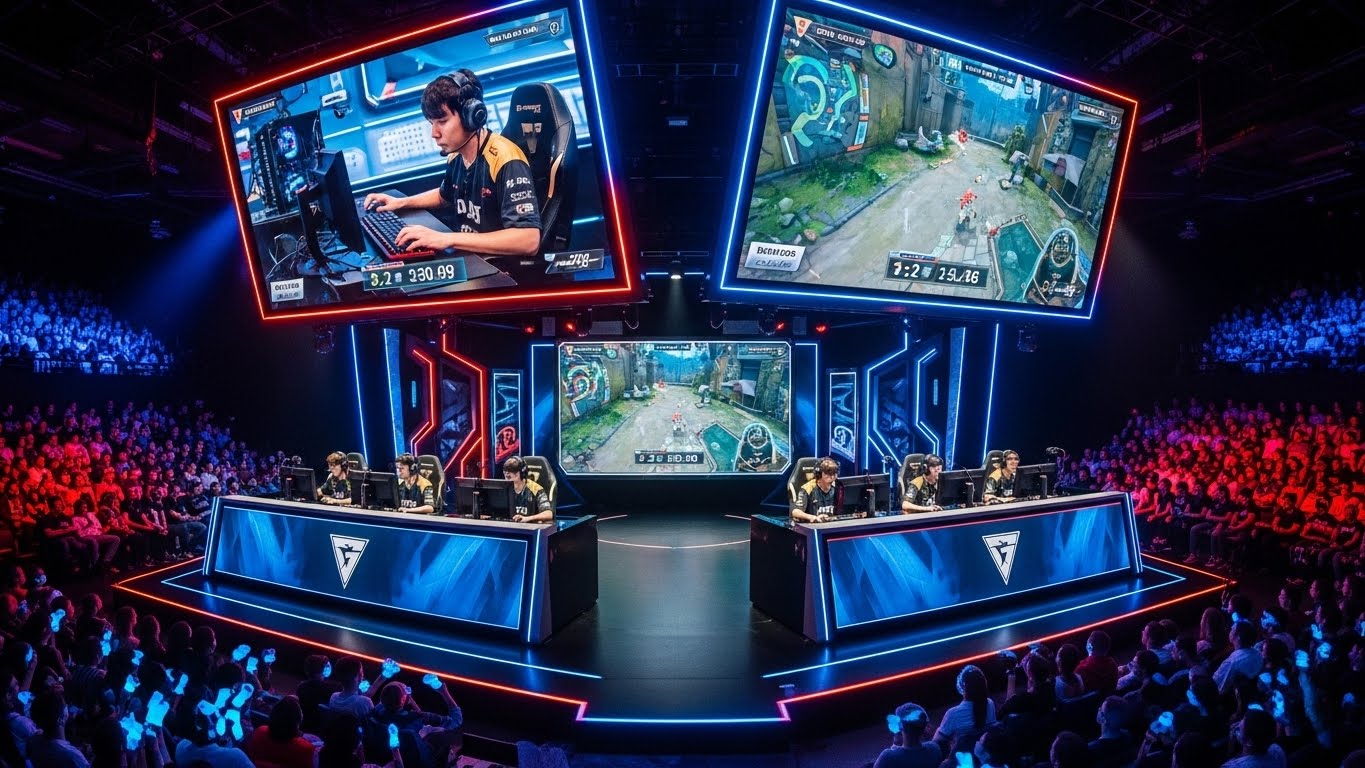
The world of esports is often celebrated for its incredible displays of skill, teamwork, and competition. Millions tune in to watch players from around the globe battle for prestige and prize money across games like League of Legends, Dota 2, Counter-Strike, and many others. But behind the flashing lights and roaring crowds lies another, more compassionate side of the industry—one driven by generosity, empathy, and social responsibility.
Over the years, the esports community has repeatedly come together to make a real difference in the world. Whether through charity tournaments, player-driven campaigns, or community-led fundraising streams, esports has proven that digital competition can also be a force for good. The power of gaming, when combined with a united global audience, has the ability to change lives.
This blog explores the best charitable acts in esports, the players and organizations leading these initiatives, and the lasting impact they have had on both the gaming community and society at large.
The Spirit of Giving in Esports
Charity has always been part of gaming culture. Even before esports reached the global stage, players and communities found ways to use their shared passion to help others. With the rise of streaming and online tournaments, it became easier than ever to organize events that raised money for important causes.
The spirit of giving in esports is unique because it is driven by community participation. Fans are not just passive viewers; they are active contributors. Whether donating during live streams, purchasing in-game charity items, or attending special tournaments, they form the heart of every successful charity effort.
The inclusivity of gaming also plays a role. Esports transcends borders, languages, and backgrounds. It unites people from all walks of life, and that same unity extends to charity work. When a major cause emerges, the esports world responds with energy and creativity, using its platforms to amplify awareness and inspire action.
League of Legends and the Power of Global Unity
League of Legends is one of the biggest names in esports, and its publisher, Riot Games, has long been recognized for its commitment to giving back. Through the company’s Social Impact Fund, Riot has raised millions of dollars for global charities.
One of the most successful initiatives came through the sale of in-game charity skins. Riot introduced special cosmetics where a portion of the proceeds went directly to non-profit organizations around the world. Players could support causes such as education, mental health, disaster relief, and environmental protection simply by purchasing in-game items.
The most iconic example was the “Dark Star Cho’Gath” skin, designed in collaboration with a player from the League of Legends community. It raised hundreds of thousands of dollars for medical charities, showcasing how a single in-game item could make a tangible difference in real life.
Beyond in-game efforts, League of Legends tournaments have often included charity showcases and donation drives, further strengthening the bond between competition and compassion.
The International: Dota 2’s Commitment to Global Causes
Few esports events are as legendary as Dota 2’s The International. Known for its enormous prize pools, funded largely by the community through in-game purchases, it has also become a beacon of charitable giving. Valve and the Dota community have repeatedly used the game’s popularity to support various causes worldwide.
A particularly touching example occurred when Dota 2 players and fans raised significant funds for disaster relief in the wake of natural catastrophes. Whether responding to earthquakes, floods, or pandemics, the Dota 2 community has always been quick to mobilize.
Professional teams, too, have stepped up for charity. During off-seasons and special events, Dota players often participate in exhibition matches, with all proceeds going to humanitarian organizations. This tradition reinforces the idea that while competition fuels esports, compassion defines its heart.
Overwatch League and the Pink Mercy Phenomenon
One of the most memorable charitable acts in esports came from Blizzard Entertainment’s Overwatch community. In 2018, the company introduced a special in-game skin called “Pink Mercy” to support breast cancer research. The initiative was part of a collaboration with the Breast Cancer Research Foundation, and it quickly became a global sensation.
Players around the world rallied to purchase the skin, not only to support the cause but also to show unity within the gaming community. Within a few weeks, the campaign raised millions of dollars, setting records for one of the largest charitable contributions in esports history.
The event showed how in-game cosmetics, often viewed as simple customization options, could become powerful tools for real-world impact. More importantly, it proved that gamers were willing to come together for a greater purpose.
Gamers Without Borders: A Global Humanitarian Effort
One of the most impactful charity tournaments in esports history is the Gamers Without Borders series. Organized by the Saudi Esports Federation, this global event gathers professional players and top-tier teams to compete for massive prize pools—all of which are donated to international humanitarian organizations.
Gamers Without Borders has raised tens of millions of dollars for medical research, vaccination campaigns, education initiatives, and disaster relief programs. The tournament’s tagline, “Play for a Cause,” perfectly captures its mission.
What makes this event stand out is its scale and inclusivity. Players from multiple disciplines—whether they compete in Fortnite, Rocket League, or Rainbow Six Siege—come together to represent both their countries and charitable causes. The event demonstrates how esports can unite the world not only through entertainment but through compassion and philanthropy.
Fortnite and Its Community-Driven Generosity
Fortnite, known for its massive popularity and cultural influence, has also become a major player in gaming philanthropy. Epic Games and its fanbase have consistently supported charitable causes through in-game events, tournaments, and donations.
In 2022, Epic Games announced that all proceeds from Fortnite purchases during a two-week period would go directly to humanitarian relief efforts in Ukraine. The initiative raised hundreds of millions of dollars in record time, showing just how powerful the gaming community can be when united for a cause.
Fortnite streamers and creators also regularly host charity marathons, where they play the game for extended periods to encourage donations. These personal initiatives, combined with corporate efforts, have helped Fortnite become one of the most charitable forces in modern esports.
Streamers and Charity Marathons
Beyond official tournaments and developers, individual players and streamers have been the driving force behind many of the greatest acts of generosity in esports. Platforms like Twitch and YouTube Gaming have made it easy for content creators to host charity streams, where fans donate money to causes while enjoying entertainment in real time.
Events such as Z Event in France, Extra Life in North America, and GuardianCon (now known as GCX) have raised tens of millions for hospitals, children’s charities, and disaster relief funds. Streamers play a key role in mobilizing audiences that traditional fundraising efforts often cannot reach.
These charity streams often include challenges, incentives, and community participation. Fans might donate to make the streamer perform certain in-game actions, creating a fun and interactive way to raise money for serious causes. This creative blend of entertainment and empathy has become a defining feature of esports and gaming culture.
Team and Organization-Led Initiatives
Professional esports organizations have also made philanthropy a central part of their identity. Teams like Cloud9, Team Liquid, FaZe Clan, and 100 Thieves have all supported various charitable campaigns, ranging from mental health awareness to environmental protection.
During the COVID-19 pandemic, several esports organizations came together to support frontline workers. They donated medical supplies, organized online charity tournaments, and provided financial support to struggling communities. This unified response showed the strength and compassion of the global esports ecosystem.
Many teams now integrate charity work into their annual calendars, hosting fundraising events or collaborating with non-profits. For these organizations, giving back is not just a one-time gesture—it is part of their long-term mission to use their influence for good.
Fighting for Mental Health Awareness
Mental health is a topic that has gained significant attention in recent years, both within and beyond esports. The pressure of competition, long practice hours, and public scrutiny can take a toll on professional players. Recognizing this, many players and organizations have turned their focus to raising awareness and supporting mental health initiatives.
Esports stars have shared their personal struggles to encourage others to seek help. Campaigns such as mental wellness streams, charity partnerships with mental health organizations, and educational programs have helped reduce stigma and promote well-being in gaming communities.
The gaming audience, largely composed of young adults, benefits immensely from these initiatives. They show that strength is not just about performance but also about caring for oneself and others. This compassionate approach has become one of the most inspiring developments in modern esports philanthropy.
Disaster Relief and Humanitarian Efforts
Whenever the world faces a major crisis, the esports community responds. From natural disasters to global health emergencies, gamers have repeatedly mobilized to provide aid. Fundraising tournaments and community drives have supported victims of earthquakes, hurricanes, and other tragedies across continents.
The COVID-19 pandemic was a defining moment for esports philanthropy. With traditional sports halted and people confined to their homes, esports became a primary form of entertainment—and a powerful tool for relief. Numerous charity events were held to raise money for hospitals, vaccine research, and food distribution programs.
These efforts demonstrated the adaptability and compassion of the gaming world. Even in isolation, esports found ways to connect people and make a difference.
Women in Esports Leading the Way in Charity
Women in esports have also played an essential role in championing charitable causes. Female streamers, players, and community leaders have organized campaigns for gender equality, education for young girls, and domestic violence prevention. Their leadership showcases the diversity and inclusiveness of the esports community.
Events dedicated to empowering women in gaming often include charity elements, turning awareness campaigns into fundraising successes. These initiatives help not only to promote equality in esports but also to improve lives beyond the gaming world.
The growing number of female voices in esports philanthropy reflects a broader cultural shift—one where compassion, representation, and social justice are central to the industry’s future.
The Lasting Impact of Esports Philanthropy
What makes charitable acts in esports so powerful is not just the money raised, but the awareness and community spirit they generate. Every charity stream, every in-game skin, and every tournament for a cause strengthens the bond between fans and players.
These acts show the world that gaming is more than just entertainment—it is a platform for change. Esports has the unique ability to reach millions of people instantly, inspire action, and turn digital engagement into real-world results. The fact that so many players, fans, and organizations continue to give back proves that empathy is at the core of gaming culture.
The Future of Charity in Esports
As esports continues to expand, the potential for charitable impact grows even greater. With advancements in technology, future charity campaigns may become even more interactive and immersive. Virtual reality charity events, blockchain-based donation systems, and global cross-game tournaments could redefine how esports contributes to social causes.
We can expect more developers and teams to integrate charity directly into their platforms. Instead of occasional events, giving back may become a constant feature of gaming ecosystems. For fans, this means every game played, every purchase made, and every event watched could help make the world a better place.
Esports has already shown its capacity for kindness. Its future lies in continuing to harness that energy—not only to entertain but to heal, empower, and uplift communities everywhere.
Conclusion
The best charitable acts in esports remind us that behind every screen, there are real people with compassion and purpose. From massive global campaigns like Gamers Without Borders and Pink Mercy to small community-driven streams, every effort contributes to a shared vision of empathy and unity.
Esports has grown far beyond its competitive roots. It has become a cultural force capable of changing lives, spreading awareness, and inspiring millions to act for good. The global gaming community, once underestimated, now stands as one of the most active contributors to charitable work in the digital era.
As the industry continues to evolve, its generosity will remain one of its greatest legacies. In the arena of esports, victory is not only measured by trophies and titles—but also by the positive impact it leaves on the world.