Introduction
Esports, or electronic sports, has become one of the fastest-growing industries of the 21st century. What was once a casual hobby has now evolved into a professional and competitive field that attracts millions of players and fans across the globe. The rise of esports represents not just a shift in how people play games but also how society views technology, teamwork, and competition.
The Beginning of Esports
The journey of esports started in the early days of video gaming when small competitions were held among friends and gaming communities. As technology advanced, so did the nature of gaming. The introduction of the internet allowed players from different parts of the world to connect and compete. Over time, games such as Dota 2, League of Legends, and Counter-Strike helped shape esports into a structured and organized form of entertainment. These games laid the foundation for the massive tournaments and leagues we see today.
The Rise of Professional Players
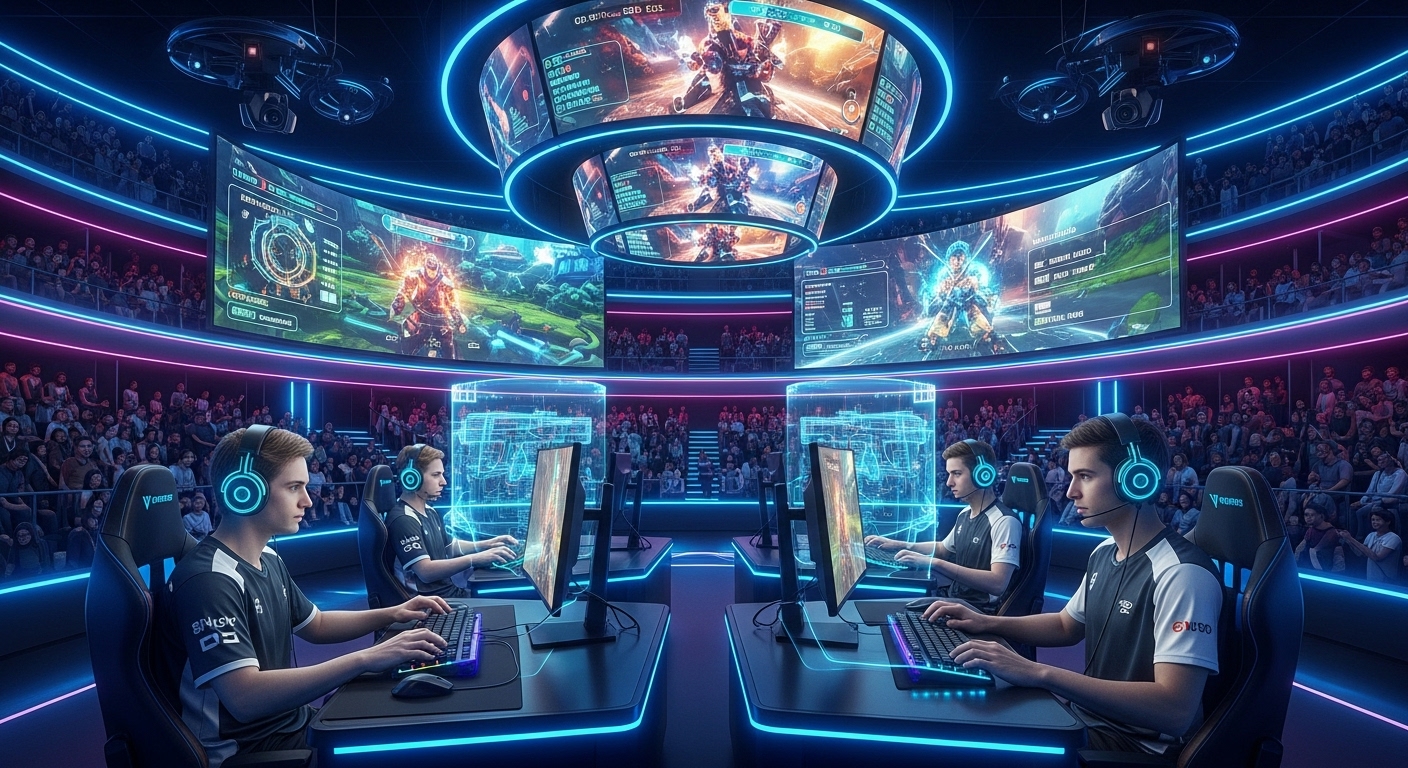
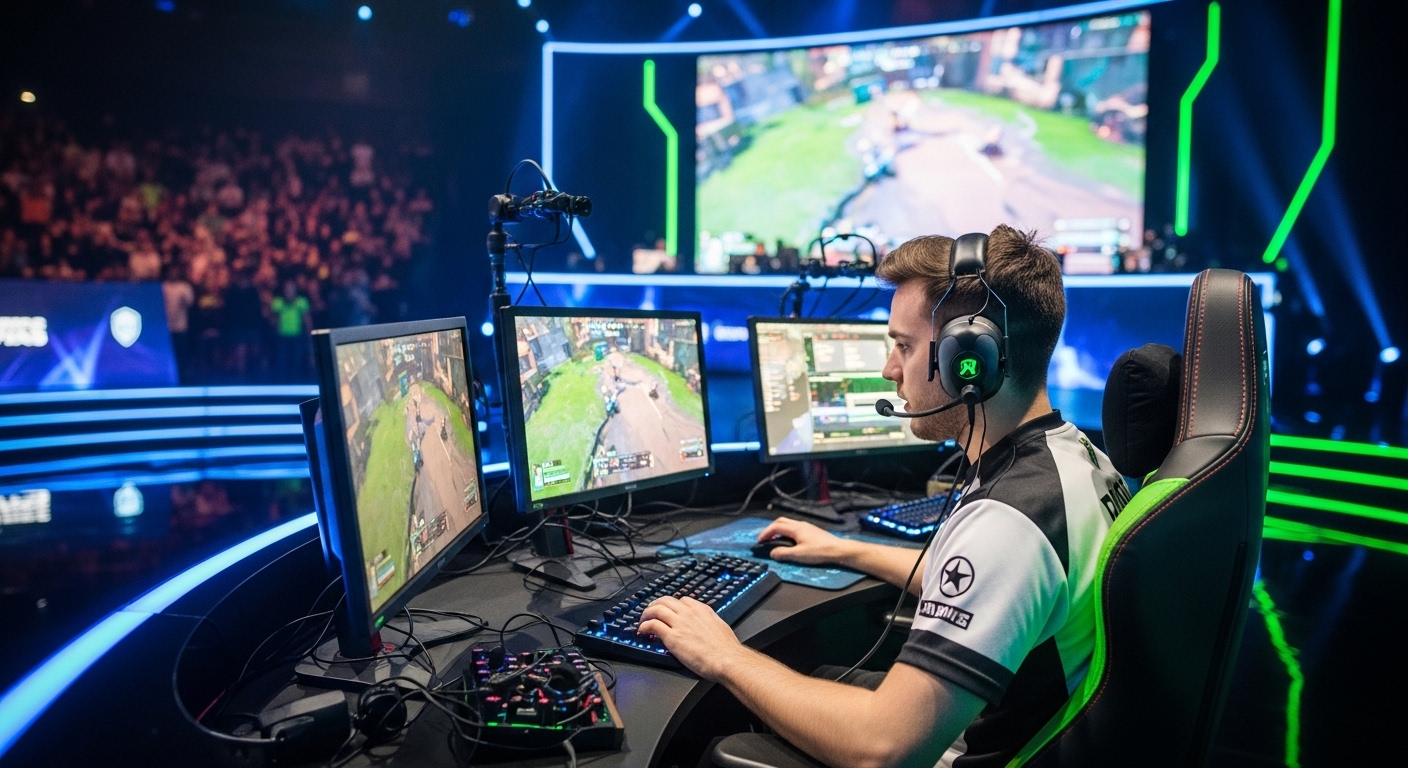
Esports has given birth to a new generation of athletes—digital athletes. Professional players train for long hours every day, developing their reflexes, strategies, and communication skills. Success in esports is not based on luck but on hard work, focus, and dedication. Teams are managed like professional sports clubs, complete with coaches, analysts, and support staff who ensure the players perform at their highest level. Many esports athletes enjoy global fame and earn significant income through competitions, sponsorships, and streaming.
The Esports Industry and Its Growth
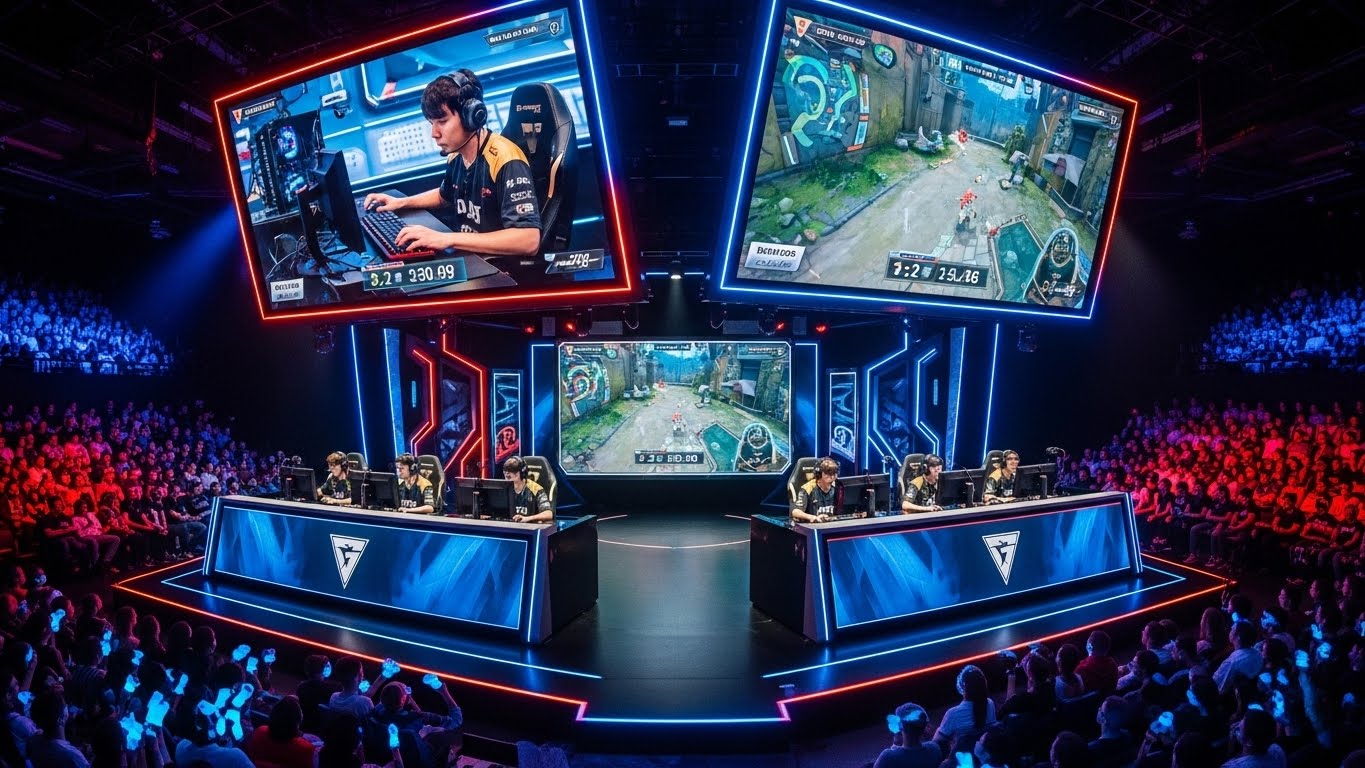
The global esports industry is worth billions of dollars and continues to expand rapidly. It has created numerous job opportunities beyond just gaming, including careers in event management, broadcasting, marketing, and game design. Major tournaments are held in large arenas, drawing thousands of spectators and millions of online viewers. Esports has also become a key attraction for brands, leading to sponsorship deals and media coverage that rival traditional sports.
Esports and Education
Esports is now being recognized as an educational and career path. Schools and universities have started offering programs and scholarships for students who excel in gaming and related fields. This move helps students develop valuable life skills such as leadership, teamwork, problem-solving, and time management. Esports in education also opens up opportunities for those interested in game development, psychology, and business management.
The Cultural Impact of Esports
Esports has become more than just a competition—it is a cultural movement. It brings together people from diverse backgrounds, languages, and regions who share a common passion for gaming. It promotes social interaction, teamwork, and creativity. Through esports, players and fans connect globally, forming communities that support and celebrate the spirit of competition.
The Future of Esports
The future of esports looks promising as technology continues to advance. With the rise of virtual reality, artificial intelligence, and faster internet connections, the experience of gaming will become even more immersive and interactive. Esports could soon become a part of major international sporting events and continue to bridge the gap between physical and digital competition.
Conclusion
Esports has transformed gaming into a respected and professional field that inspires millions around the world. It represents innovation, dedication, and unity in the digital age. As the industry continues to grow, it will keep influencing entertainment, education, and global culture. Esports is not just the future of gaming—it is the future of sports itself.