The rise of esports in the Middle East no longer reads like a promise — it reads like a plan that’s already in motion. From state-backed festivals with massive prize pools to venture capital pouring into local studios and infrastructure, the region has become one of the fastest-moving growth corridors in gaming and competitive play. This post unpacks why the Middle East is suddenly on every esports executive’s radar, what’s driving the surge, who the major players are, where the money is flowing, and what the future likely looks like for players, organizers, brands, and fans.
Quick snapshot: market scale and momentum
The Middle East gaming and esports market is expanding rapidly. Industry research shows the Middle East gaming market was valued in the low billions in 2024 and is projected to grow strongly over the coming years — with some forecasts estimating a double-digit CAGR through the next half decade. Large government and sovereign-wealth investments, a young and digitally native population, and a push to diversify economies away from oil have combined to create favorable conditions for fast growth.
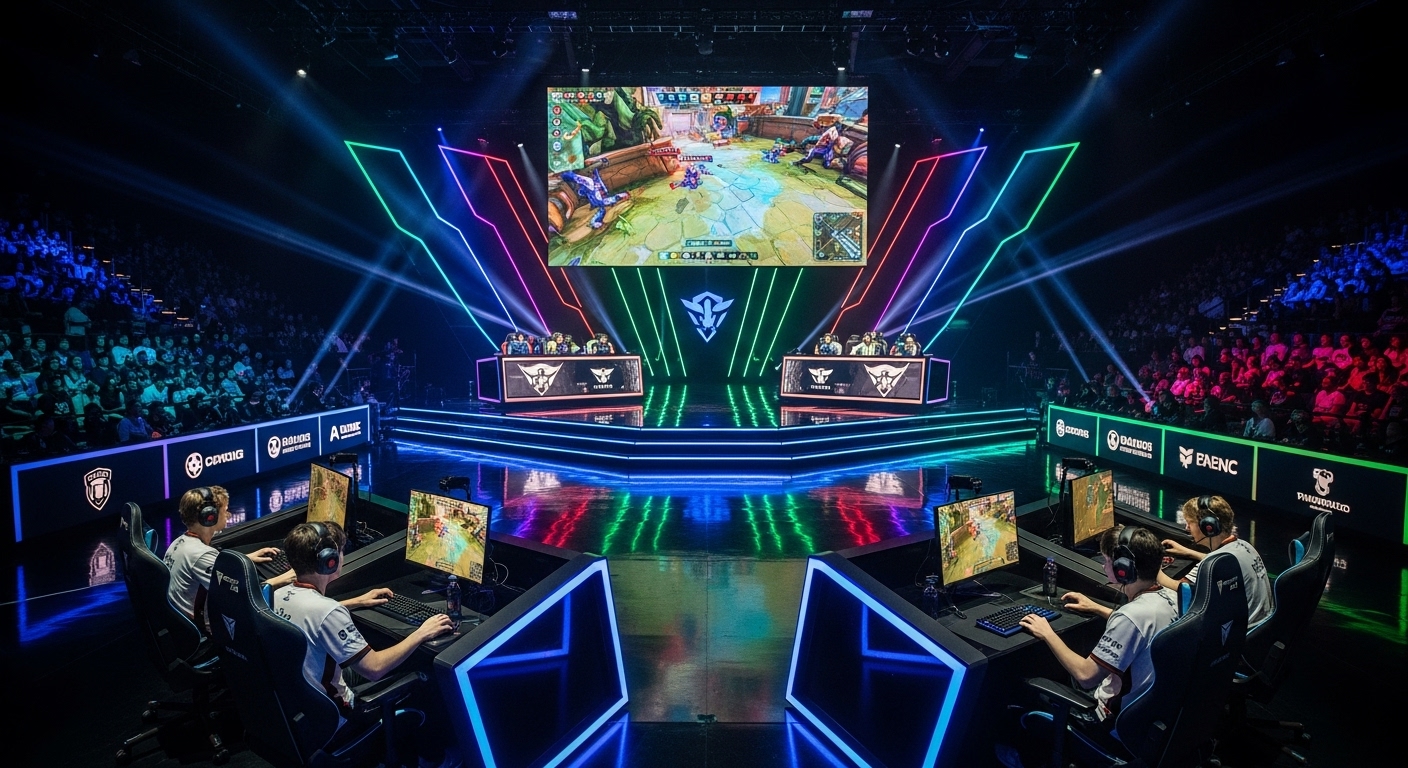
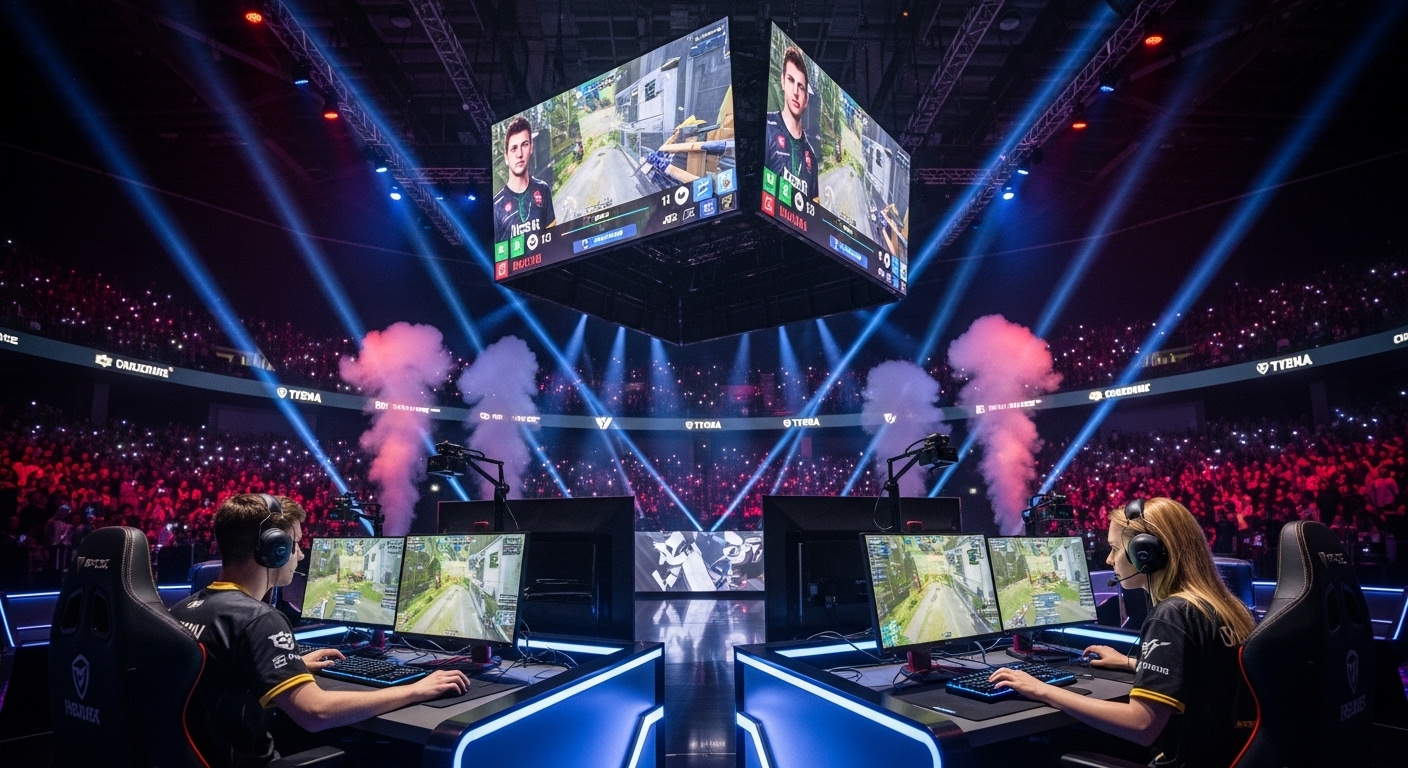
On the events side, Saudi Arabia has become a focal point: marquee festivals like Gamers8 have drawn huge audiences and international teams, while the Esports World Cup and other state-linked launches are backing prize pools that dwarf conventional regional events. In 2025, the Esports World Cup announced an eye-watering prize pool in the tens of millions — a signal of how high the stakes have become
Why now? Five drivers powering the rise
1. Strategic, state-level investments
Several Gulf states — especially Saudi Arabia and the UAE — have deliberately targeted gaming and esports as pillars of post-oil economic diversification. Sovereign wealth funds, government festivals, and public-private partnerships are underwriting infrastructure (arenas, studios), events, and media initiatives at a scale the region hasn’t seen before. These investments speed up market creation by reducing risk for private investors and attracting global talent and operators.
2. A large, young, digitally native audience
Youthful demographics and high internet and smartphone penetration make the MENA region a natural home for gaming. Young people in the region adopt mobile games and streaming quickly — creating a large user base that drives advertiser interest and sponsorship revenues.
3. Festivalization of esports — live shows + music + culture
Events are being presented not just as tournaments but as broad entertainment festivals with music, influencer content, and lifestyle components. This hybrid model increases mainstream appeal, drives ticket sales, and attracts non-endemic sponsors (automotive, fashion, telecoms).
4. Localization and mobile first
Many Middle Eastern gamers prefer mobile experiences; publishers and developers are responding with localized content and regional publishing deals. Mobile esports and mobile-native titles therefore play a disproportionately important role in the local competitive scene.
5. Global ecosystem entrants
Big international orgs, publishers, and tournament operators (ESL, FACEIT, Riot, etc.) are partnering with regional actors rather than competing from afar. These alliances fast-track professionalism, production quality, and broadcast distribution.
Case study: Saudi Arabia — the accelerator
If you want a single example of the region’s push, Saudi Arabia is it. Under Vision 2030, the Kingdom has treated gaming and esports as a priority sector. High-profile festivals like Gamers8 — combining esports tournaments, concerts, and fan experiences — have already demonstrated global reach and production scale. Gamers8’s multi-title events and large prize pools attracted top teams and multi-million-viewer watch times. Meanwhile, the Esports World Cup’s multi-million prize pools and announcements about large multi-year event commitments have solidified Saudi Arabia’s role as a global hub for staged esports competition. These moves are designed to attract tourism, global media, and talent — while signaling to studios and publishers that there is a deep pocketed market to invest in
Beyond events, the Kingdom has also been building talent pipelines (academies, scholarships), broadcasting infrastructure, and financial incentives to host international tournaments — a full stack approach that shortens the runway for market maturity.
Big numbers that matter (sources & takeaways)
• Research firms estimate the Middle East gaming market value in 2024 at several billion USD, with forecasts projecting robust year-over-year growth through 2030 — making the region one of the faster-growing global markets.
• Global industry trackers place the global games market near the $180–190B range in 2024, underlining that the Middle East’s growth is happening inside a still-expanding global industry.
• On the event side, organizers in the region now offer prize pools and production budgets that compete with established global majors — elevating the region from “emergin
The ecosystem: players, publishers, organizers, and platforms
Leagues and tournament organizers
Global operators are collaborating with regional outlets and federations to run events. These partnerships bring broadcast know-how, pro team relationships, and production standards — crucial for bringing premium sponsorship deals.
Teams and talent
Regional orgs are forming and also partnering with international teams. The talent pool is maturing: local amateur scenes feed into semi-pro and pro rosters, and several talent development programs (bootcamps, academies) are being created or sponsored by federations and brands.
Publishers and game titles
While PC and console remain important, mobile esports titles have especially strong adoption in MENA. Publishers are localizing content and sometimes running region-specific leagues or qualifiers.
Media and streaming
Regional broadcasters and local streaming platforms are improving coverage quality and channel reach. Mainstream media outlets frequently cover major events, especially when those events include music and tourism tie-ins.
Supporting industries
A growing market for peripherals, branded merchandise, event production, and esports hospitality has followed the rise in tournaments. Agencies specializing in influencer marketing and esports sponsorships are also expanding.
Brand and sponsor interest: endemic and non-endemic dollars
As events scale, so do sponsorship opportunities. Endemic brands (hardware, peripherals, publishers) continue to invest, but an important trend is the rise of non-endemic sponsors — telecom operators, banks, automotive brands, and even tourism boards. The festival model (esports + concerts + fan activations) makes it easier to pitch broad consumer brands that want large on-site impressions and cross-category audience reach.
The commercial case is straightforward: sponsors get youthful, engaged audiences; broadcasters get sellable ad inventory; organizers get reliable revenue streams; and regulators see economic benefits.
Grassroots and talent development
Sustainable growth depends on developing players, casters, refs, and coaches. Across the region we’re seeing:
- University and school clubs taking esports more seriously (with scholarships and campus leagues).
- Federations and private orgs setting up academies and bootcamps.
- Local qualifiers and amateur circuits feeding regional pro events.
This pipeline helps avoid a “flash in the pan” scenario where events attract attention but leave behind no local community or talent. It’s also an essential piece of the value chain investors look at when choosing where to deploy capital.
Infrastructure: arenas, internet, and production
High-quality live production requires physical venues, broadcast tech, and strong connectivity. Governments and private investors are building multipurpose arenas, broadcast centers, and content production hubs. Improvements in broadband and 5G deployments across urban centers make remote play and high-quality streaming more reliable — enabling global distribution of MENA events.
Challenges & criticisms
The boom is not without complications.
1. Reliance on state or sovereign capital
Heavy dependence on public funds can be a double-edged sword. It accelerates growth but could create fragility if priorities change. Long-term ecosystem health will require private investment and viable commercial models.
2. Reputation and geopolitics
High-profile investments sometimes attract criticism related to broader geopolitical or human-rights questions. Some observers frame certain events as attempts to use culture and sport to improve national images. Organizers and international partners must navigate these reputational issues carefully.
3. Talent retention and career pathways
While tournaments attract stars, building long careers for players, coaches, and off-field staff requires sustained revenue from sponsorships, league deals, and media rights.
4. Regulation and market fragmentation
Regulatory environments differ across the region. Issues like age restrictions, gambling/ betting regulation, and content moderation require careful navigation. A harmonized regulatory approach could help scale cross-border leagues, but political realities make that difficult.
Opportunities for the global esports ecosystem
- Localized content production — there’s an opening for studios that can produce Arabic/ localized content and broadcast formats that speak to regional culture.
- Talent exchange & education — partnerships between Western and MENA orgs to run academies and coaching clinics.
- Mobile esports innovation — the region can be a testing ground for mobile-first esports monetization and tournament systems.
- Tourism and entertainment integration — bundling esports with music, culture, and tourism experiences creates new event templates that can be exported.
- Investment into game development — as revenues grow, expect more funding flowing into local or regional studios building culturally resonant titles.
What brands and organizers should watch
If you’re a brand, team owner, or investor, watch four indicators:
- Sponsorship depth — Are deals longer-term and multi-tiered (naming rights, activations), or one-off activations? Deeper sponsorships indicate a maturing commercial market.
- Local viewership trends — Growth in regional streaming hours and local broadcast deals is a sign that content is finding audience fit.
- Private capital participation — Increasing private VC, publisher, and media investment reduces dependency on public money and signals sustainable market economics.
- Regulatory clarity — Positive moves towards clearer esports and gaming policy in key markets reduce political / legal risk.
Predictions — short and medium term
- Short term (1–2 years): The region will keep producing massive events, with attractive prize pools and large attendance. Expect more cross-border qualifiers and international team participation. Broadcast quality will continue to rise. Reuters+1
- Medium term (3–5 years): If organizers can convert event momentum into recurring leagues, localized content, and private investment, the Middle East could support self-sustaining professional ecosystems: homegrown orgs, domestic leagues, media rights deals, and game studios. Market projections suggest considerable upside in market value if current CAGR trends hold. Mordor Intelligence+1
Practical advice for stakeholders
For brands
Think beyond one-off sponsorships. Invest in content partnerships, localized storytelling, and creator collaborations that build long-term affinity.
For teams and players
Prioritize exposure at regional festivals and qualifiers, but also invest time in content creation and community building — these create diversified revenue streams beyond tournament winnings.
For event organizers
Balance spectacle with sustainability. Use festival elements to draw mainstream attention, but build regular league play and community programs to create deeper engagement.
For investors
Look for companies building recurring revenue models (media rights, subscription content, publisher partnerships) rather than one-off event promoters that depend entirely on government subsidies.
Final thoughts: a new chapter for global esports
The Middle East’s esports surge is not a single story about prize pools or flashy events; it’s about a region reshaping how esports is monetized, produced, and presented. Strategic public investment has shortened the time it takes to build global-class events, but long-term success will depend on building sustainable commercial models — private capital, local talent development, repeatable league structures, and content that resonates with regional audiences.