Europe’s esports scene is a patchwork of long-running grassroots traditions, elite pro organizations, national leagues, and massive live events. Unlike regions where one game or one business model dominates, Europe is defined by diversity: different countries favour different games, investment flows through a mix of local teams and pan-European operators, and audiences range from grassroots LAN communities to global live-broadcast viewers. This post breaks the continent down — history, markets, top games and teams, event and broadcast ecosystems, business models, national scenes, regulatory and cultural influences, and where Europe looks likely to head next.
A short history: why Europe is special
Esports in Europe grew from LAN culture. Long before franchised leagues and franchised team slots, European players met in LAN centers and fairs — gatherings like DreamHack in Sweden grew into global phenomena by offering massive LAN experiences, demo halls, and tournaments that mixed competitive play with festival energy. That grassroots DNA still matters: European scenes tend to value local tournaments, open qualifiers, and club-like organizations that compete across several games rather than single, closed leagues.
Business consolidation and platformization have reshaped this older LAN culture into a hybrid: global organizers (tournament operators and platforms) run international circuits and majors, while national leagues and grassroots cups continue to feed talent into the pro pipeline. The result is a resilient, layered ecosystem that supports hobbyists, semi-pros, and elite organizations simultaneously.
Market size and economic context
Europe sits inside the much bigger global games and esports economy — and while exact figures shift yearly, reputable market trackers show the games market and its competitive sub-sector are still growing. Newzoo’s market updates and reports in 2024–2025 underline steady growth in the global games market and offer the best high-level view of where spending and attention are headed. These macro trends matter to esports because sponsorship, streaming ad revenue, and brand partnerships move with the overall market.
At the same time, Europe’s gaming revenue mix is changing: recent reporting found that digital purchases dominate European gaming revenues (around 90% in 2024) and that mobile is the largest share by platform in many European markets. Platform shifts influence competitive ecosystems — the rise of mobile esports in particular opens growth opportunities in markets where mobile gaming is the preferred format.
Players, teams, and the pro landscape
Europe is home to some of the world’s most storied esports organizations and top teams across multiple titles. For games like Counter-Strike: Global Offensive (and its ongoing competitive lineage), European teams routinely occupy the global top ranks. Coverage of the best teams and annual rankings highlights how teams like G2, Natus Vincere, Vitality and others shape global competition and fandom. Tracking bodies like HLTV (for CS) and VLR.gg (for Valorant) show Europe’s teams frequently holding top positions in their respective scenes — a sign that Europe remains a powerhouse for competitive talent.
A few features of the European team landscape:
- Multi-game clubs: Many European clubs field rosters across several games (LoL, CS, Valorant, FIFA, Rocket League etc.), creating brand depth and diversified sponsorship value.
- Player development pipelines: National and regional amateur leagues, academies, and university programs provide steady talent flow.
- International mobility: Players and coaching staff commonly move between clubs and countries — the EU’s freedom of movement (for EU nationals) historically made cross-border transfers easier than in some other regions.
Games that matter in Europe
Europe is not monolithic in game preferences — different titles have distinct hubs and followings:
- Counter-Strike (CS): Long a European stronghold for pro-level competition and viewership; major teams and events are often Europe-centric. HLTV’s team rankings and match coverage continue to spotlight European dominance in many CS events.
- League of Legends (LoL): Europe’s regional league (LEC) and national leagues (Spain’s Superliga, Germany’s Prime League feeder systems, etc.) have deep fanbases, strong broadcast deals, and franchise-level investment.
- Valorant: Rapidly matured in Europe with strong teams, regional competitions, and growing pro circuits tracked by specialist sites like VLR.gg.
- FIFA / Football titles: Given football’s cultural weight in Europe, FIFA and related simulators attract both grassroots and pro scenes.
- Mobile titles: Mobile esports are expanding in markets across Europe, though their competitive scale varies country to country depending on platform penetration
The practical outcome: sponsors, broadcasters, and event operators pick and prioritize titles differently across countries — esports isn’t the same product in the UK as it is in Poland, Sweden, or Spain.
Events, live shows and the festival model
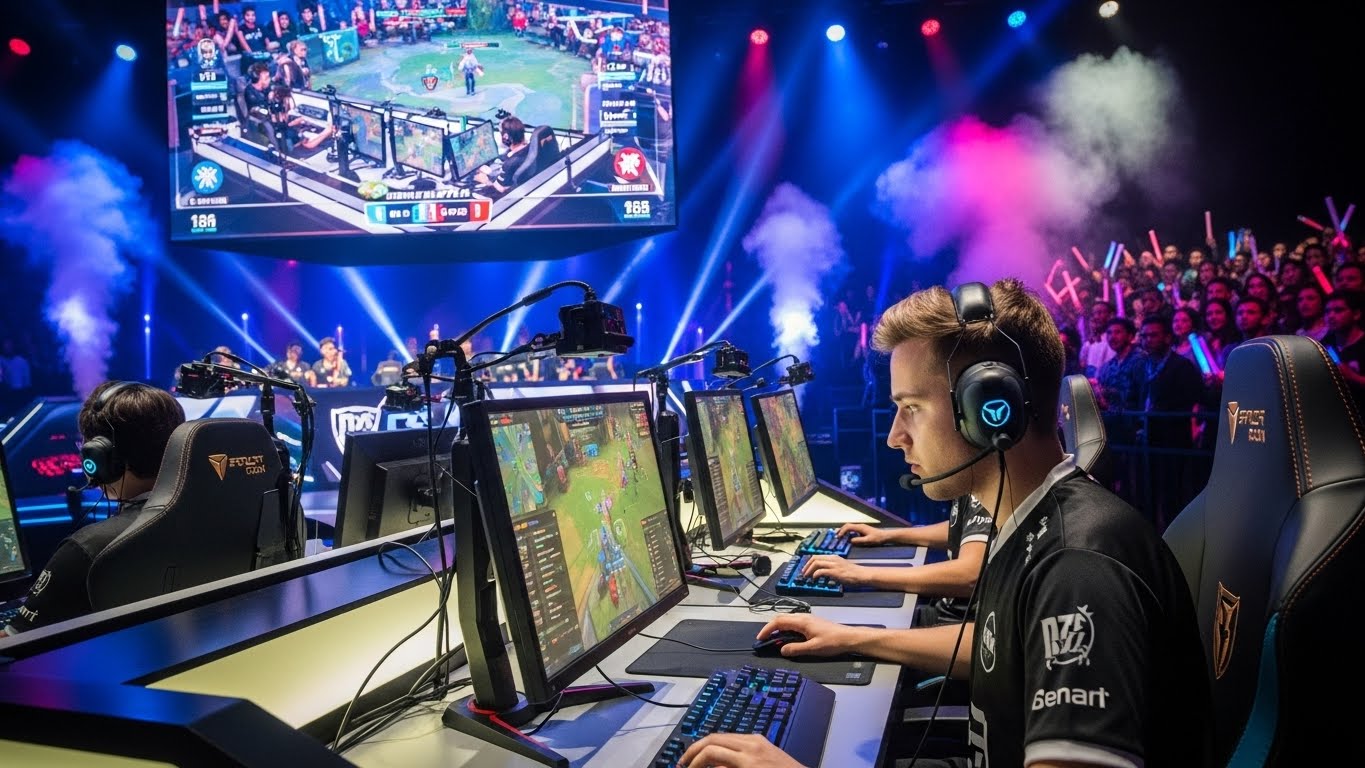
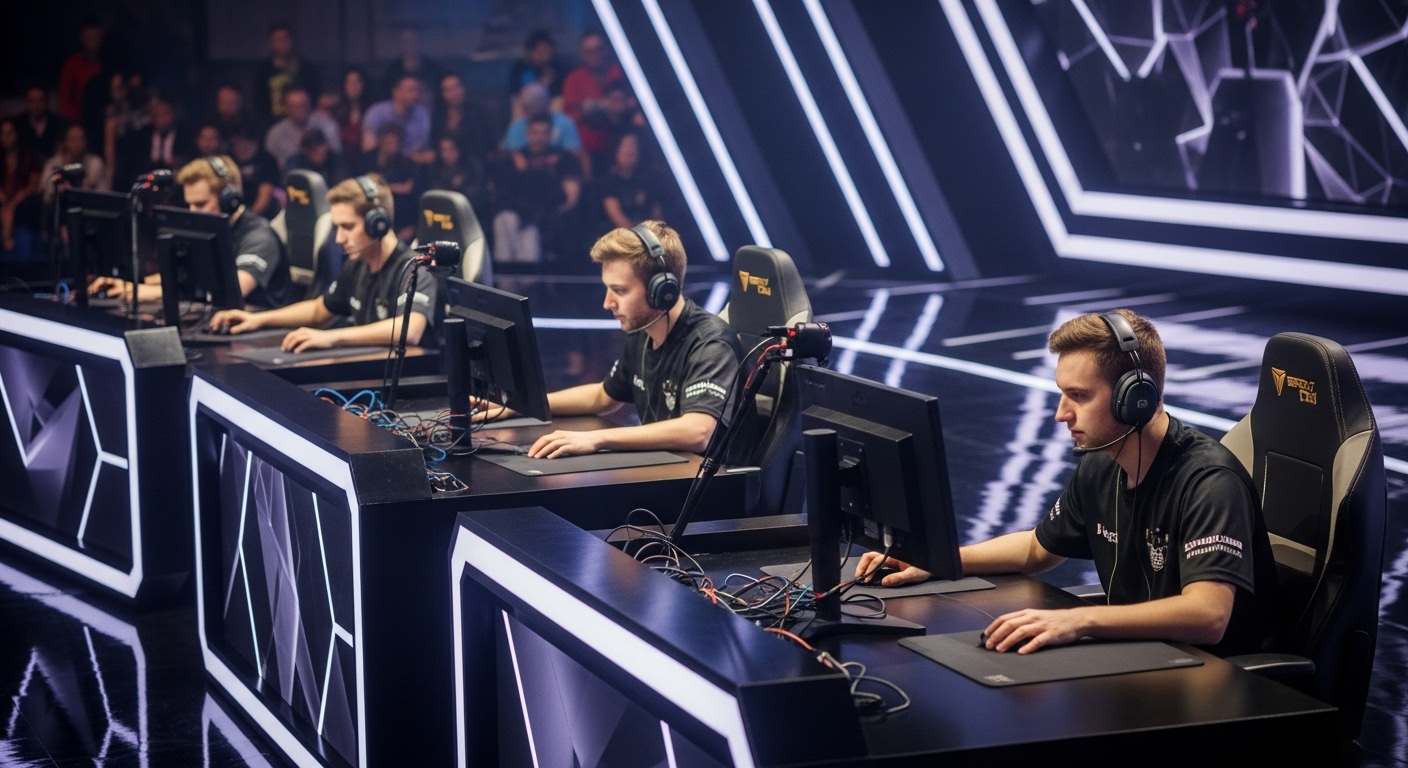
Europe’s live events remain a major pillar. DreamHack, originally a single LAN festival in Sweden, evolved into multiple large events known for massive attendance and an energetic mix of esports, cosplay, and expo booths. DreamHack Winter’s record attendance figures in recent years show that European fans still flock to big physical festivals that combine competition with community.
Event operators fall into two broad camps:
- Traditional festival/LAN operators: DreamHack and similar festivals emphasize in-person experiences, exhibitor halls, and spectator stages.
- Professional tournament circuits: Organizations like ESL FACEIT Group (EFG) and other global tournament organizers run structured competitive circuits with major prize pools and broadcast infrastructure. EFG itself is an example of consolidation where older, LAN-era brands have been incorporated into larger global platforms.
Live events play multiple roles: they are revenue drivers (tickets, sponsorship activations), marketing showcases for publishers and brands, and crucially, the highest-value moments for fan engagement — the “big game day” feeling that streaming alone can’t fully replicate.
Broadcasts, streaming and viewership
Europe is both a producer and a huge audience for esports broadcasts. Streaming platforms (Twitch, YouTube, and increasingly platform partnerships with broadcasters) carry European leagues and international events. Several things are worth noting:
- Local language coverage: Major events are often streamed in multiple languages — English plus local languages — increasing accessibility and advertiser value in national markets.
- Hybrid distribution: Many tournaments run on both global streaming platforms and national broadcasters, particularly when events tie into mainstream sports narratives (big LoL finals, FIFA showcases).
- Viewership measurement: Organizations like Esports Charts and platform analytics provide public viewership figures, but measurement is less standardized than in traditional TV, making it harder to directly compare reach across platforms.
Streaming economics (ad revenue, subscriber shares, and donations) remain sensitive to platform policies and the macro ad market, so revenue volatility is something teams and event operators plan for.
Business models: how money flows in Europe
Several revenue streams support the ecosystem:
- Sponsorship and brand deals: The largest and most reliable income source for top teams and events. European clubs land both local sponsors (telcos, retail chains) and global partners (hardware brands, energy drinks). Market reports and company disclosures show sponsorship continuing to be the dominant income source for top-tier teams and tournament organizers.
- Media rights and broadcast deals: Big regional leagues and marquee events sell media rights. While esports rights are often smaller than traditional sports, they’re increasingly structured (multi-region deals, exclusive streaming windows).
- Ticketing and live event revenue: Festival-style events and stadium shows still generate meaningful income and help te
- Merch, digital goods, and creator income: Clubs monetize through jerseys, digital drops, content memberships and player streams. Creator economies (streamers, casters) also feed into the broader revenue picture.
- Publisher support and franchise fees: For franchise models (e.g., Riot’s LEC), publisher investment and slot fees create a different financial dynamic that can insulate teams but limit open competition.
Some structural issues persist: mid-tier clubs often struggle to cover operating costs unless they secure consistent sponsorship or diversify income (academy sales, content, local partnerships). The industry continues to experiment with different monetization mixes.
Regulation, player welfare, and governance
Europe’s legal patchwork matters. Different countries have distinct rules on employment, taxation, gambling (match-betting concerns), and youth labor — all relevant to player contracts, team operations, and tournament running. That can complicate cross-border competition and roster moves.
Player welfare has gained attention: players and teams now sign more formal contracts, offer support staff (coaches, analysts, psychologists), and face renewed scrutiny around healthy schedules and travel conditions. Publisher rules (roster locks, transfer windows, minimum player protections) interact with national labor laws, and this crossroads is likely to remain an active policy area.
National scenes: pockets of strength
Europe’s esports ecosystem has notable national hubs — each with its own specialties and cultural flavor.
- Nordics (Sweden, Finland, Denmark): Deep LAN culture, strong CS and fighting game scenes, major event history (DreamHack, large grassroots communities). S
- Western Europe (UK, France, Germany): Strong investment, media deals, and larger population catchment area. France hosts top teams (e.g., Team Vitality), and Germany’s market offers corporate sponsorship and broadcast opportunities.
- Eastern Europe (Poland, Czech Republic, Russia historically): Passionate fan bases and top competitive squads, particularly in CS and Dota (though geopolitics and platform access can complicate some cross-border activity). Poland, for instance, has strong tournament organizers and fandom.
- Southern Europe (Spain, Italy): Growing professionalization, franchising in some titles, and popular national leagues (e.g., Spain’s LVP for LoL). Spain’s GIANTX recent domestic success in LoL shows how national clubs can consolidate local dominance and feed into international events.
This national diversity is a strength: it creates many localized opportunities for sponsors and events, but it also means that no single pan-European league neatly captures the entire market.
The role of consolidation and big operators
The evolution of tournament operators into larger platforms has both benefits and risks. The ESL and FACEIT merger created a large competition and platform business with significant control over circuits and online competition. Consolidation can bring production quality, standardized circuits, and larger prize pools — but it can also create concentration risk: when a few operators control many events, business decisions (restructuring, layoffs, or strategic pivots) ripple through the entire region. The ESL-FACEIT integration is a concrete example of that consolidation path
For the ecosystem, the practical implications are:
- Easier cross-country tournament organization and standardized online qualifiers.
- Potential bargaining power for rights and sponsorship deals.
- A need for diverse business models: if a big operator shifts focus, smaller organizers must be resilient.
Grassroots, education, and player pathways
European universities and local clubs increasingly support esports programs and amateur leagues. This formalization is helpful: it creates clearer career paths from amateur to pro, provides better coaching resources, and encourages parental support for young players pursuing competitive gaming more seriously.
Academies and franchised feeder systems (where they exist) are expanding, but open qualifiers remain critical for underdog stories — a core part of Europe’s esports culture that fans love.
Challenges and friction points
Europe’s esports landscape isn’t without headwinds:
- Fragmented markets: Different languages, legal regimes, and cultural tastes mean sponsors and rights deals must be localized — it’s harder to scale pan-European brand activations than in single-language regions.
- Monetization pressure: Mid-level teams and content creators can find it difficult to build stable revenue beyond sponsorships. Advertising markets have cyclical uncertainty.
- Concentration risk: Reliance on a few large tournament operators or publishers for event slots and broadcast deals crea
- Regulatory complexity: Cross-border roster movement, taxation, and competition law issues can slow growth or complicate operations.
Despite these, Europe’s scene benefits from a large, digitally savvy audience and deep gaming culture — resources that help it adapt.
- Professionalization of mid-tier markets: More sustainable revenue models (academy fees, localized sponsorships, diversified content monetization) will be essential for teams outside the top bracket. Expect experimentation with new forats and creator partnerships.
- Regulatory engagement: As governments pay more attention to online competition, match-fixing risks, and youth labor standards, national regulations will increasingly shape how teams and tournaments operate across borders.
Practical takeaways for stakeholders
- Brands: Localize your approach. Sponsorship returns are stronger when campaigns speak to local language audiences and activate at national events. Use festivals for experiential marketing and streaming for reach.
- Teams: Diversify revenue beyond sponsorships — academy programs, creator-led content, and merchandise can stabilize income. Prioritize player welfare to protect long-term value.
- Event operators: Build hybrid experiences and don’t over-centralize risk. Nurture local organizers as feeder systems; they sustain the talent pipeline and regional fanbases.
- Players: Understand the legal and tax implications of cross-border moves; build personal brands (streaming, social) to increase long-term earnings beyond tournament pay.
- Fans and grassroots organizers: Keep supporting local LANs and open qualifiers — these are the lifeblood of Europe’s scene and keep pathways to pro competition vibrant.
Final thoughts
Europe’s esports landscape is resilient because of its diversity. It’s a continent where century-old LAN culture meets modern streaming economics, where national leagues sit beside global majors, and where both festival organizers and consolidated platform operators play complementary roles. That complexity makes Europe less easy to summarize than a single-market scene, but it also makes it more robust: different club models, national structures, and game communities ensure multiple paths for players, brands, and fans.
Europe will continue to matter in global esports — not because it follows a single playbook, but because it contains many playbooks simultaneously. From DreamHack halls to HLTV-tracked grand finals and the growth of mobile and hybrid events, the continent remains a leading and evolving chapter in esports’ global story. The smart money for stakeholders is on localization combined with scalable production: bring the global quality, but speak locally — that’s the Europe playbook.