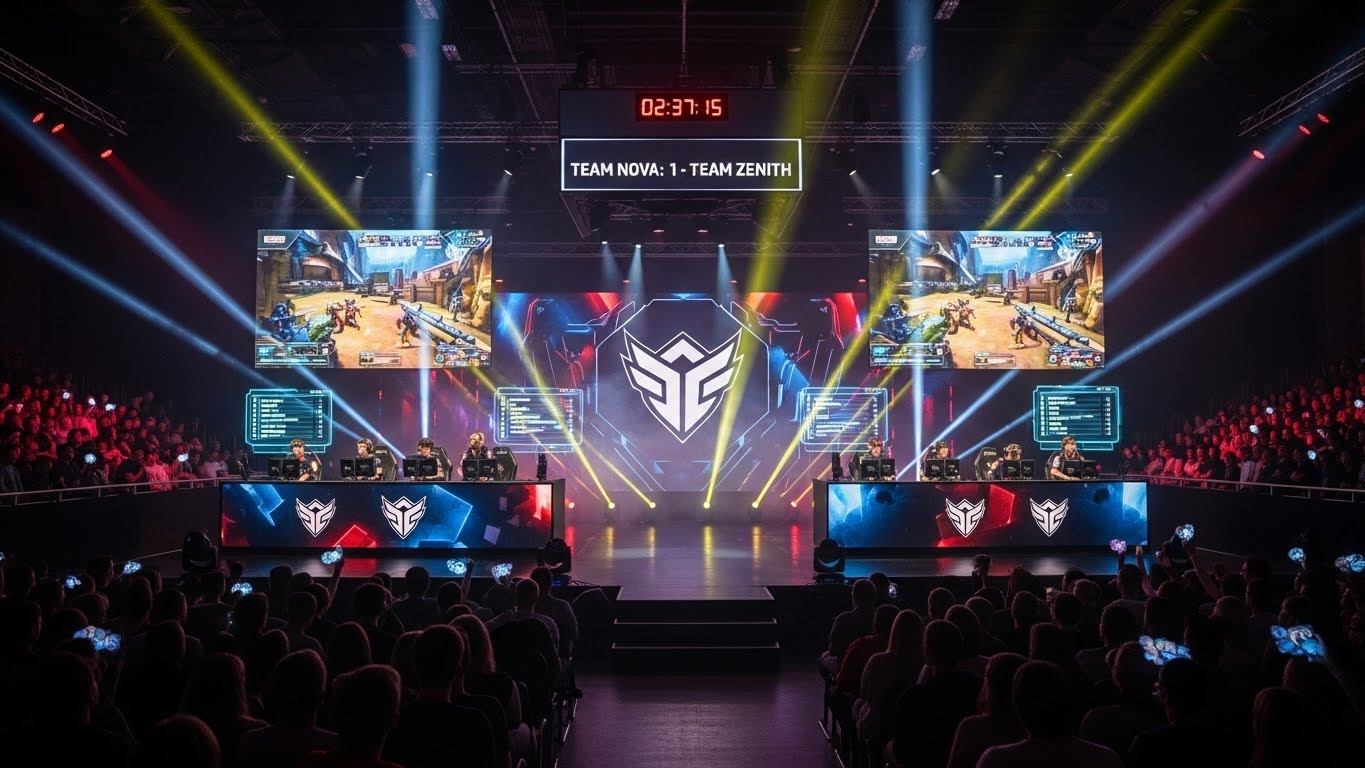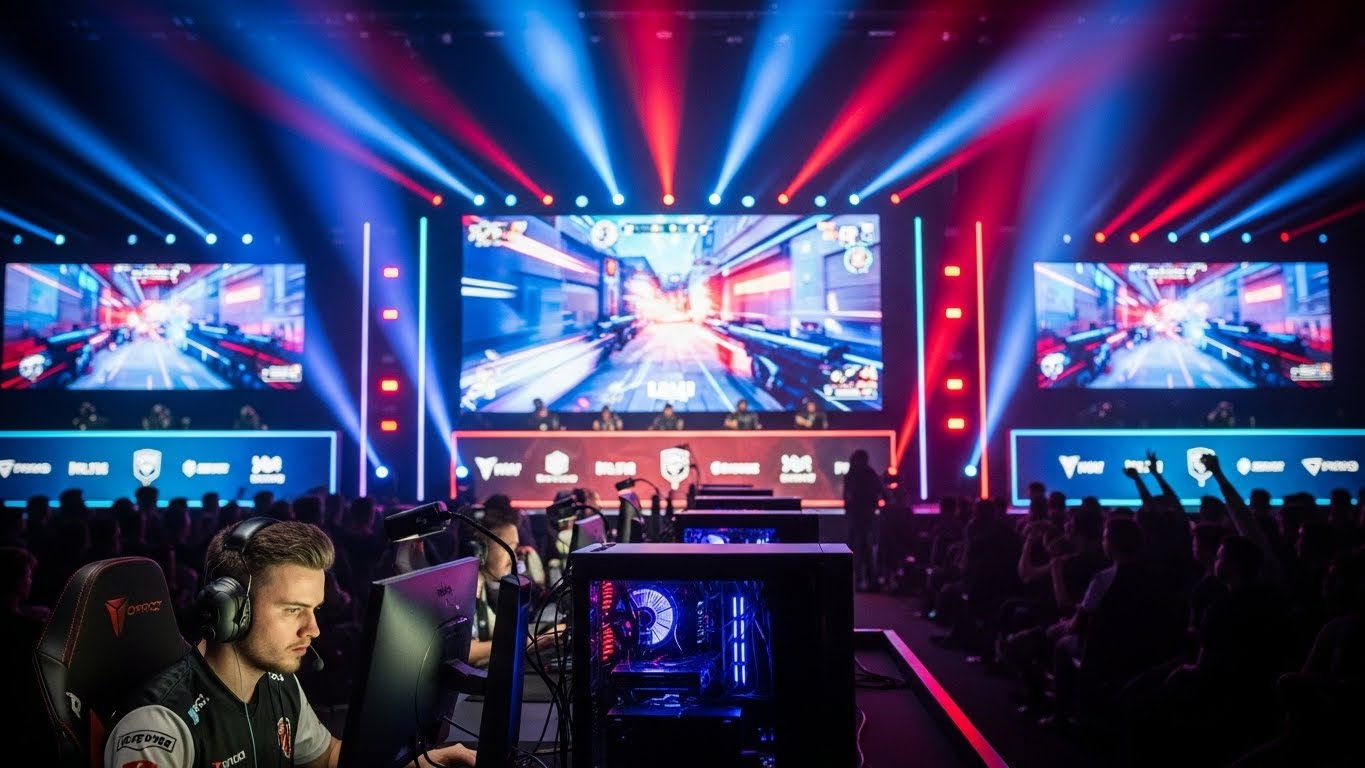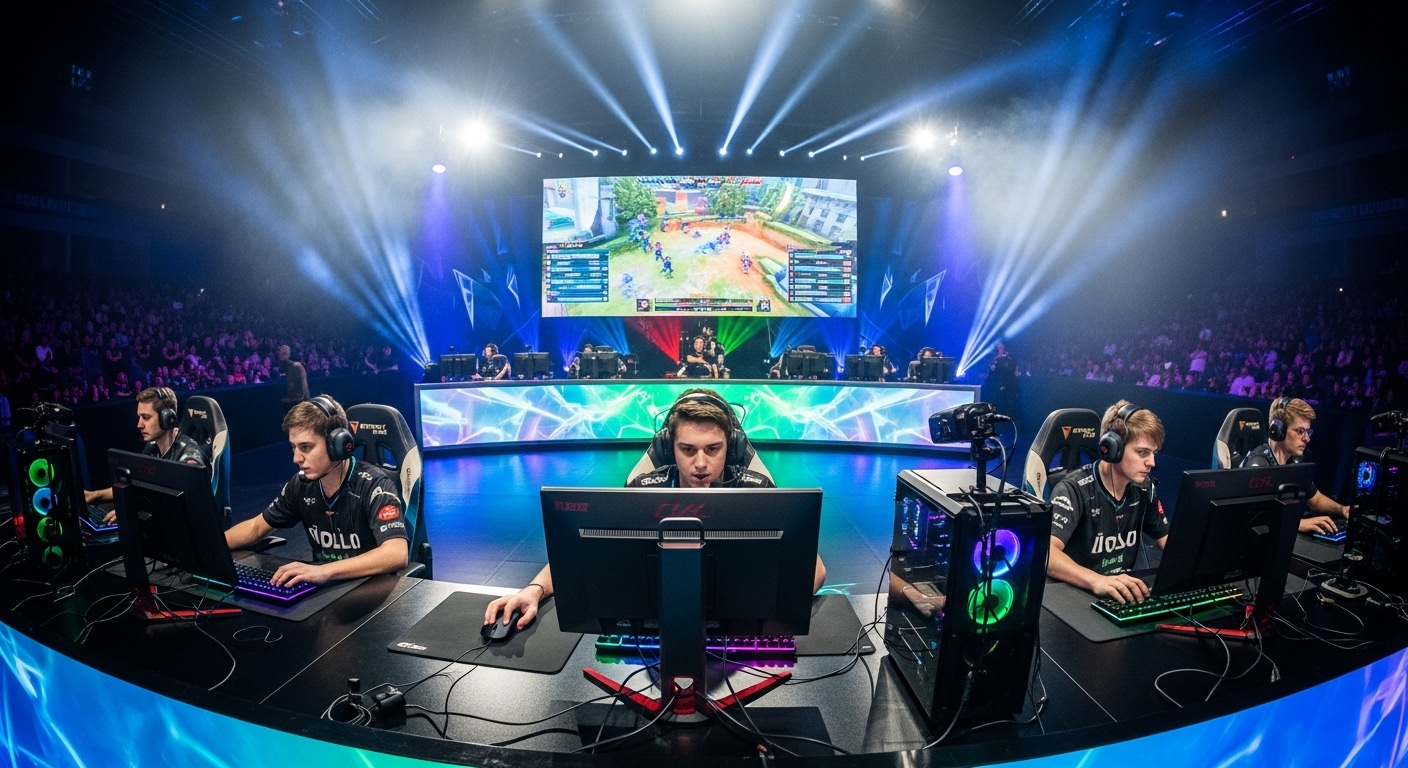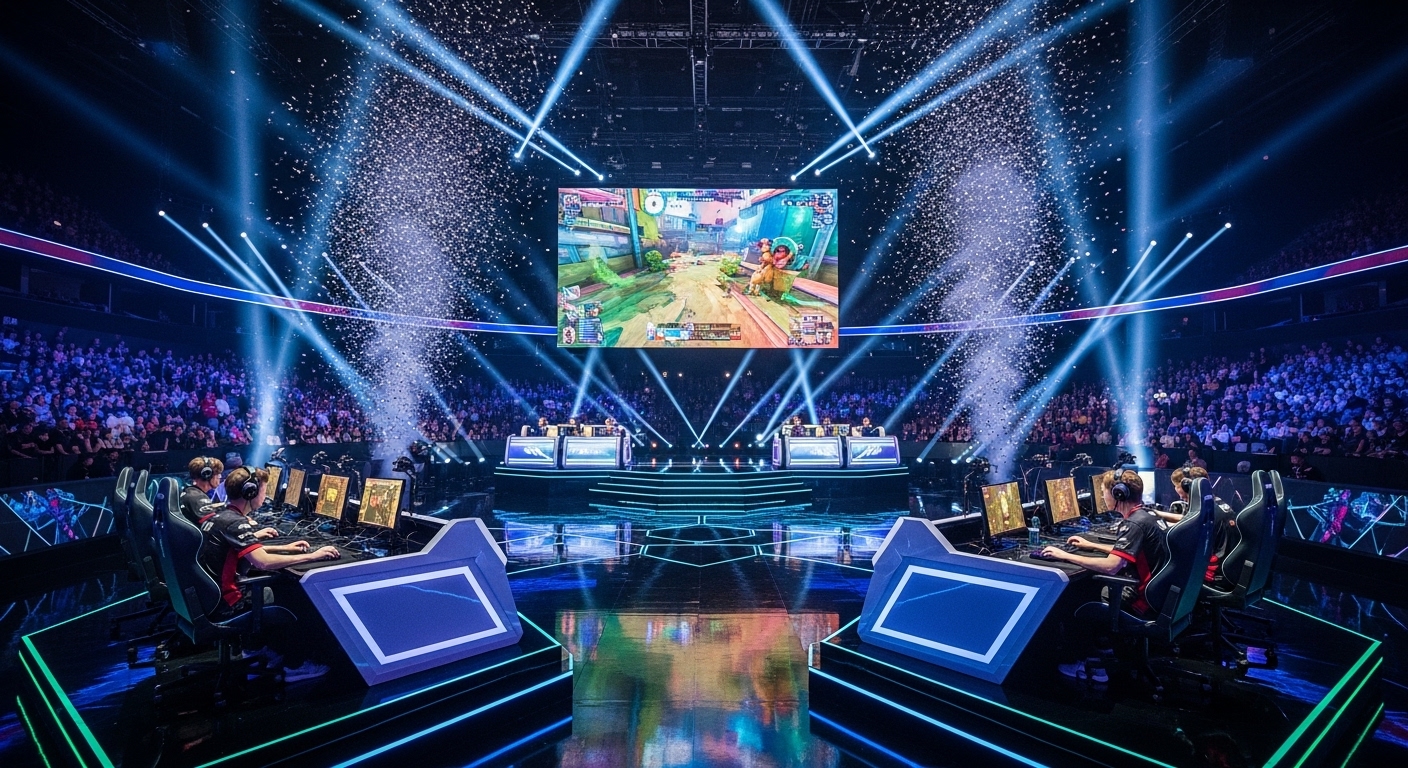
eSports has evolved from a small, niche hobby into a worldwide phenomenon, reshaping entertainment, technology, and even culture. What once was confined to living rooms and local arcades is now a global industry with professional teams, organized leagues, and millions of viewers tuning in to watch their favorite players compete. Competitive gaming has become more than a pastime; it is a professional pursuit that combines skill, strategy, teamwork, and innovation. The rise of eSports reflects not just technological advancement but also a new way for people to connect, compete, and create.
The Origins of eSports: From Arcades to Competitive Communities
The story of eSports began in the late 1970s and 1980s with arcade competitions. Players challenged one another for high scores on games such as Space Invaders, Pac-Man, and Donkey Kong. These early contests were local in scale but helped build the concept of gaming as a competitive activity.
In the 1990s, multiplayer PC games and LAN (Local Area Network) parties transformed gaming into a social and competitive experience. Titles like StarCraft, Quake, and Counter-Strike became the first games to inspire organized tournaments, drawing players together to test their skills against opponents beyond their immediate communities. This era laid the foundation for professional competitive gaming.
The Internet Revolution and the Growth of Online eSports
The arrival of the internet dramatically expanded the reach of eSports. Online multiplayer games enabled players to compete against others worldwide, creating global communities and competitions. Games like League of Legends, Dota 2, and Overwatch became foundational pillars of the competitive gaming scene, attracting both amateur and professional players.
Online platforms also allowed fans to watch tournaments live, interact with players, and analyze gameplay. Streaming became a critical tool for eSports’ growth, creating an interactive experience that traditional sports could not match. This era marked the beginning of eSports as a global phenomenon.
Professionalization of eSports: Teams, Leagues, and Sponsorships
One of the most notable developments in eSports is its professionalization. Today, competitive gaming operates with structured leagues, professional teams, and official tournaments. Teams hire coaches, analysts, and fitness experts to enhance performance. Players train rigorously, practicing for hours each day to maintain the highest skill levels.
Leagues such as the League of Legends Championship Series, Overwatch League, and Call of Duty League have created formal competition structures similar to traditional sports. Corporate sponsorships and brand partnerships contribute significantly to the financial viability of eSports, turning gaming into a legitimate career path.
Global Reach: eSports Across Continents
eSports is truly global, with players and fans spanning every continent. South Korea pioneered competitive gaming culture, broadcasting professional matches and producing star gamers with celebrity status. North America and Europe have also seen rapid growth, with tournaments attracting millions of live viewers and substantial prize pools.
Emerging markets in Southeast Asia, Latin America, and the Middle East are rapidly expanding the reach of competitive gaming. International tournaments such as The International for Dota 2 and the Fortnite World Cup showcase players from diverse regions, uniting audiences and demonstrating the universal appeal of eSports.
The Role of Streaming Platforms in eSports
Streaming platforms such as Twitch and YouTube Gaming have transformed how audiences engage with eSports. Fans can watch live tournaments, learn strategies from professional players, and interact with gaming communities in real time. The integration of streaming has turned spectatorship into participation, creating an immersive fan experience.
These platforms also cultivate gaming influencers and content creators who play a key role in shaping eSports culture. Through live commentary, tutorials, and behind-the-scenes content, streaming allows players and fans to connect, making competitive gaming accessible to a wider audience.
Skill, Strategy, and Teamwork in eSports
eSports demands more than quick reflexes; it requires strategy, teamwork, and mental agility. Players analyze opponents, make rapid decisions, and coordinate with teammates to execute complex strategies. Games like League of Legends, Dota 2, and Counter-Strike emphasize tactical thinking and collaborative play over mere mechanical skill.
Individual talent is critical, but success often hinges on team coordination. The combination of cognitive and physical skills sets eSports apart as a highly demanding competitive field, comparable in intensity and discipline to traditional sports.
Health, Wellness, and Competitive Gaming
Professional eSports players dedicate long hours to training, making health and wellness essential. Organizations are increasingly focusing on player fitness, nutrition, and mental health support. Proper ergonomics, regular exercise, and mental coaching help players maintain peak performance and prevent burnout.
The intense pressure of competitive gaming highlights the importance of balance. Successful players prioritize rest, exercise, and stress management to sustain their careers, demonstrating that competitive gaming requires discipline, resilience, and self-care.
Economic Impact of eSports
eSports has grown into a multi-billion-dollar industry. Revenue streams include sponsorships, merchandise sales, media rights, and ticketed events. Large tournaments offer prize pools reaching millions of dollars, attracting top-tier talent and generating global interest.
The economic influence of eSports extends beyond competition. Companies manufacturing gaming peripherals, developing software, and producing streaming content all benefit from its growth. Careers in eSports range from professional players to coaches, commentators, analysts, and content creators, illustrating the broad economic ecosystem surrounding competitive gaming.
Cultural Significance and Community Building
eSports is a cultural phenomenon that goes beyond gameplay. Fans form communities through online forums, social media, and live events. Cosplay, fan art, and amateur tournaments contribute to a thriving culture that celebrates creativity and fandom.
The inclusive nature of eSports welcomes players and fans of all ages, genders, and backgrounds. Online communities provide spaces for learning, collaboration, and mentorship, reinforcing the social and cultural value of competitive gaming.
Challenges in the eSports Industry
Despite its growth, eSports faces challenges. Player burnout, online harassment, and mental health issues are ongoing concerns. Regulatory frameworks around contracts, fair competition, and player rights are still evolving, creating potential risks for participants.
Public perception also remains a hurdle. While eSports is gaining mainstream acceptance, some still view gaming as a frivolous pursuit. Advocates must continue to highlight the strategic, skill-based, and professional aspects of competitive gaming to solidify its legitimacy.
The Future of eSports: Innovation and Expansion
The future of eSports promises further growth and innovation. Virtual reality, augmented reality, and cloud gaming will create new immersive competitive experiences. Mobile eSports is expanding rapidly, particularly in regions with limited access to traditional gaming platforms.
Traditional sports organizations are investing in eSports, integrating it into their brands and reaching younger audiences. Educational institutions are establishing scholarships and collegiate leagues, creating structured pathways for aspiring professional gamers. These developments indicate that eSports will continue to expand as both a sport and a cultural movement.
Education and eSports: Preparing the Next Generation
Colleges and universities are increasingly recognizing eSports as a legitimate extracurricular activity. Students can earn scholarships, join competitive teams, and access resources for skill development. Participation in eSports teaches teamwork, time management, leadership, and strategic thinking.
Beyond playing professionally, education in eSports opens career opportunities in management, broadcasting, coaching, and game development. Structured programs help ensure that the next generation of players can thrive in a competitive and rapidly evolving industry.
Conclusion: eSports as a Transformative Force
eSports has grown from humble beginnings into a global cultural, economic, and technological powerhouse. It challenges traditional notions of sports, skill, and competition while creating communities that span the globe. Competitive gaming is not just entertainment; it is a profession, a lifestyle, and a movement.
As eSports continues to evolve, it will redefine how society perceives skill, strategy, and achievement. The industry promises new technologies, larger audiences, and deeper cultural impact. Beyond the games themselves, eSports demonstrates the power of technology, collaboration, and creativity in shaping the digital era. It is more than a pastime; it is a testament to human innovation and the enduring appeal of competition.