Introduction: The Digital Revolution of Sports
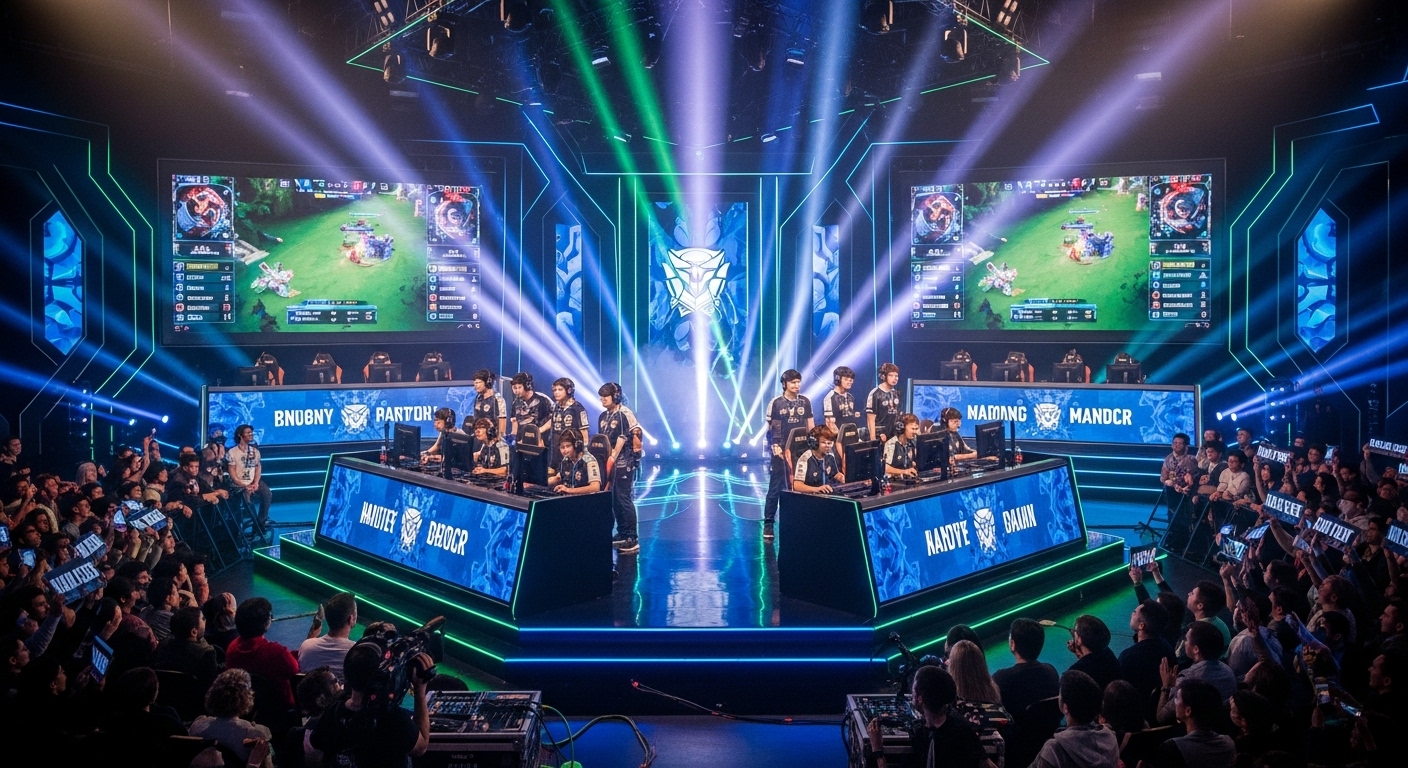
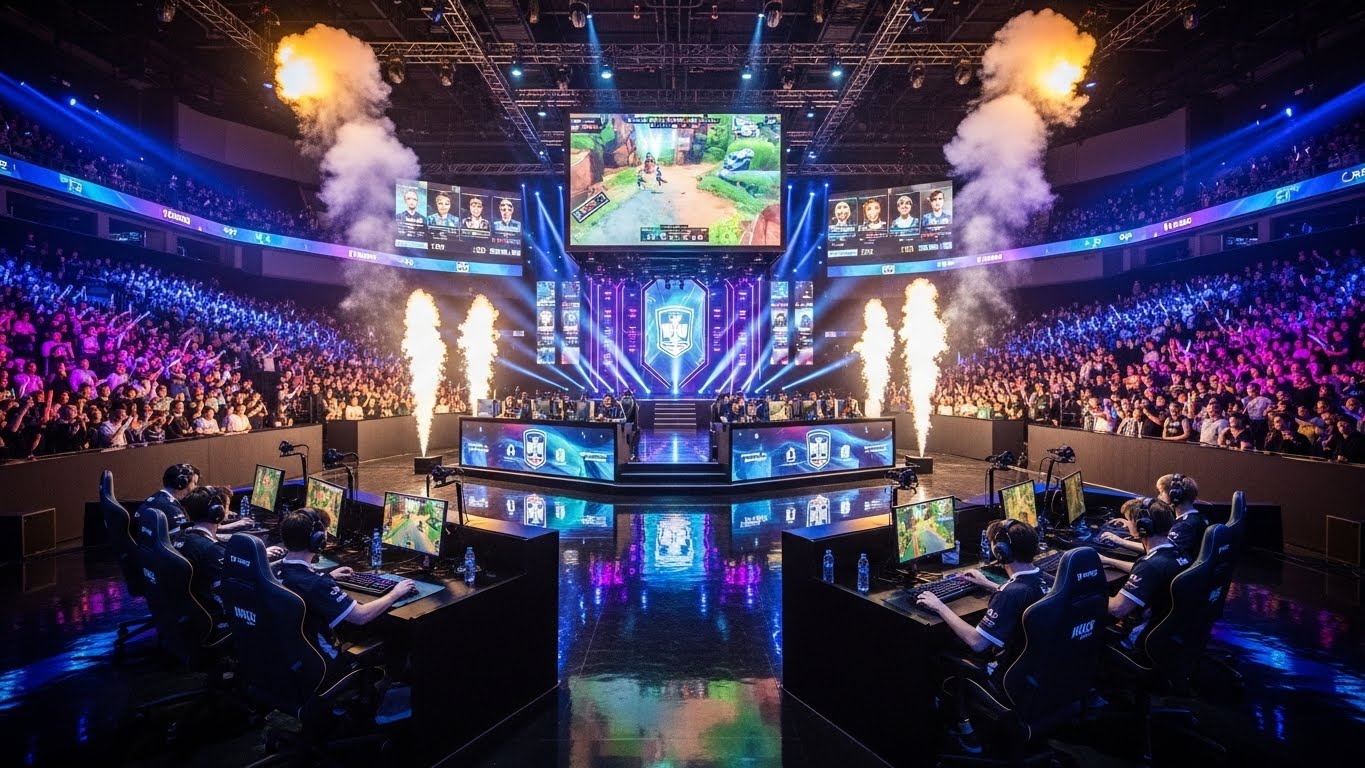
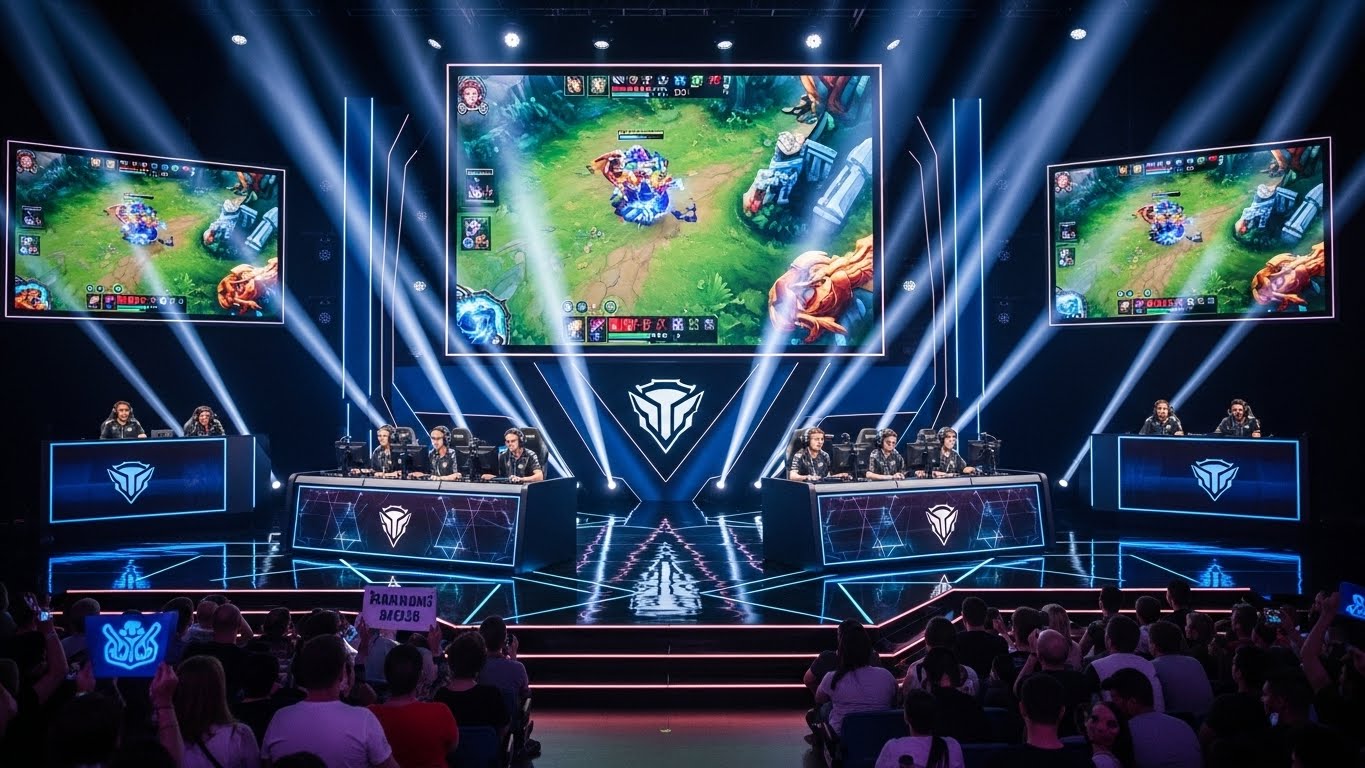
In recent years, esports has transformed from a niche hobby into a global phenomenon. The term “esports” refers to competitive video gaming, where individuals or teams compete in various games at professional levels. What was once seen as a casual pastime for gamers is now recognized as a legitimate career path and a major entertainment industry. With millions of fans worldwide, professional tournaments, and multi-million-dollar prize pools, esports has firmly established itself in the landscape of modern competitive sports.
The Origins of Competitive Gaming
The roots of esports can be traced back to the late 20th century when gamers would compete in arcades and early computer games. Titles like Space Invaders, Pac-Man, and early fighting games provided a platform for friendly competition. In the 1980s and 1990s, organized tournaments started appearing, laying the foundation for a more structured competitive gaming scene.
Local competitions eventually evolved into national and international contests, particularly with the rise of personal computers and gaming consoles. Multiplayer games allowed players to compete with friends in their homes, and LAN parties, where players connected multiple computers in a single location, became a key aspect of early competitive gaming. These events were not only social but also a training ground for future professional players.
The Impact of the Internet
The widespread adoption of the internet was a turning point for esports. Online gaming allowed players from different cities and countries to compete against each other in real-time. This connectivity transformed casual gaming into a global competitive scene.
Streaming platforms further changed the landscape by making esports a spectator sport. Fans could watch live matches, interact with players, and follow their favorite teams. This development turned esports into both a participatory and a spectator activity. Popular games such as Counter-Strike, League of Legends, and Dota 2 became staples of professional tournaments and drew large online audiences. The internet made esports more accessible and fueled its rapid growth.
The Rise of Professional Esports
As the audience for competitive gaming expanded, professional esports teams began to emerge. These teams operate similarly to traditional sports teams, with coaches, managers, analysts, and dedicated training schedules. Players commit to rigorous practice routines, strategy development, and teamwork to excel in competitions.
The creation of structured leagues and official tournaments has added credibility and legitimacy to esports. Major tournaments now fill arenas with thousands of spectators, while online viewership often reaches millions. The prize pools for top competitions have grown substantially, attracting more players and investment into the industry. Esports is no longer just a game; it is a viable career path for talented individuals worldwide.
Game Developers and Esports
Game developers play a critical role in the success of esports. Competitive games are often designed with esports in mind, featuring balanced gameplay, spectator modes, and tools for organizing tournaments. Developers frequently collaborate with tournament organizers to ensure fair play and maintain a professional standard.
The support of game developers also allows for long-term growth and sustainability. Regular updates, patches, and new content keep games fresh and maintain player engagement. Without the active involvement of developers, competitive gaming would lack structure and long-term appeal.
Esports as a Cultural Phenomenon
Esports has grown beyond just gaming to become a cultural movement. It connects people across the globe through a shared love for games, fostering communities and social interaction. Fans follow their favorite players, discuss strategies, and celebrate victories much like traditional sports enthusiasts.
The rise of esports has also influenced popular culture. Gaming terminology, memes, and fashion trends often originate from esports communities. Social media amplifies these trends, allowing fans to connect and celebrate their shared passion. Esports has given a sense of identity to a generation that grew up immersed in digital entertainment.
The Economics of Esports
The financial impact of esports is immense and growing. Revenue streams include tournament ticket sales, sponsorships, media rights, merchandise, and in-game purchases. Corporate brands recognize the value of engaging with esports audiences, which are predominantly younger demographics with significant spending power.
Large-scale tournaments often generate revenue comparable to traditional sporting events. Sponsorship deals with global brands further enhance the commercial viability of esports. Additionally, the growth of streaming platforms has allowed players and teams to monetize content directly, providing sustainable income opportunities.
Esports Personalities and Influencers
Individual players, streamers, and content creators have become influential figures in the esports world. These personalities not only compete professionally but also engage audiences through commentary, live streaming, and social media content. Their charisma, expertise, and gameplay strategies inspire millions of fans.
Esports influencers serve as bridges between casual gaming audiences and professional competitive scenes. They make complex strategies accessible, provide entertainment, and help cultivate a strong fan community. Their presence has elevated esports from a niche hobby to a mainstream cultural phenomenon.
Globalization and Regional Growth
Esports is a truly global phenomenon, transcending borders and uniting players from all over the world. Countries in East Asia, Europe, and North America have developed robust competitive ecosystems, while emerging regions in South America, Southeast Asia, and Africa are experiencing rapid growth.
International tournaments allow teams from different regions to compete on the same stage, fostering cultural exchange and competition. Fans often follow teams from other countries, highlighting the global appeal of esports. This worldwide reach has helped esports build a diverse and inclusive community that spans languages, cultures, and backgrounds.
Education and Career Opportunities in Esports
Esports is no longer just about playing games; it has opened up various educational and career opportunities. Universities offer esports programs, scholarships, and research initiatives, recognizing the strategic, technical, and management skills involved.
Career paths include professional players, coaches, commentators, content creators, event managers, analysts, marketers, and game developers. The esports ecosystem supports multiple professions, creating sustainable employment opportunities for those passionate about gaming. This shift has helped legitimize esports as a serious industry with long-term potential.
Challenges Facing the Industry
Despite its success, esports faces challenges that could affect its growth. Player burnout is a significant concern, as professional gamers often face intense schedules, travel, and pressure to perform. Physical and mental health management is crucial for sustaining long-term careers.
Regulation and governance also remain complex, as esports spans multiple countries with varying legal standards. Ensuring fair play, managing contracts, and maintaining competitive integrity require careful oversight. Additionally, balancing game updates with competitive fairness remains an ongoing challenge for developers and tournament organizers.
The Future of Esports
The future of esports looks bright and full of innovation. Emerging technologies such as virtual reality, augmented reality, and artificial intelligence could transform the way competitions are played and experienced. Immersive gaming experiences may redefine the spectator experience, making esports even more engaging for audiences.
Esports is also expected to gain recognition in mainstream sports events, further legitimizing it as a global sport. With continuous investment, innovation, and community engagement, esports will likely expand into new genres, reach more audiences, and continue shaping digital entertainment worldwide.
Conclusion: A Transformative Force
Esports has grown from a small, hobbyist activity into a powerful cultural, social, and economic phenomenon. It has created new career opportunities, inspired communities, and united people worldwide through the love of gaming. The rise of professional teams, tournaments, and global audiences signifies a new era in competitive entertainment.
As technology continues to advance and esports continues to gain recognition, its influence will only grow stronger. Beyond the screen, esports represents innovation, creativity, and human connection. It is more than just a game; it is a transformative force shaping the future of competition and entertainment.