Introduction: The New Age of Competition
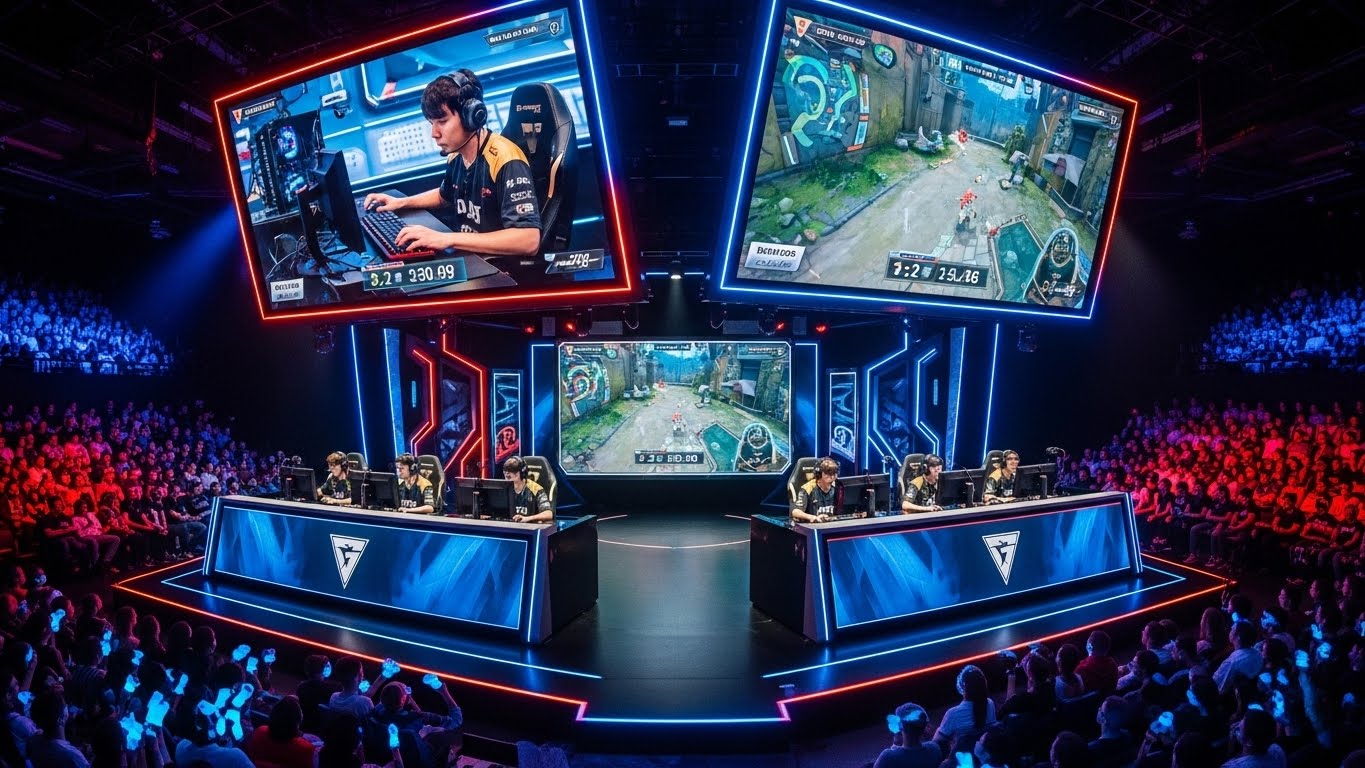
Esports has transformed the way we think about gaming. What began as casual play among friends has now evolved into a professional arena attracting millions of viewers worldwide. From high-stakes tournaments to dedicated leagues, esports has become a legitimate career path and a cultural phenomenon, blending technology, entertainment, and competition in unprecedented ways.
The Rapid Growth of Esports
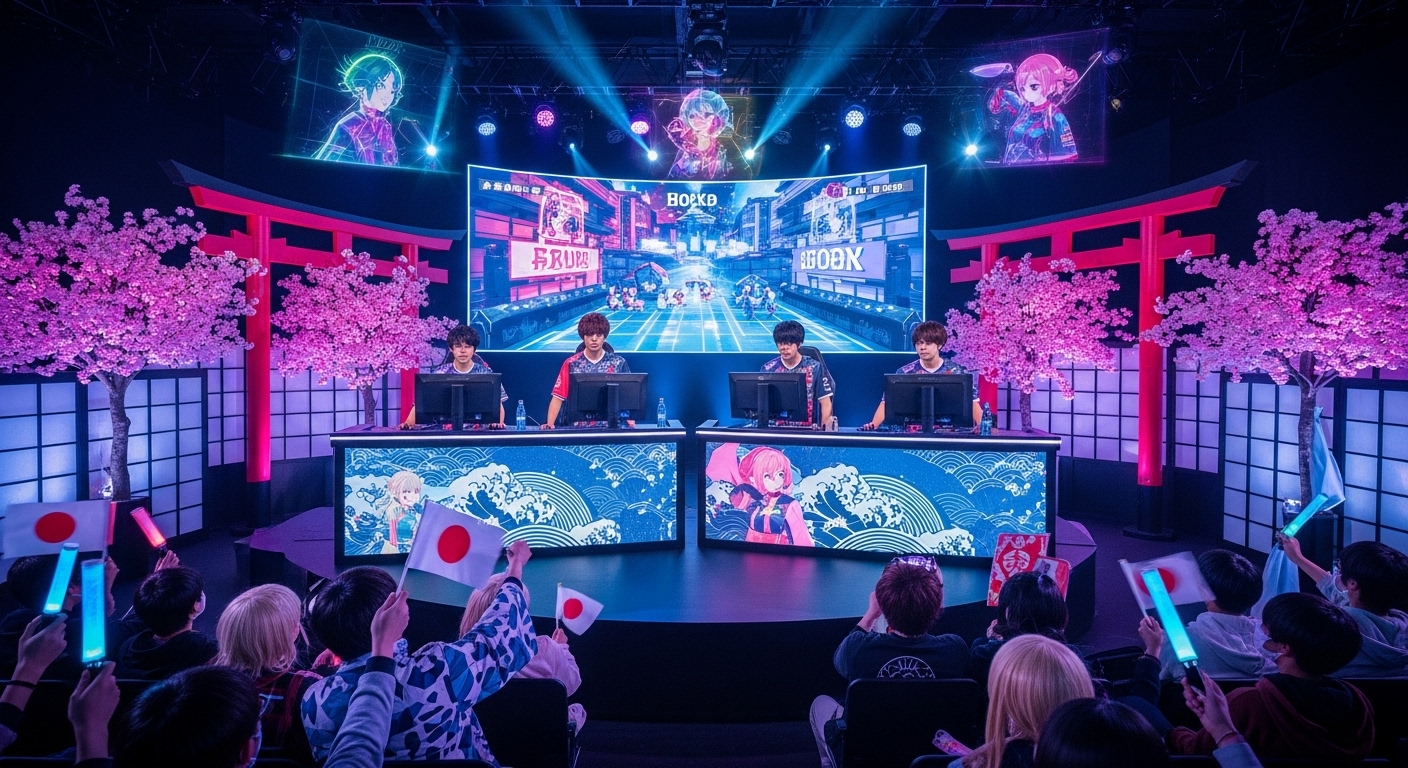
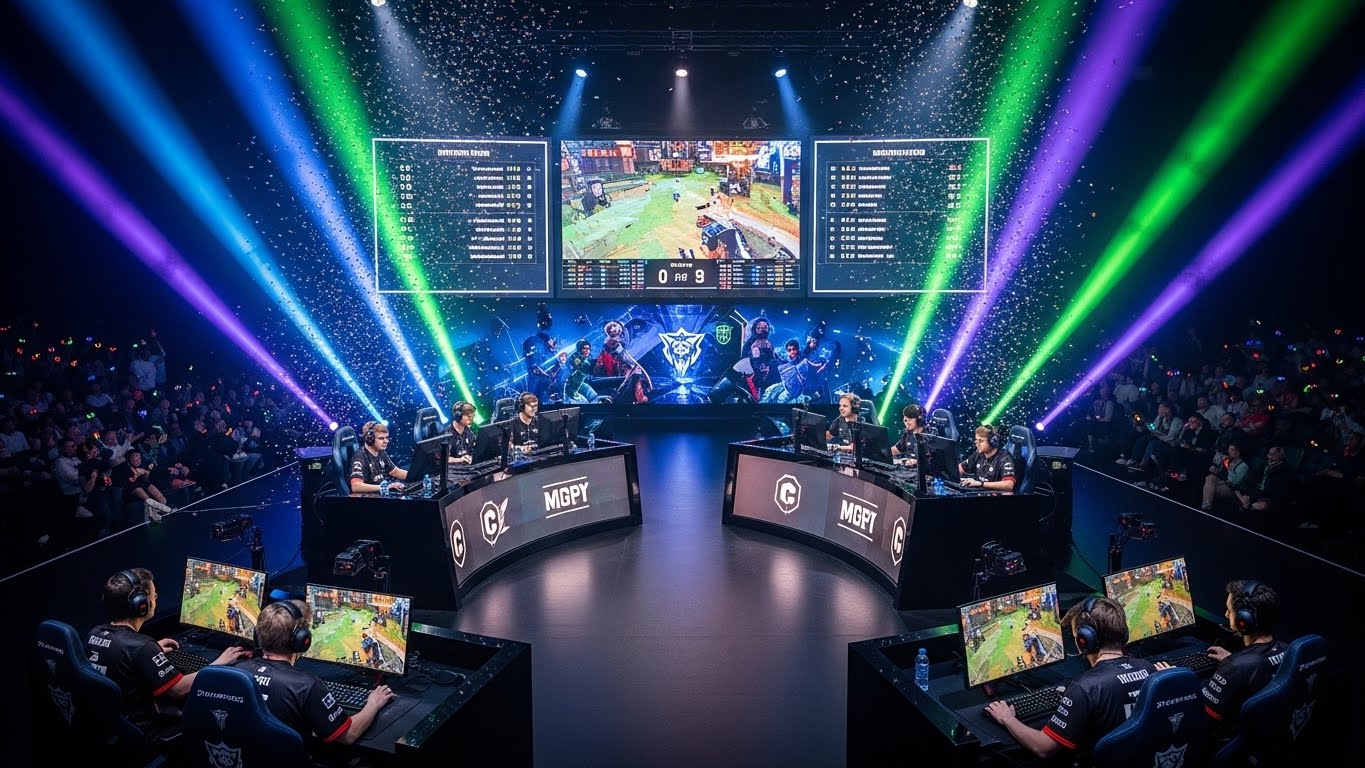
Over the past decade, esports has experienced explosive growth. Professional leagues, major tournaments, and online streaming platforms have fueled its rise. Events like the League of Legends World Championship and Dota 2’s The International now draw audiences comparable to traditional sports events. With sponsorships, merchandise, and media rights contributing to billions in revenue, esports is no longer just a hobby—it is a thriving industry.
Popular Games Shaping the Scene
Different games have defined the esports landscape, each with unique competitive dynamics. Multiplayer online battle arenas like League of Legends and Dota 2 emphasize strategy and teamwork. First-person shooters such as Counter-Strike: Global Offensive and Valorant test precision, reflexes, and tactical thinking. Meanwhile, battle royale games like Fortnite and Apex Legends combine survival strategy with high-intensity action, attracting large, passionate audiences.
Technology Driving Esports Forward
Technology has been a key factor behind esports’ growth. High-speed internet, powerful gaming hardware, and streaming platforms allow players to compete on a global scale while fans follow every moment in real time. Live streaming has also given players the opportunity to build personal brands, expanding career possibilities beyond the game itself. Emerging technologies like virtual reality promise to make future competitions even more immersive and engaging.
Impact on Youth and Culture
Esports has become a major influence on youth culture. Young gamers are inspired to pursue careers as professional players, streamers, or analysts. The competitive environment fosters critical skills such as strategic thinking, communication, and teamwork. At the same time, concerns about screen time and physical well-being highlight the importance of balancing gaming with healthy lifestyle habits.
Challenges Facing the Industry
Despite its success, esports faces challenges. Player burnout, inconsistent regulations, and issues with fair play remain prevalent. Smaller teams and new games often struggle to gain recognition, while established organizations dominate the scene. Addressing these challenges is essential for sustaining the long-term growth and credibility of the industry.
The Future of Esports
The future of esports is bright. Innovations in technology, increased global accessibility, and broader cultural acceptance will continue to expand its reach. As esports grows, it has the potential to rival traditional sports in popularity and professional opportunities, becoming an integral part of the entertainment world.
Conclusion: Beyond Gaming
Esports has evolved from a casual pastime into a global movement that influences culture, technology, and career opportunities. While challenges exist, the rise of competitive gaming demonstrates its staying power and potential. Esports is no longer just a game—it is a revolution that is reshaping how we view competition, entertainment, and community.