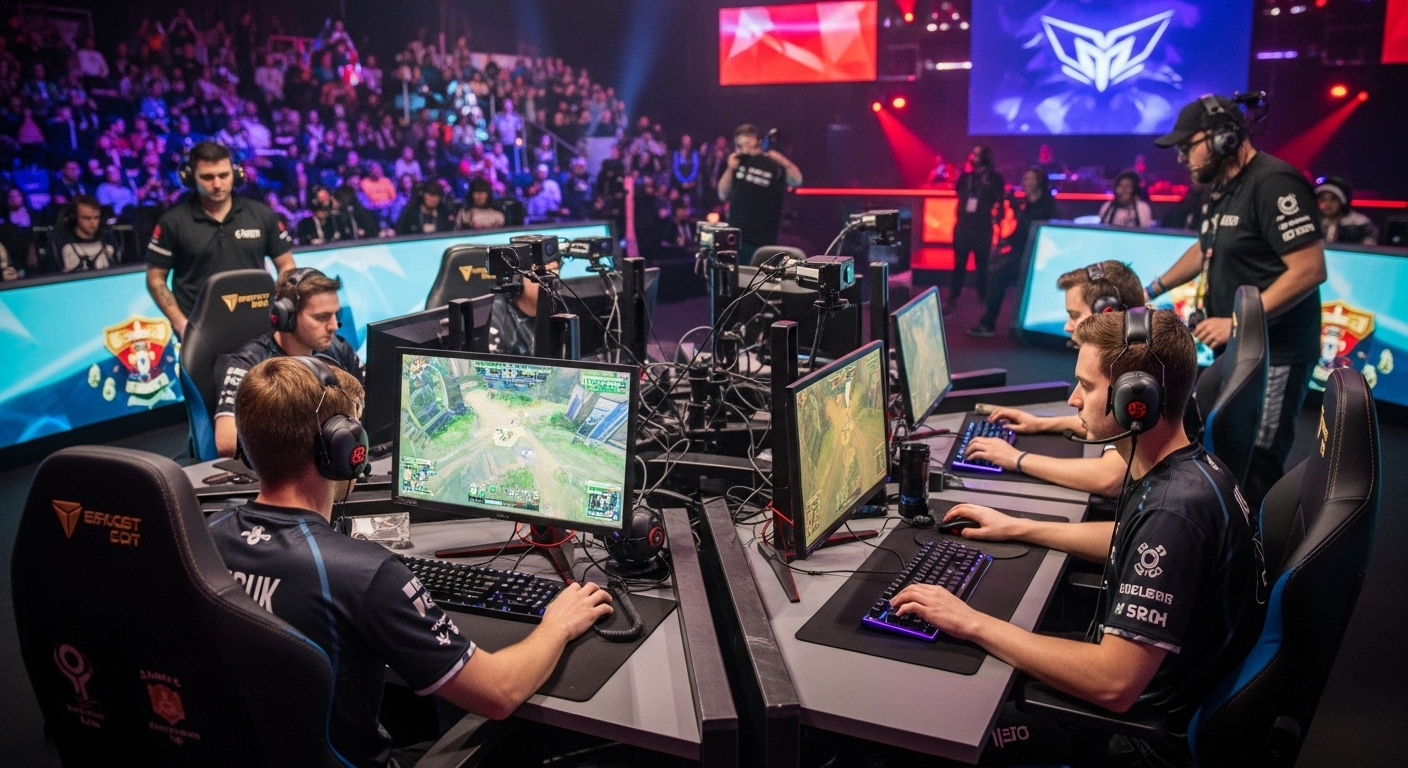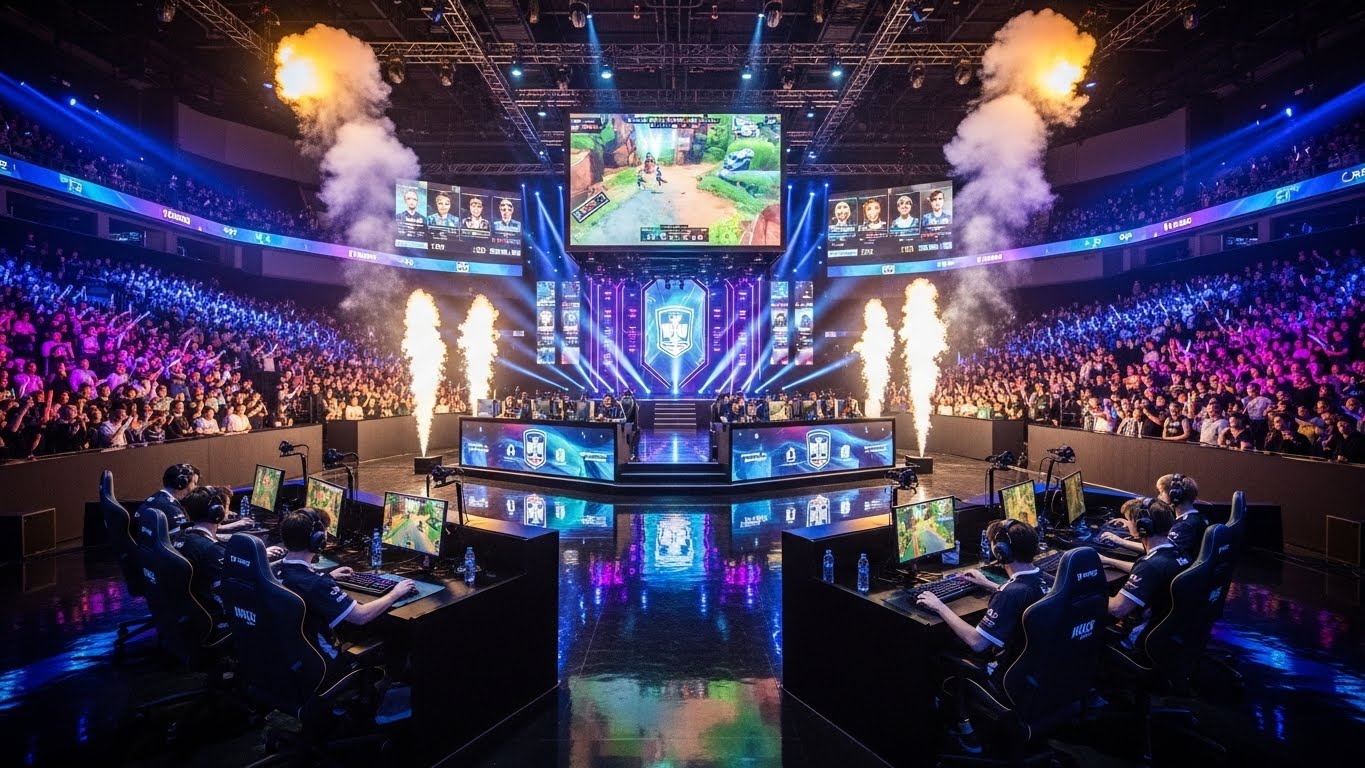
Esports, once considered a niche hobby for video game enthusiasts, has rapidly transformed into a global phenomenon. What started as casual gaming competitions has evolved into a billion-dollar industry that spans continents, attracts millions of viewers, and provides full-fledged careers for professional gamers. The rise of esports reflects not only technological innovation but also the cultural significance of gaming in the modern world.
Understanding Esports
At its core, esports refers to organized, competitive video gaming. Players or teams compete in a wide range of games, from first-person shooters and multiplayer online battle arenas to sports simulations and strategy games. Esports emphasizes skill, strategy, and teamwork, with professional players dedicating hours daily to practice and mastery. Unlike casual gaming, esports involves structured competitions, leagues, and tournaments that are often broadcasted to global audiences.
The term “esports athlete” has become widely recognized, highlighting the professionalization of gaming. These athletes are comparable to traditional sports players in terms of training intensity, strategic planning, and mental preparation.
The Origins of Esports
Esports has deep roots, dating back to the early days of video gaming in the 1970s and 1980s. High-score competitions in arcades were some of the first organized gaming events, attracting local players eager to prove their skills. In the 1990s, multiplayer PC games like StarCraft and Quake introduced competitive online play, laying the groundwork for modern esports.
The widespread availability of high-speed internet in the 2000s accelerated esports’ growth. Gamers could compete across regions and countries, creating global communities and fostering competitive ecosystems. The foundation was set for professional leagues, sponsorships, and large-scale tournaments.
The Emergence of Professional Leagues
One of the turning points in esports history was the development of professional leagues and tournaments. Games such as League of Legends, Dota 2, and Counter-Strike became the cornerstones of structured competitions, with regional leagues feeding into global championships.
Professional leagues brought structure, sponsorships, and legitimacy to esports. Teams were established with coaches, analysts, and support staff, resembling traditional sports organizations. Fans could follow teams throughout a season, creating narratives and rivalries that added depth to the competitive experience.
The Role of Technology in Esports
Technology is the backbone of esports. High-performance computers, fast internet connections, precision peripherals, and advanced graphics all contribute to competitive gameplay. Developers design games with balance, fairness, and spectator engagement in mind, creating environments suitable for professional competition.
Streaming platforms have revolutionized how esports reaches audiences. Live broadcasts allow fans to watch tournaments in real-time, interact with commentators, and engage with global communities. Streaming also provides an avenue for individual players to showcase their skills and build personal brands.
Emerging technologies such as virtual reality, augmented reality, and artificial intelligence are expected to further transform esports. These innovations could create immersive gameplay experiences, enhance audience interaction, and provide new analytical tools for players and coaches.
Esports Athletes: The Modern Professionals
Professional esports players dedicate extensive time to training, strategy, and skill development. Daily routines often involve hours of practice, reviewing game footage, and studying opponents’ tactics. Physical fitness, mental health, and reaction speed are critical components of success.
Esports athletes often work with nutritionists, sports psychologists, and physical trainers to maintain peak performance. Their careers, like traditional athletes, require discipline, focus, and adaptability. The professionalism of esports players has helped elevate the legitimacy of competitive gaming in mainstream culture.
Major Esports Tournaments
Esports tournaments have become cultural events, attracting massive audiences both in-person and online. The Dota 2 International, League of Legends World Championship, and Fortnite World Cup are examples of competitions with multi-million-dollar prize pools and global fan engagement.
These tournaments combine high production value with dramatic storytelling, rivalries, and thrilling gameplay. Fans can follow live commentary, analysis, and post-match breakdowns, creating a spectator experience akin to traditional sports. The excitement surrounding esports championships has propelled competitive gaming into the mainstream entertainment sphere.
Esports and Streaming Culture
Streaming platforms have played a crucial role in the rise of esports. Services like Twitch and YouTube Gaming allow players to broadcast gameplay, interact with fans, and build online communities. Streaming provides accessibility, giving viewers around the world the opportunity to engage with competitive gaming in real-time.
Streamers also bridge the gap between casual and professional gaming. Many build loyal fanbases, influence gaming trends, and contribute to esports culture. This symbiotic relationship between streaming and competitive play has fueled esports’ rapid expansion.
The Social and Cultural Impact of Esports
Esports has grown into a cultural movement, influencing lifestyle, fashion, and social interaction. Fans identify with teams, follow tournaments religiously, and participate in global communities. Esports has created opportunities for social connection, allowing people from diverse backgrounds to engage over shared passions.
Gaming conventions, fan meet-ups, and live events further strengthen community bonds. Esports also promotes inclusivity, providing a platform for individuals who may not participate in traditional sports to compete, socialize, and gain recognition.
The Economic Significance of Esports
The esports industry generates billions of dollars annually. Revenue streams include sponsorships, advertisements, tournament prize pools, merchandise, and media rights. Companies increasingly invest in esports due to its highly engaged, tech-savvy audience.
Professional organizations use revenue to build training facilities, hire staff, and develop talent. Beyond players and teams, esports supports careers in event management, broadcasting, marketing, analytics, and content creation. The industry’s economic influence demonstrates its importance in the global digital economy.
Esports in Education
Educational institutions have embraced esports, integrating it into extracurricular programs and scholarship opportunities. Schools and universities offer esports teams, tournaments, and academic programs focused on game design, media production, and esports management.
These initiatives provide students with practical skills in teamwork, communication, problem-solving, and digital literacy. Esports in education also promotes inclusivity, giving students who may not engage in traditional sports an opportunity to participate and excel.
Challenges Facing the Esports Industry
Despite its rapid growth, esports faces challenges. Player burnout is common due to long hours and intense competition. Organizations must prioritize physical and mental health to sustain career longevity.
Regulation and standardization are also ongoing concerns. Consistency in contracts, anti-cheating measures, and fair play policies is essential to maintain integrity. Additionally, inclusivity remains a challenge, as certain communities face barriers to participation. Addressing these issues is critical for the sustainable growth of esports.
The Future of Esports
The future of esports is full of opportunities. Cloud gaming, AI-driven analytics, and VR competitions could redefine the competitive experience. Cross-industry collaborations with traditional sports, entertainment, and media will further elevate esports’ profile.
Esports is poised to expand its global reach, attracting new audiences and fostering innovative forms of competition. As digital culture continues to grow, esports will remain at the forefront of interactive entertainment, blending technology, skill, and spectacle.
Conclusion
Esports has transformed competitive gaming from a hobby into a global entertainment and professional industry. Its growth reflects advancements in technology, the rise of digital communities, and the cultural acceptance of gaming as a legitimate pursuit.
With professional leagues, global tournaments, streaming culture, and educational integration, esports has established itself as more than just a pastime. It is a cultural, social, and economic force that continues to evolve. For players, fans, and creators alike, esports represents a future where competition, innovation, and community intersect in unprecedented ways.
Esports is no longer just gaming; it is a professional sport, a form of entertainment, and a global movement shaping the digital age.