Introduction: The Emergence of Esports
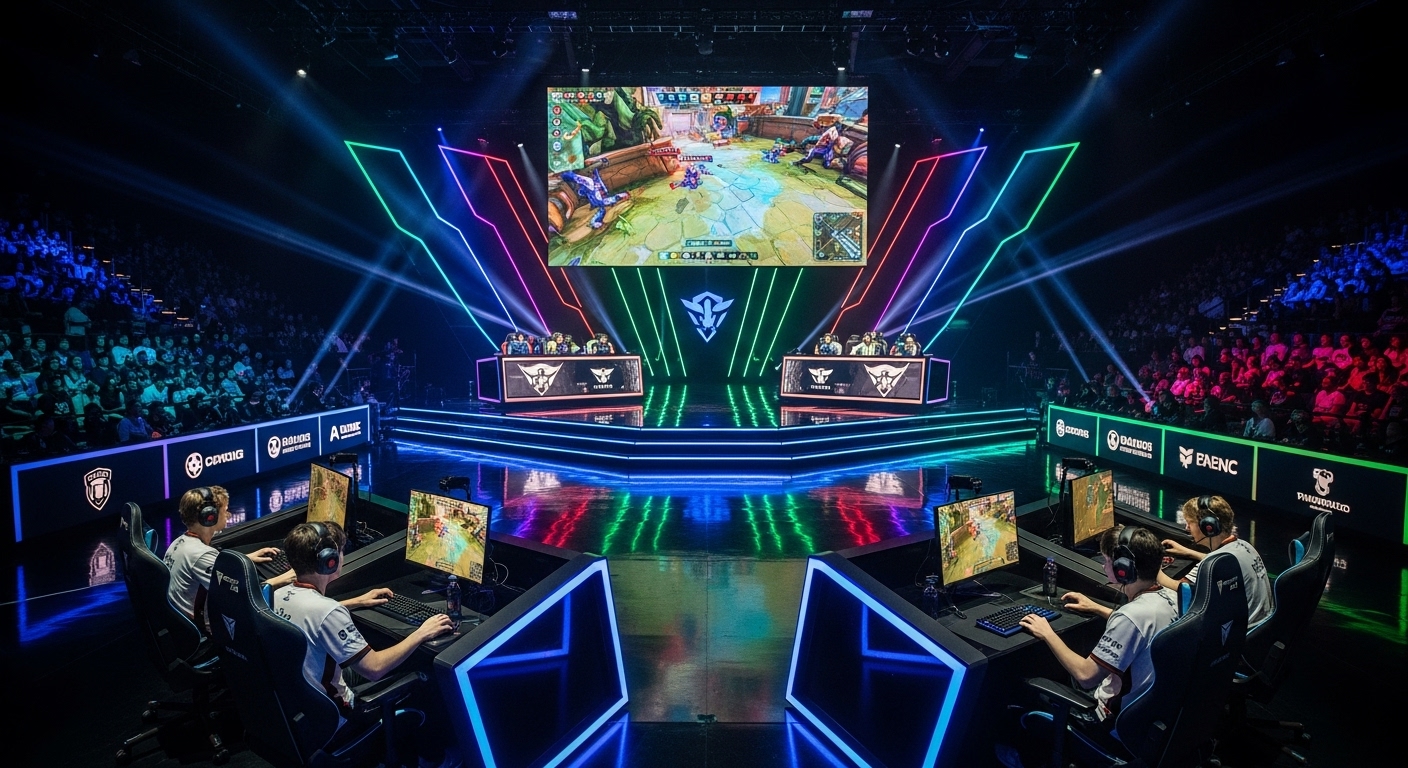
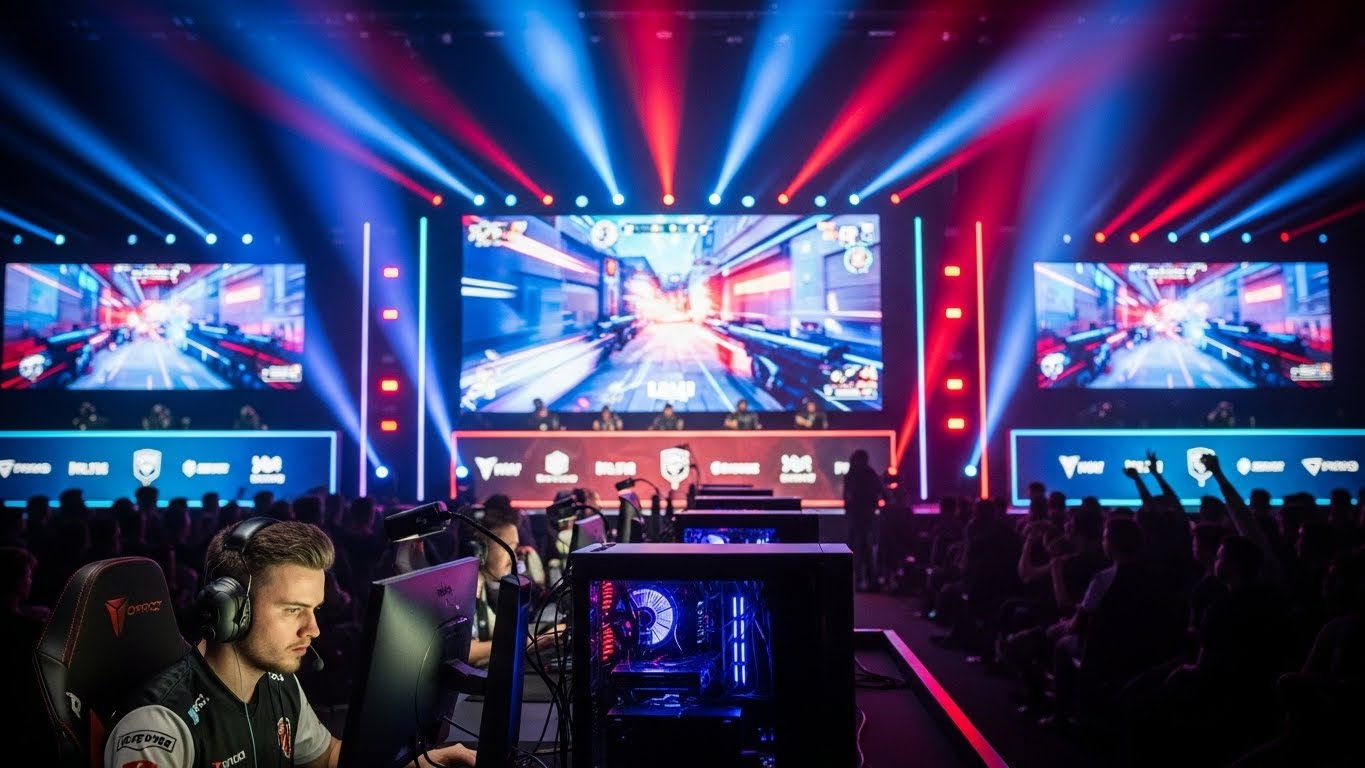
Esports, short for electronic sports, has emerged as one of the most exciting and rapidly growing sectors in the global entertainment landscape. What began as small-scale, informal competitions between friends or within local communities has now blossomed into a multi-billion-dollar industry. With global tournaments drawing millions of viewers, professional esports players earning substantial salaries, and dedicated fan bases supporting their favorite teams and games, esports has proven that it is not just a trend, but a cultural and economic force. Whether it’s watching top-tier players battle in games like “League of Legends,” “Dota 2,” or “Fortnite,” or tuning into live streams of popular tournaments, esports has firmly planted itself at the intersection of gaming, entertainment, and professional sports.
The Growth of Esports: From Casual to Competitive
The story of esports’ rise is closely linked to the rapid evolution of technology and the internet. Early video games like “Pong” or “Space Invaders” were simple, arcade-based games with limited competitive potential. However, as home consoles and personal computers became more advanced, so did the complexity and scope of the games themselves. Multiplayer games, where players could compete against each other, first started to gain popularity in the late 1990s and early 2000s.
Games like “Quake” and “StarCraft” were among the first to feature organized competitions, often fueled by passionate fan bases and online communities. These early tournaments were largely regional and had modest prize pools, but they laid the foundation for what would become a global phenomenon. Over time, major games like “Warcraft III” and “Counter-Strike” helped bring esports into the mainstream, attracting sponsorships from major companies and gaining attention from traditional sports networks.
By the mid-2000s, the introduction of dedicated esports organizations, broadcasting platforms like Twitch, and large-scale tournaments like the “World Cyber Games” (WCG) and “Electronic Sports World Cup” (ESWC) signaled that esports had officially moved into the realm of professional competition. Today, games like “League of Legends,” “Fortnite,” “Overwatch,” and “Call of Duty” boast massive esports ecosystems, complete with professional leagues, tournaments, streaming platforms, and massive fan engagement.
The Global Appeal of Esports: Connecting Players and Fans
One of the key reasons esports has achieved such rapid global growth is its ability to connect players and fans across the world. Unlike traditional sports, which are often limited by geography and access to physical infrastructure, esports can be played and watched by anyone with an internet connection. This accessibility is a major advantage, as it allows players from different countries, backgrounds, and skill levels to compete against each other in real-time.
Esports also attracts a diverse, tech-savvy audience. From young teens to adults, gamers come from all walks of life, bringing with them a wide range of cultural influences and preferences. Online platforms like Twitch and YouTube Gaming have made it easier than ever for fans to follow their favorite games and players, offering live-streamed competitions, commentary, and interaction via chat. Esports events are now broadcast globally, with millions of viewers tuning in to watch major tournaments like “The International” (Dota 2) or the “League of Legends World Championship.”
Moreover, esports is unique in its ability to create a sense of community among players and fans. Online games often have built-in social features, such as in-game chats, team formations, and forums, which encourage players to interact with each other beyond the competitive aspects of the game. This sense of community extends to the fan base, with esports organizations, teams, and influencers cultivating loyal followings on social media, streaming platforms, and at live events.
The Economics of Esports: A Multi-Billion-Dollar Industry
Esports has become a multi-billion-dollar industry, and its financial impact continues to grow each year. The influx of corporate sponsors, media rights deals, and advertising revenue has helped transform esports from a hobby into a professional career for many players and organizations. According to industry reports, global esports revenue is expected to exceed $1.5 billion by the end of 2025, driven by factors such as increased sponsorships, ticket sales, and media rights.
Sponsorship deals are a major source of revenue for esports teams and players. Companies from a wide range of industries, including technology, energy drinks, automotive, and apparel, are investing in esports sponsorships. Top-tier companies like Intel, Coca-Cola, and Red Bull have partnered with professional teams, leagues, and tournaments to market their products to the highly engaged esports audience. This trend is similar to the sponsorships seen in traditional sports, but with esports, the digital nature of the sport allows for more direct and measurable engagement.
Media rights have also become a significant source of income for the esports industry. Streaming platforms like Twitch and YouTube Gaming pay large sums to secure exclusive broadcasting rights for major events. These platforms have helped increase the visibility of esports, while traditional sports broadcasters, such as ESPN, have begun to include esports coverage in their programming. This increased media attention is helping esports reach a wider audience and further solidify its place in the mainstream entertainment landscape.
Esports as a Career: The Professional Gamer’s Path
For many, esports has transitioned from a casual hobby to a legitimate career. Professional gamers can earn substantial incomes through tournament prize pools, sponsorships, and streaming. Top esports players are now some of the highest-paid athletes in the world, with players like Johan “N0tail” Sundstein (Dota 2) and Tyler “Ninja” Blevins (Fortnite) earning millions of dollars annually.
Esports organizations have become more sophisticated, offering players professional contracts, salaries, and dedicated training facilities. Teams like Cloud9, Team Liquid, and Fnatic are now household names in the esports world, managing rosters of top players across multiple games. Players often travel the world to compete in prestigious events, with tournaments held in major cities like Los Angeles, Shanghai, and Berlin. The lifestyle of a professional esports player is demanding, with long hours of practice, travel, and performance pressure.
In addition to professional gamers, there are numerous other career opportunities within the esports industry. Coaches, analysts, event organizers, broadcasters, content creators, and social media managers all play crucial roles in the success of esports teams and tournaments. The rise of esports has also led to the creation of college programs and scholarships, allowing aspiring players and industry professionals to pursue their dreams while receiving formal education.
Esports and Technology: The Perfect Marriage
Esports wouldn’t be what it is today without the rapid advancements in technology. From powerful gaming computers and high-resolution displays to sophisticated matchmaking algorithms, technology plays a critical role in both the gameplay and viewing experience. Esports players rely on state-of-the-art equipment to gain a competitive edge, with the best players using high-performance gaming PCs, specialized peripherals, and ultra-fast internet connections.
Streaming platforms like Twitch and YouTube Gaming have also benefited from technological advancements. These platforms allow fans to watch live events, interact with players and commentators, and even participate in virtual events themselves. The integration of high-definition video, instant replays, and multi-camera setups has made esports broadcasts feel more like traditional sports broadcasts, adding an extra layer of excitement for viewers.
Furthermore, innovations in virtual reality (VR) and augmented reality (AR) are poised to shape the future of esports. While still in the early stages, VR and AR technologies have the potential to create immersive, interactive experiences that allow players and fans to feel as though they are physically present in the esports arena. These technologies could revolutionize how fans engage with their favorite teams, creating new ways to experience the thrill of esports competitions.
Challenges and Future of Esports: Maintaining Growth and Integrity
Despite its impressive growth, esports still faces several challenges. One of the most pressing concerns is maintaining the integrity of competitive gaming. As esports become more commercialized, issues related to cheating, match-fixing, and player misconduct could threaten the credibility of the sport. To address these concerns, esports organizations are implementing stricter regulations, anti-cheating measures, and ethical guidelines.
Another challenge is the need for greater inclusivity. While esports has a large and diverse audience, there is still room for improvement when it comes to gender representation. Female gamers and teams are underrepresented in the professional scene, and efforts to encourage more women to participate in esports are gaining momentum.
Looking to the future, esports is poised for continued growth. As technology advances and the global appeal of esports expands, we can expect to see more professional leagues, larger tournaments, and a broader fan base. Esports’ integration into traditional sports networks and the potential inclusion of esports in the Olympic Games further solidify its place in mainstream culture. With its ever-increasing popularity, esports is on track to become one of the most influential and dynamic entertainment sectors in the world.