Introduction: The Rise of a Digital Battleground
Esports, once dismissed as a niche hobby for teenagers in dark rooms, has transformed into a global phenomenon that rivals traditional sports in viewership, revenue, and cultural influence. What began with small competitive gaming gatherings has evolved into sold-out arenas, professional teams, celebrity players, and millions of fans watching live across the world. Esports is no longer just about playing video games; it is about competition, discipline, strategy, entertainment, and community. This blog explores the journey of esports, its structure, its impact on society, and what the future holds for this rapidly growing industry.
Understanding Esports: More Than Just Gaming
Esports, short for electronic sports, refers to organized competitive video gaming where professional players or teams compete against each other in structured tournaments. Unlike casual gaming, esports demands high-level skills, fast reflexes, deep strategic thinking, teamwork, and mental endurance. Players train for hours daily, analyze opponents, follow strict schedules, and work with coaches and analysts, much like athletes in traditional sports.
Popular esports genres include multiplayer online battle arenas, first-person shooters, real-time strategy games, sports simulations, and battle royale games. Each genre requires a unique set of skills, attracting different types of players and audiences. This diversity is one of the reasons esports has such wide appeal.
A Brief History of Esports Evolution
The roots of esports can be traced back to the early days of video gaming, when small competitions were held in arcades and universities. As internet connectivity improved, online multiplayer gaming became possible, allowing players from different regions to compete. This laid the foundation for modern esports.
The real turning point came with the rise of live streaming platforms, which made it easy for fans to watch matches in real time. Suddenly, competitive gaming was no longer limited to participants; it became a spectator sport. Sponsors, advertisers, and investors soon recognized its potential, leading to larger prize pools, professional leagues, and global tournaments.
The Structure of the Esports Ecosystem
The esports ecosystem is complex and well-organized, involving multiple stakeholders who contribute to its success.
Players are at the center of esports. Professional players often specialize in one game and dedicate years to mastering it. Many start young and rise through amateur and semi-professional ranks before joining top teams.
Teams function as professional organizations with contracts, salaries, branding, and management. They often compete in multiple games and maintain training facilities.
Tournament organizers plan and host competitions, ensuring fair play, high production quality, and engaging experiences for fans. These tournaments range from local events to international championships with millions in prize money.
Game developers play a crucial role by designing competitive-friendly games, supporting esports leagues, and balancing gameplay to keep competitions fair and exciting.
Fans complete the ecosystem. Their passion, loyalty, and engagement drive viewership, merchandise sales, and sponsorship interest.
Training, Discipline, and the Life of an Esports Athlete
Contrary to stereotypes, professional esports players lead highly disciplined lives. Training schedules often include eight to twelve hours of practice per day. This practice is not just about playing matches; it involves reviewing gameplay footage, studying opponents, refining strategies, and improving communication skills.
Physical and mental health have become increasingly important topics in esports. Many teams now employ fitness trainers, psychologists, and nutritionists to help players maintain peak performance. Reaction time, focus, stress management, and teamwork are critical factors that can decide the outcome of a match.
The career span of an esports athlete can be shorter than that of traditional athletes, making planning and adaptability essential. Some players transition into coaching, content creation, or analysis roles after retiring from competition.
Esports as Entertainment and Spectacle
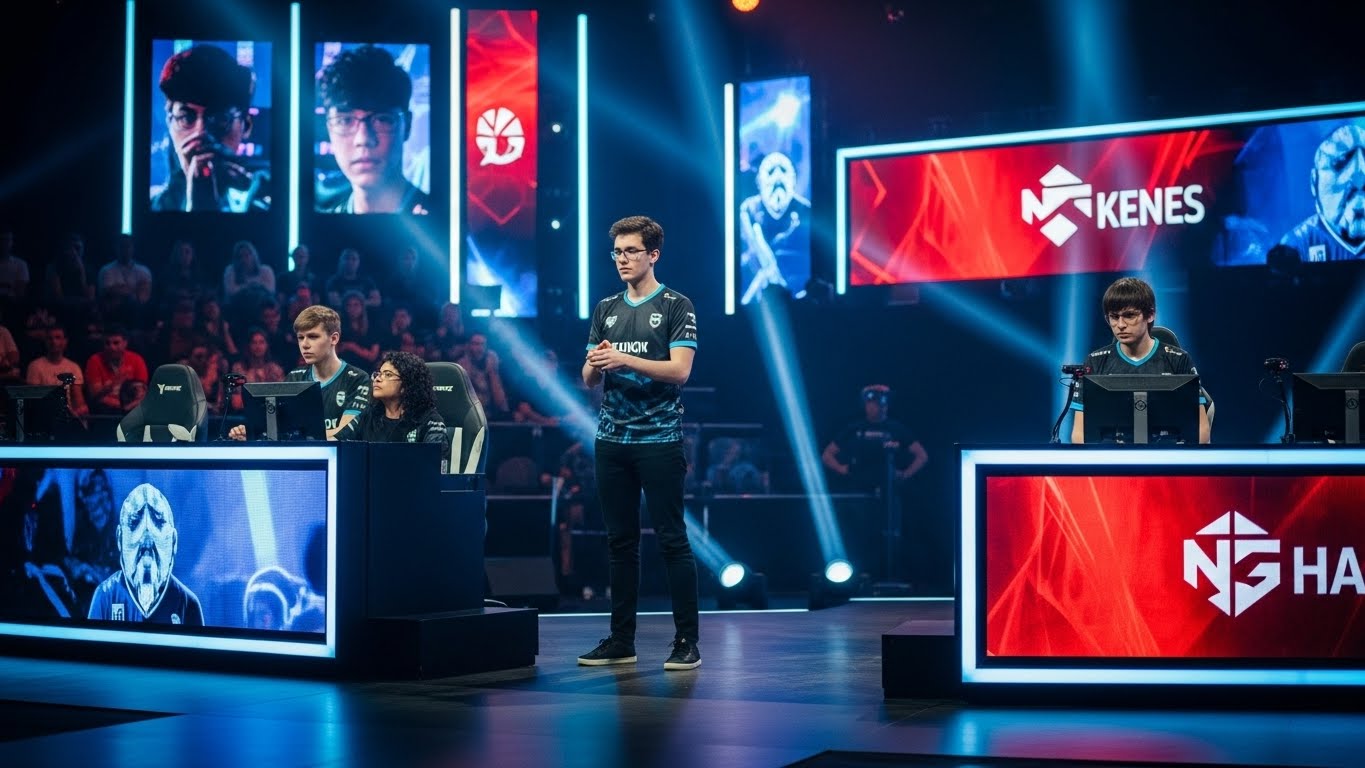
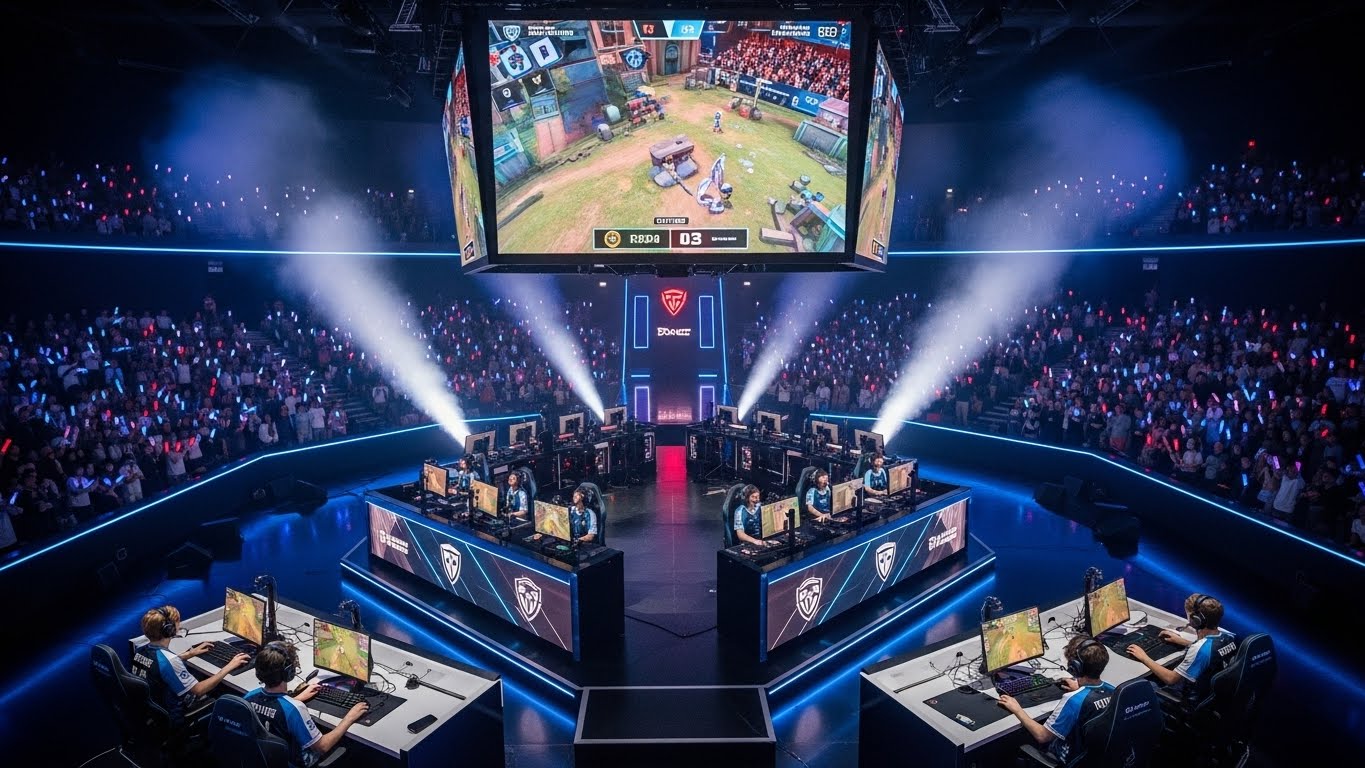
One of the key reasons esports has grown so rapidly is its entertainment value. Modern esports events are produced with high-quality visuals, professional commentary, dramatic storytelling, and interactive fan experiences. Large screens, lighting effects, live audiences, and opening ceremonies create an atmosphere similar to major sporting events.
Online viewers can engage through live chats, social media discussions, and community forums, making esports highly interactive. Fans feel closely connected to players, often following their personal journeys, challenges, and achievements.
Economic Impact and Career Opportunities
Esports has become a significant economic force, generating revenue through sponsorships, advertising, media rights, ticket sales, and merchandise. This growth has opened doors to a wide range of career opportunities beyond playing.
Jobs in esports include event management, marketing, graphic design, video production, journalism, data analysis, coaching, and community management. Educational institutions have started offering esports-related programs, recognizing the industry’s long-term potential.
Local economies also benefit from esports events, which attract tourism, create jobs, and promote technological innovation.
Cultural Influence and Social Change
Esports has had a profound impact on youth culture and global connectivity. It transcends language and geographic barriers, allowing players and fans from different backgrounds to connect through shared passion. International tournaments showcase cultural diversity and foster mutual respect among competitors.
The industry has also sparked discussions about inclusivity and representation. Efforts are being made to encourage participation from underrepresented groups and create safer, more welcoming communities. While challenges remain, progress is steadily being made through awareness and policy changes.
Esports vs Traditional Sports: A New Kind of Competition
Rather than replacing traditional sports, esports exists alongside them, offering a different form of competition. Both require skill, dedication, teamwork, and resilience. The main difference lies in the medium of play.
Interestingly, traditional sports organizations have begun investing in esports teams and leagues, recognizing shared values and audiences. This crossover has helped legitimize esports further and introduced it to new fans.
Challenges Facing the Esports Industry
Despite its success, esports faces several challenges. Player burnout, mental health concerns, inconsistent regulations, and issues related to cheating and fair play require ongoing attention. The rapid pace of growth also means the industry must constantly adapt to new technologies and audience expectations.
Sustainability is another key concern. Not all esports organizations are profitable, and long-term financial stability remains a goal for many. Addressing these challenges will be crucial for the continued growth and credibility of esports.
The Future of Esports
The future of esports looks promising and dynamic. Advances in technology such as virtual reality, augmented reality, and artificial intelligence may redefine how games are played and watched. Increased mainstream acceptance, broader media coverage, and deeper integration with education and traditional sports are likely.
Grassroots development and amateur leagues will play an important role in nurturing new talent. As infrastructure improves and global access expands, esports may reach even larger audiences and become a standard part of global sports culture.
Conclusion: A Digital Legacy in the Making
Esports represents more than competition on a screen; it reflects how technology, culture, and human ambition intersect in the modern world. From passionate players chasing excellence to fans cheering across continents, esports has created a new arena where skill, strategy, and storytelling thrive.
As the industry continues to evolve, one thing is clear: esports is not a passing trend. It is a powerful, transformative movement shaping the future of entertainment and competition. The digital arena is here to stay, and its champions are redefining what it means to be an athlete in the twenty-first century.