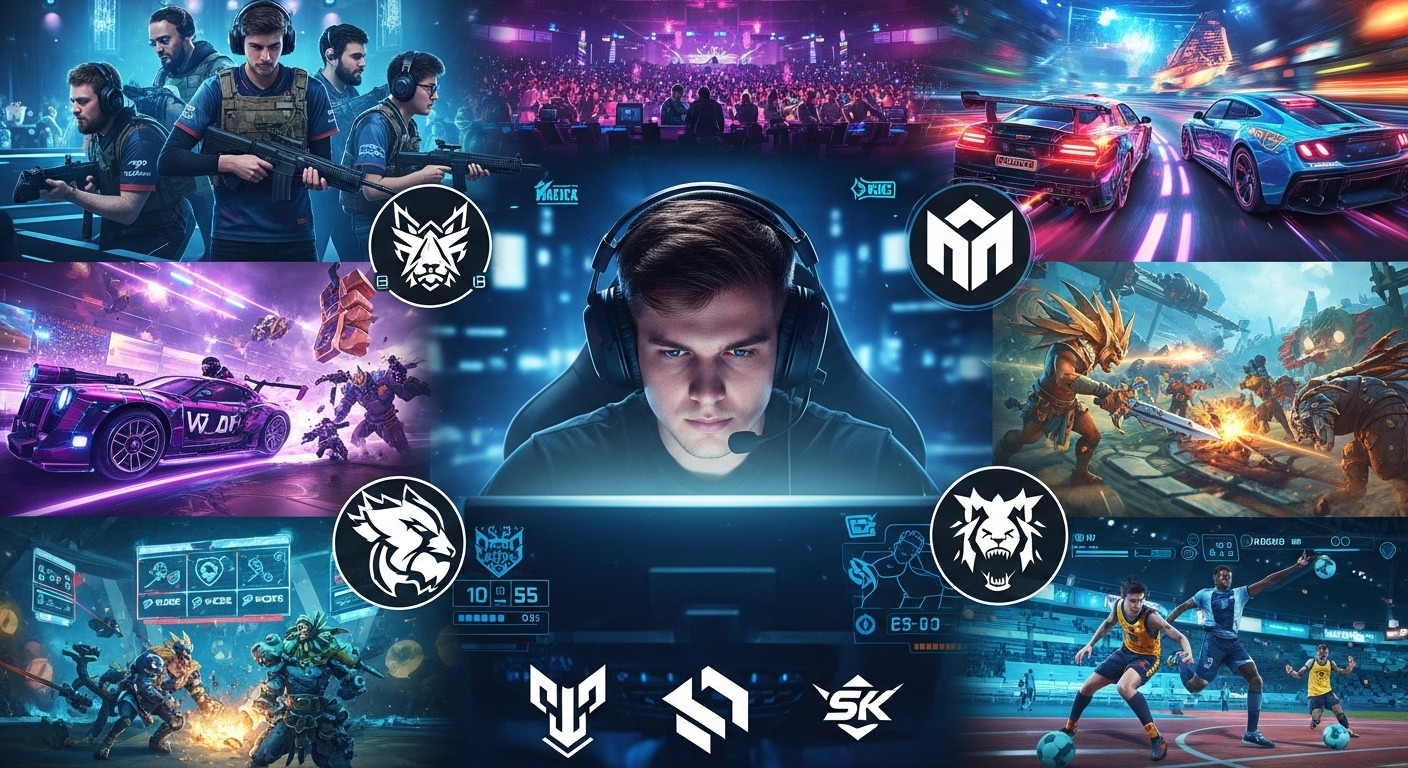
Esports, short for electronic sports, has rapidly become a global phenomenon, evolving from small-scale gaming tournaments to a multi-billion-dollar industry that rivals traditional sports in terms of viewership, revenue, and cultural impact. Once confined to passionate gaming communities, esports has blossomed into a mainstream source of entertainment, attracting millions of fans worldwide. But how did esports go from being a niche interest to one of the most exciting and rapidly growing sectors in the entertainment world? In this post, we explore the rise of esports, its significance, and what makes it stand out in the ever-expanding digital entertainment landscape.
The Birth of Esports: From Casual Gaming to Global Competition
Esports didn’t emerge overnight. It was the result of decades of innovation and growth in both the gaming and internet sectors. The concept of competitive gaming dates back to the early 1970s with the advent of arcade gaming competitions. However, it wasn’t until the late 1990s and early 2000s that esports truly began to take shape.
As internet access and broadband speeds improved, games that allowed online multiplayer action, such as StarCraft and Quake, sparked the first significant competitive gaming scenes. Players from around the world could now compete in real-time, leading to the formation of the first esports tournaments. Major events like the World Cyber Games (WCG) and Electronic Sports League (ESL) helped organize competitions on a global scale, attracting sponsorships and international attention.
These early tournaments were primarily grassroots-driven, but as games evolved and the internet became a mainstream platform, large-scale events began to take shape, laying the groundwork for the esports industry we know today.
Why Esports is Captivating Audiences Worldwide
Esports’ rapid rise can be attributed to a few key factors that make it uniquely appealing to modern audiences. First and foremost is accessibility. Unlike traditional sports, esports doesn’t require extensive physical skills or expensive equipment. All you need is a gaming setup and an internet connection. This accessibility has made esports available to a broader, more diverse audience across the globe.
Another driving force behind esports’ success is the social aspect. Online gaming platforms allow fans to watch live streams, interact with players, and join fan communities on platforms like Twitch and YouTube. This creates a sense of belonging and camaraderie among viewers, which traditional sports don’t always offer.
Esports also thrives on its fast-paced, high-stakes nature. Tournaments feature intense, nail-biting matches, where players are pitted against each other in digital arenas. The excitement, strategy, and unpredictability of the games make for captivating viewing experiences that keep fans coming back for more.
Esports as a Career: Professional Gamers and Support Roles
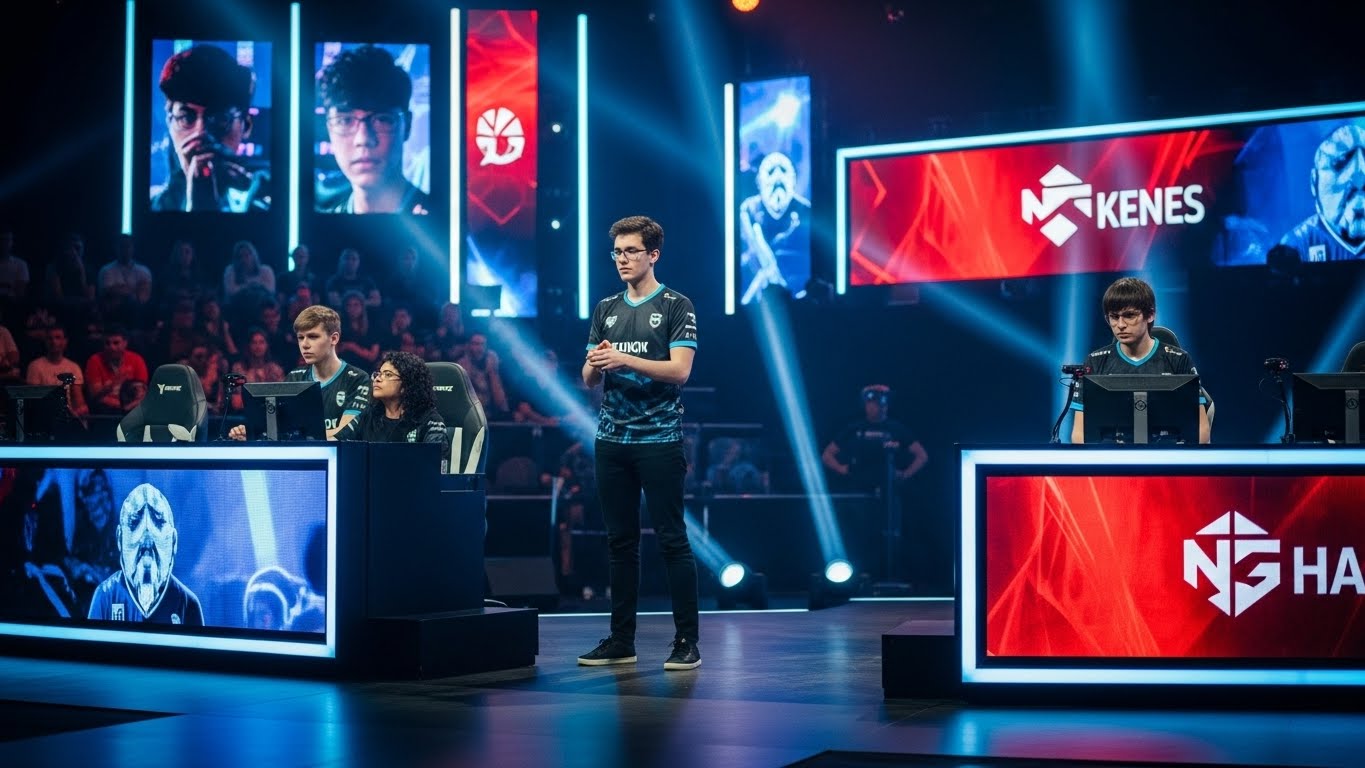
As esports has evolved, it has opened the door for many individuals to turn their passion for gaming into a legitimate career. Professional gamers are the stars of this new digital sport. These players dedicate countless hours each day refining their skills, studying gameplay, and participating in practice matches or “scrims.” Their goal is not only to compete in major tournaments but also to build large fan bases that can lead to sponsorships, endorsement deals, and paid streaming opportunities.
Top esports players can earn impressive salaries. In fact, some of the highest-paid esports athletes make millions of dollars annually, thanks to prize money, sponsorships, and their presence on social media and streaming platforms.
However, the career opportunities in esports extend beyond just players. Just like in traditional sports, esports requires a vast support network, including coaches, analysts, team managers, marketers, and event organizers. Streamers and content creators have also found lucrative careers in the esports ecosystem, with many becoming influencers or building personal brands. As the industry continues to grow, so too does the array of career options within it.
The Esports Spectacle: Tournaments and Global Events
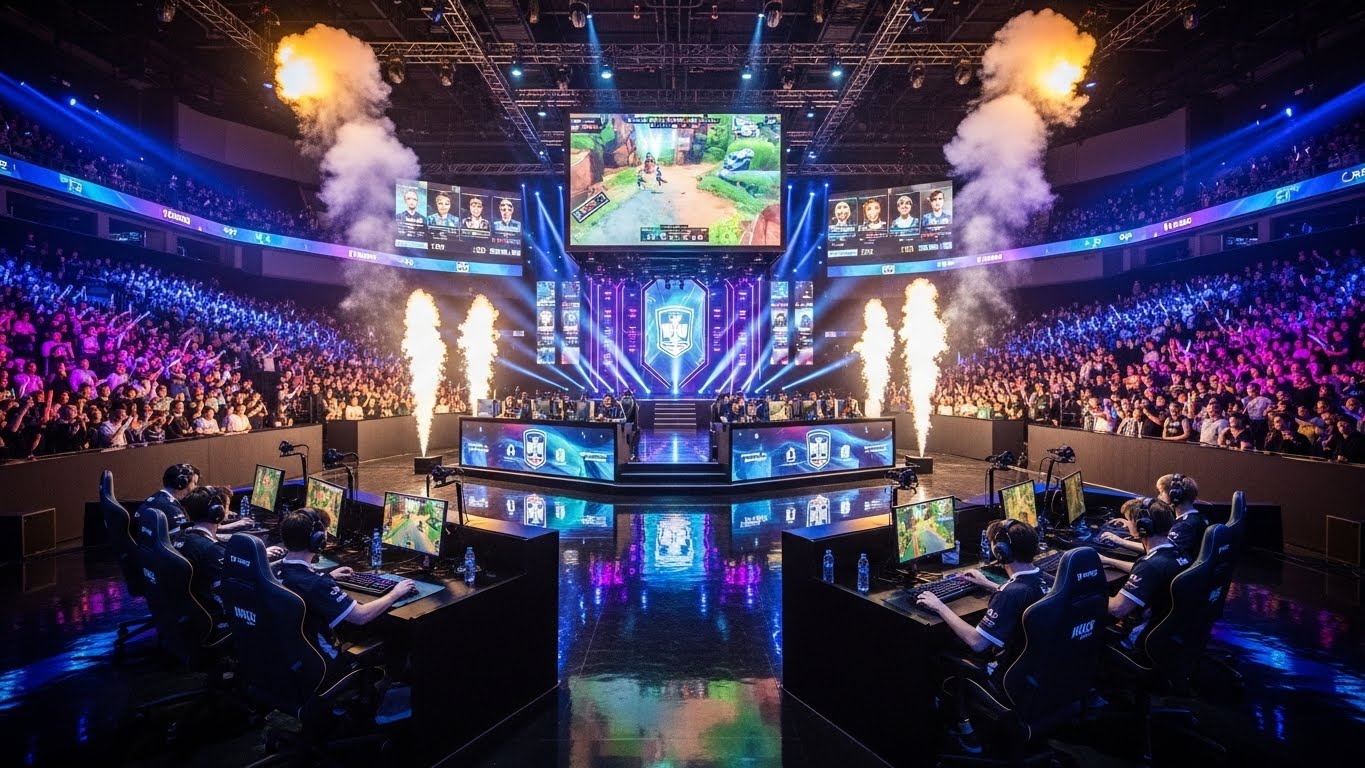
One of the major factors in the explosive growth of esports is the way it has redefined what it means to watch a competition. Esports events are now multi-million-dollar productions, with live audiences, professional commentary, high-quality production, and even halftime shows. Games like League of Legends, Dota 2, Overwatch, and Fortnite have brought fans together in massive arenas, filled with thousands of spectators who cheer on their favorite teams.
Tournaments are broadcast live on streaming platforms like Twitch, YouTube Gaming, and Facebook Gaming, drawing millions of viewers worldwide. Major events like The International, League of Legends Worlds, and BlizzCon are watched by fans from all over the world, often with prize pools in the tens of millions of dollars. These tournaments have transformed competitive gaming into an entertainment spectacle, with large sponsors, live commentary, and an atmosphere that rivals major sporting events.
What makes these events even more engaging is the interactive element. Viewers don’t just watch; they interact. They can engage with players via social media, participate in in-game activities, and even influence the way tournaments are presented. This creates a more immersive experience than simply watching a traditional sport on TV.
Esports and Its Growing Influence on Traditional Sports
Esports is not just an entertainment sector on its own—it is also influencing traditional sports. Many professional sports organizations, including those in football, basketball, and soccer, have begun to embrace esports as an extension of their brand. Sports teams and leagues have launched their own esports divisions, allowing them to tap into younger, more tech-savvy audiences. For instance, the NBA has partnered with 2K Games to launch the NBA 2K League, a professional esports league where teams play the NBA 2K video game.
Esports’ success has also prompted sponsorships from mainstream brands. Companies like Nike, Coca-Cola, Intel, and Red Bull have recognized the value of esports as a marketing platform, sponsoring teams, tournaments, and players. This influx of traditional sports money has elevated the legitimacy of esports, making it a valuable industry that is now on the radar of major global brands.
Challenges Facing the Esports Industry
While esports continues to thrive, it faces its own set of challenges. One of the biggest concerns is player burnout. Just like traditional athletes, professional gamers spend long hours training, and the pressure to perform at the highest level can take a toll on their mental and physical health. As the esports industry matures, it will need to implement better systems to support players’ well-being, ensuring that they are equipped to handle the demands of professional gaming.
Another issue is the need for regulation. While some games and tournaments are well-organized, the lack of standardization across the industry leaves room for cheating, match-fixing, and unfair competition. As esports grows in popularity, there will need to be more robust oversight to maintain integrity and fairness in the competition.
Additionally, while esports is growing more inclusive, there is still work to be done to ensure that all groups are represented. Gender, race, and cultural diversity are important issues that need to be addressed for esports to become a truly global and inclusive sport.
The Future of Esports: What Lies Ahead?
The future of esports looks bright, with the industry showing no signs of slowing down. As technology continues to advance, esports is likely to become even more immersive, with virtual reality (VR) and augmented reality (AR) opening up new ways for fans to interact with games. We may see fully immersive, 360-degree broadcasts or even VR esports tournaments that place viewers inside the action.
The global expansion of esports is also expected to continue. As internet infrastructure improves, more regions—especially in developing countries—will gain access to online gaming, providing new opportunities for both players and fans.
As esports continues to grow, the opportunities for young talent are limitless. Whether in gaming, content creation, coaching, or event organization, the rise of esports has created an entire ecosystem of careers that didn’t exist a decade ago.
Conclusion: Esports is the Future of Competition
Esports is more than just a trend—it’s a cultural shift that’s reshaping how we view competition and entertainment. With its ability to connect millions of fans, create new career opportunities, and provide an immersive viewing experience, esports is becoming a major player in the global entertainment industry. As the industry continues to mature and evolve, esports will only grow in influence, setting the stage for a new era of competitive sports. For those who are already part of the scene or those just discovering it, one thing is certain—Esports is here to stay.