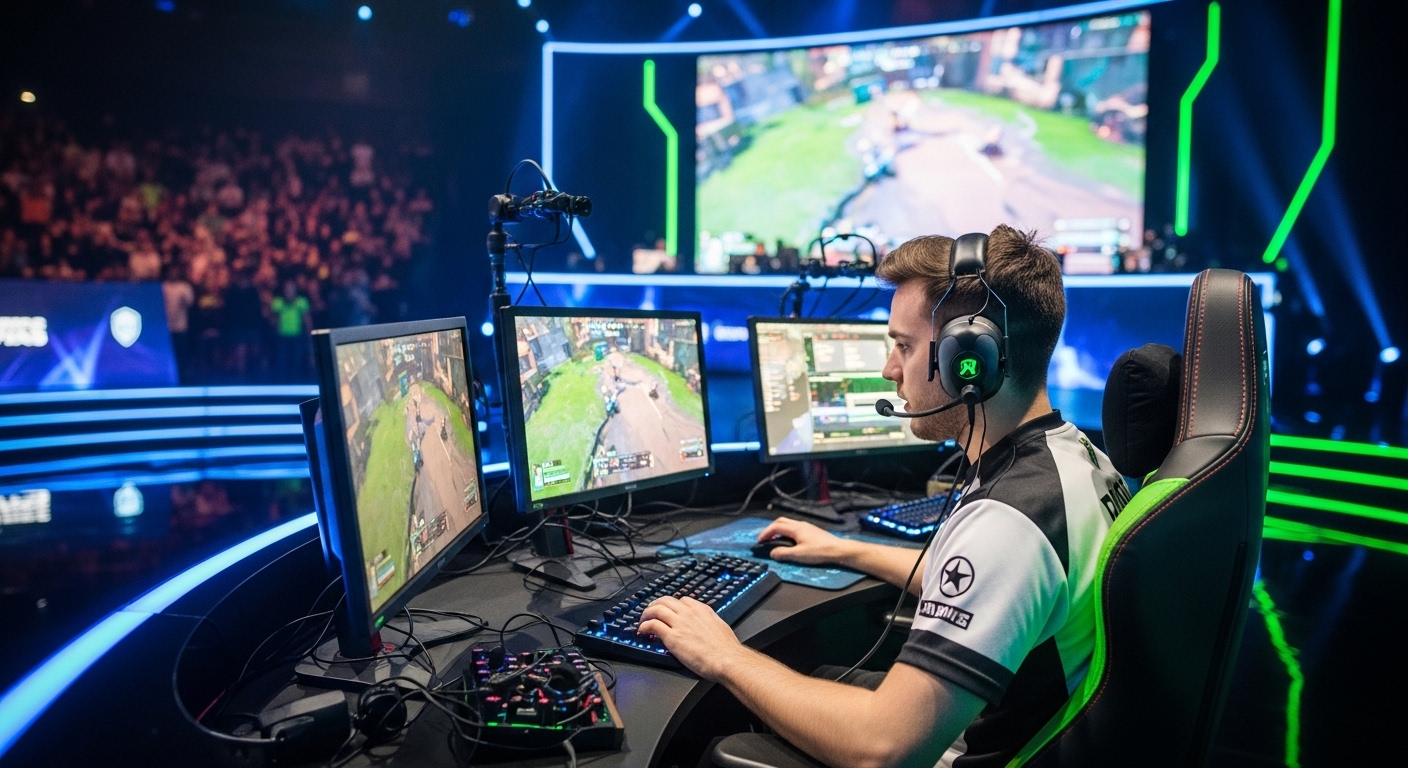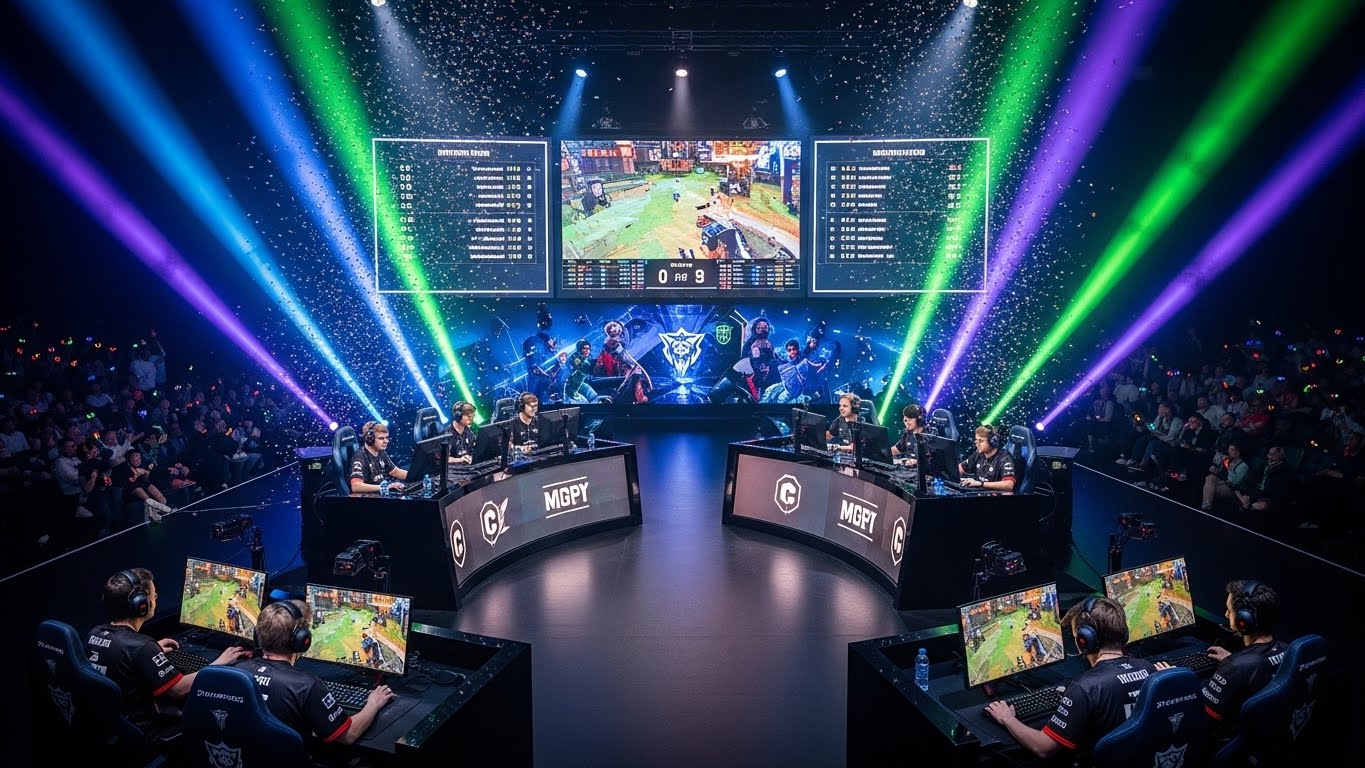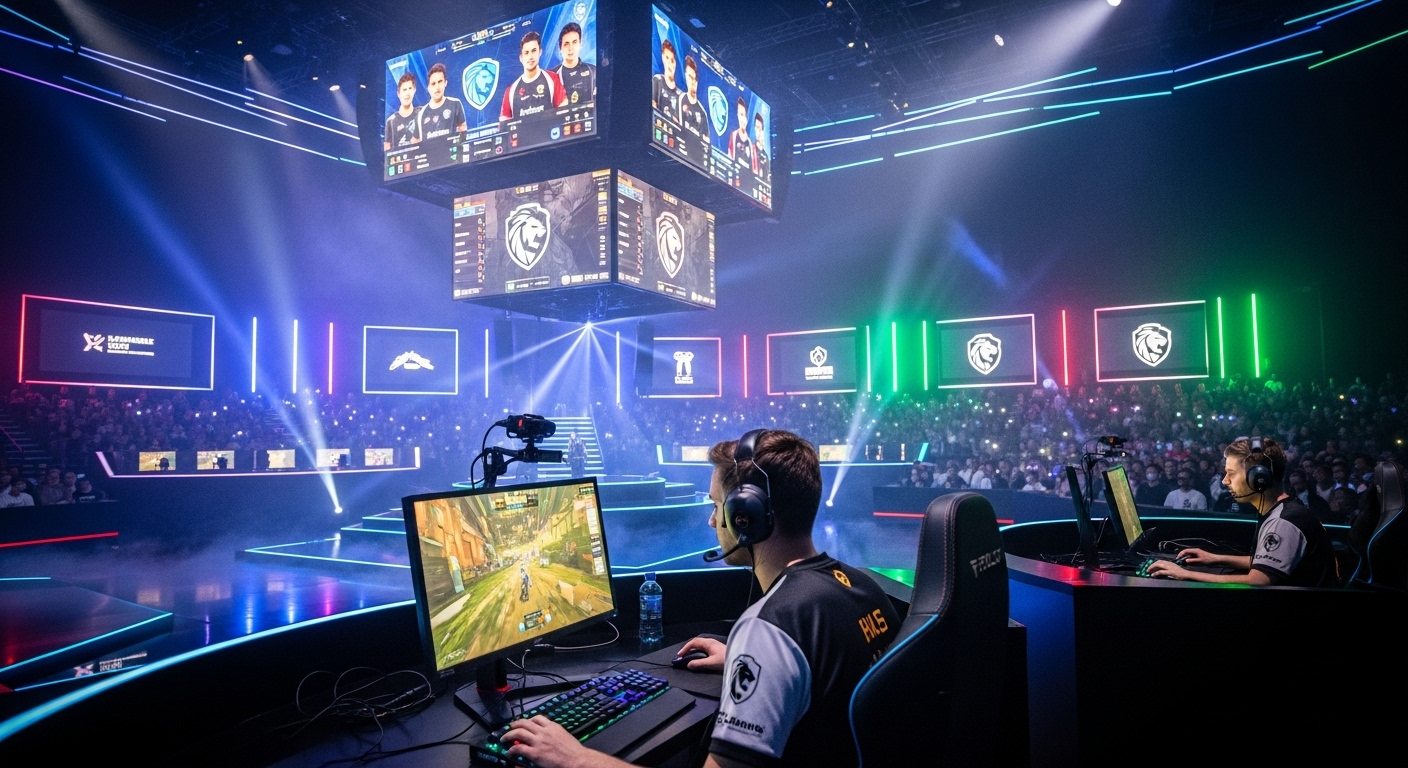
Esports has transformed from a niche hobby into a global phenomenon. What was once considered casual gaming is now a structured, competitive industry drawing millions of viewers, players, and investors worldwide. The term “esports” refers to organized, competitive video gaming, often involving professional players, tournaments, and large-scale online or offline events. From grassroots competitions in small gaming cafes to grand arenas with tens of thousands of spectators, esports has carved a unique place in modern culture.
The growth of esports has been remarkable. In the early 2000s, competitive gaming was largely restricted to local tournaments and LAN parties. Games like StarCraft and Counter-Strike set the stage for organized competition, but the scale was limited. Today, esports spans multiple genres, including first-person shooters, strategy games, sports simulations, and battle royale titles. The accessibility of high-speed internet, streaming platforms, and advanced gaming technology has fueled this expansion, allowing players and audiences from across the globe to participate and engage in esports events.
Understanding the Competitive Landscape
Esports encompasses a diverse array of competitive gaming genres. Each genre has its own unique mechanics, communities, and professional scenes. Some of the most prominent genres include:
1. First-Person Shooters (FPS):
Games like Counter-Strike: Global Offensive, Call of Duty, and Valorant fall into this category. FPS games emphasize precision, reflexes, and strategic team coordination. Professional FPS teams practice extensively to perfect strategies and maintain split-second reaction times during tournaments.
2. Multiplayer Online Battle Arenas (MOBA):
MOBA games, such as League of Legends and Dota 2, combine strategy, teamwork, and individual skill. Players control characters with unique abilities and collaborate to destroy the opposing team’s base. MOBA tournaments often feature intense draft strategies and require deep understanding of game mechanics.
3. Real-Time Strategy (RTS):
RTS games, including StarCraft II and Age of Empires, challenge players to manage resources, control units, and execute long-term strategies. Esports in this genre highlight critical thinking, multitasking, and adaptability under pressure.
4. Sports Simulations:
Titles like FIFA, NBA 2K, and Madden NFL replicate real-world sports in a digital environment. Competitive gaming in sports simulations allows professional athletes and enthusiasts alike to demonstrate skill, precision, and tactical decision-making.
5. Battle Royale and Survival Games:
Fortnite, PUBG, and Apex Legends are examples of this genre. These games combine shooting mechanics, exploration, and survival tactics. Competitive tournaments often feature fast-paced action and dramatic, unpredictable outcomes.
The diversity of esports genres ensures that there is something for every type of gamer. Each genre attracts dedicated communities, and professional leagues offer structured competition that mirrors traditional sports.
Esports as a Career
In the past decade, esports has evolved into a legitimate career path. Professional players, coaches, analysts, and content creators can earn substantial income through tournaments, sponsorships, streaming, and team salaries. Top-tier players in popular games earn six-figure incomes, while successful streamers can achieve even greater financial success.
Professional Players:
Becoming a professional esports player requires dedication, skill, and constant practice. Players spend hours each day honing their abilities, analyzing strategies, and maintaining peak performance. Teams often recruit talent from online ladders or amateur tournaments, providing structured training and support.
Coaches and Analysts:
Behind every successful esports team is a team of coaches and analysts. Coaches focus on player development, strategy formulation, and team coordination. Analysts provide data-driven insights, studying opponents’ gameplay and identifying weaknesses to exploit during matches.
Content Creators and Streamers:
Beyond competitive play, esports offers opportunities for content creation. Streamers build communities through platforms like Twitch and YouTube, sharing gameplay, tutorials, and entertainment. Their influence extends beyond gaming, often impacting fan culture and industry trends.
Event Organizers and Management:
Organizing esports events involves logistics, marketing, and production. Tournament organizers ensure that events run smoothly, attract viewers, and provide fair competition. Event management has become a vital part of the esports ecosystem, creating employment opportunities outside direct gameplay.
The Economics of Esports
The esports industry has become a multi-billion-dollar enterprise, attracting investors, sponsors, and advertisers. Revenue comes from various streams, including tournament prize pools, media rights, sponsorships, merchandise, and digital content.
Prize Pools:
Tournaments like The International in Dota 2 and the League of Legends World Championship feature massive prize pools, often reaching millions of dollars. Prize money incentivizes players and teams to compete at the highest level, while also attracting fan interest and media coverage.
Sponsorships and Endorsements:
Brands recognize the value of esports audiences, which are highly engaged and predominantly young. Sponsorship deals with energy drinks, hardware manufacturers, and lifestyle brands provide teams with financial support and exposure.
Streaming and Broadcasting:
Esports events are widely streamed on platforms like Twitch, YouTube, and regional alternatives. Media rights and ad revenue from streaming are essential components of the esports economy, offering both teams and tournament organizers sustainable income.
Merchandise and In-Game Purchases:
Many esports organizations sell merchandise, including jerseys, collectibles, and branded accessories. Additionally, games often feature cosmetic in-game purchases, some of which are linked to esports events, further monetizing the competitive scene.
The financial growth of esports has created a professional ecosystem similar to traditional sports, where teams, leagues, and sponsors thrive through collaboration and innovation.
The Cultural Impact of Esports
Esports has not only transformed gaming but has also influenced popular culture. Competitive gaming has fostered a sense of community, identity, and creativity among players and fans alike.
Community and Fan Culture:
Esports fans are highly passionate, forming communities around their favorite teams, players, and games. Online forums, social media groups, and fan clubs provide spaces for discussion, strategy sharing, and content creation. This communal aspect strengthens engagement and loyalty.
Representation and Diversity:
The rise of esports has expanded representation in gaming. While early competitive scenes were dominated by specific demographics, modern esports is increasingly diverse, with players and fans from different genders, nationalities, and backgrounds participating at every level.
Influence on Media and Entertainment:
Esports has inspired documentaries, films, and television content, showcasing the lives of professional players and the intensity of competitive gaming. Music, fashion, and other forms of entertainment have integrated esports culture, blurring the lines between digital sports and mainstream media.
Educational Opportunities:
Some universities now offer scholarships for esports players, as well as academic programs focused on esports management, game design, and digital media. This formal recognition of esports as a legitimate field highlights its growing cultural and educational significance.
The Evolution of Esports Technology
Technological advancements have been integral to the development of esports. High-performance gaming rigs, streaming software, and online platforms have enabled players to compete at unprecedented levels.
Gaming Hardware:
Modern esports relies on specialized hardware, including high-refresh-rate monitors, precision mice, and custom controllers. Performance optimization is critical, as even minor delays or input lag can determine the outcome of competitive matches.
Streaming and Broadcasting Technology:
The accessibility of high-speed internet and streaming platforms allows millions of fans to watch esports live. Advanced broadcasting tools, including overlays, real-time stats, and multi-camera angles, enhance the viewing experience and attract sponsorships.
Game Development and Updates:
Developers frequently release patches, balance changes, and new content to keep games competitive and engaging. Esports developers often work closely with the competitive community to ensure gameplay remains fair and dynamic, shaping the evolution of each title.
Data Analytics and AI:
Teams now leverage data analytics and AI tools to optimize performance. Match analysis, opponent scouting, and predictive modeling provide strategic advantages, turning esports into a highly analytical and performance-driven discipline.
Major Esports Events
Esports tournaments have grown in scale and prestige, attracting global attention and massive viewership. These events are more than competitions; they are cultural spectacles that celebrate gaming excellence.
The International (Dota 2):
The International is one of the largest esports tournaments in the world, featuring enormous prize pools and elite teams from across the globe. The event has become synonymous with competitive excellence and international collaboration.
League of Legends World Championship:
The LoL World Championship is a marquee event in the MOBA scene, drawing millions of live viewers and fans online. Its intricate production, themed presentations, and high-stakes competition make it a landmark esports spectacle.
CS:GO Majors:
Counter-Strike: Global Offensive Majors are iconic in the FPS esports world. These events showcase elite gameplay, with teams demonstrating precision shooting, tactical coordination, and strategic depth.
Fortnite World Cup:
The Fortnite World Cup has popularized battle royale esports, appealing to younger audiences and integrating entertainment with competition. Its dynamic format, creative challenges, and celebrity appearances have expanded esports’ mainstream appeal.
Overwatch League and Call of Duty League:
Franchise-based leagues such as Overwatch League and Call of Duty League mirror traditional sports structures, with city-based teams, regular seasons, and playoffs. These leagues have brought stability and professionalism to esports organization and competition.
The Future of Esports
The future of esports is filled with potential. Technological advancements, increased investment, and expanding audiences indicate continued growth and innovation.
Virtual Reality and Immersive Gaming:
Virtual reality (VR) and augmented reality (AR) are poised to reshape esports experiences. Immersive technologies could create new competitive formats and spectator experiences, blending physical and digital realms.
Global Expansion:
Esports is spreading into emerging markets, with regions such as Southeast Asia, Latin America, and Africa showing tremendous growth. This expansion will diversify talent pools, fan bases, and cultural influence.
Integration with Traditional Sports:
Partnerships between esports and traditional sports organizations are increasing. Clubs are investing in esports teams, and cross-promotional events are becoming common, bridging the gap between digital and physical sports.
Health and Sustainability:
As esports grows, focus on player health, mental well-being, and sustainable practices is becoming more critical. Proper ergonomics, mental health support, and balanced training regimens will be vital for maintaining long-term careers in competitive gaming.
Technological Innovations:
Advances in AI, analytics, and cloud gaming will continue to enhance performance, accessibility, and audience engagement. New platforms may enable more interactive and personalized viewing experiences, transforming esports into an even more immersive form of entertainment.
Conclusion
Esports has transcended its origins as a hobby to become a global cultural, economic, and technological force. Its growth reflects not only the evolution of gaming but also the human desire for competition, community, and innovation. With professional players, massive tournaments, and a thriving fan culture, esports is poised to remain a central part of entertainment for years to come. As technology advances and global interest expands, the possibilities for esports are virtually limitless, promising new experiences for players, fans, and the industry alike.
The story of esports is far from over. Each day brings new games, emerging talent, and unprecedented opportunities for those willing to embrace the digital arena. For enthusiasts and professionals alike, esports is not just about playing games—it is about participating in a dynamic, ever-changing world where skill, strategy, and passion converge to create something extraordinary.