Introduction: The Rise of a New Arena
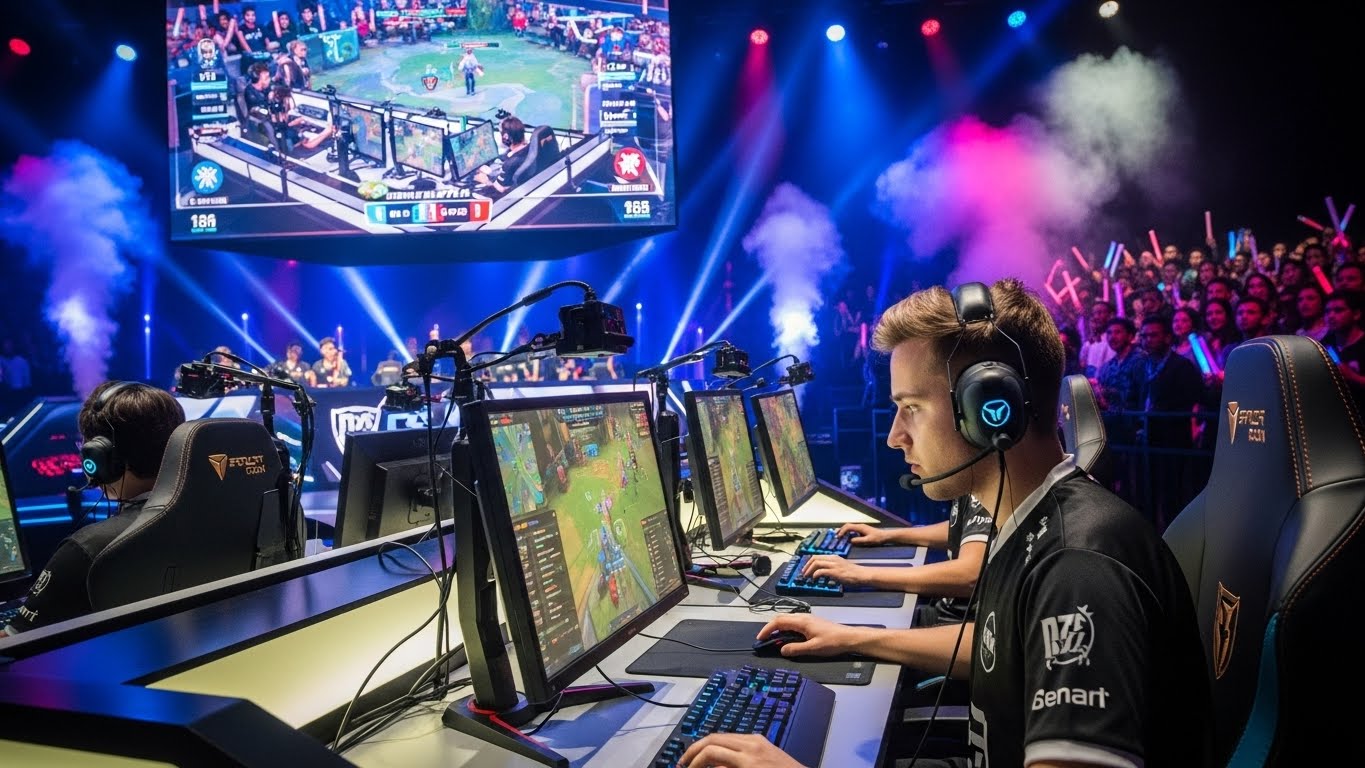
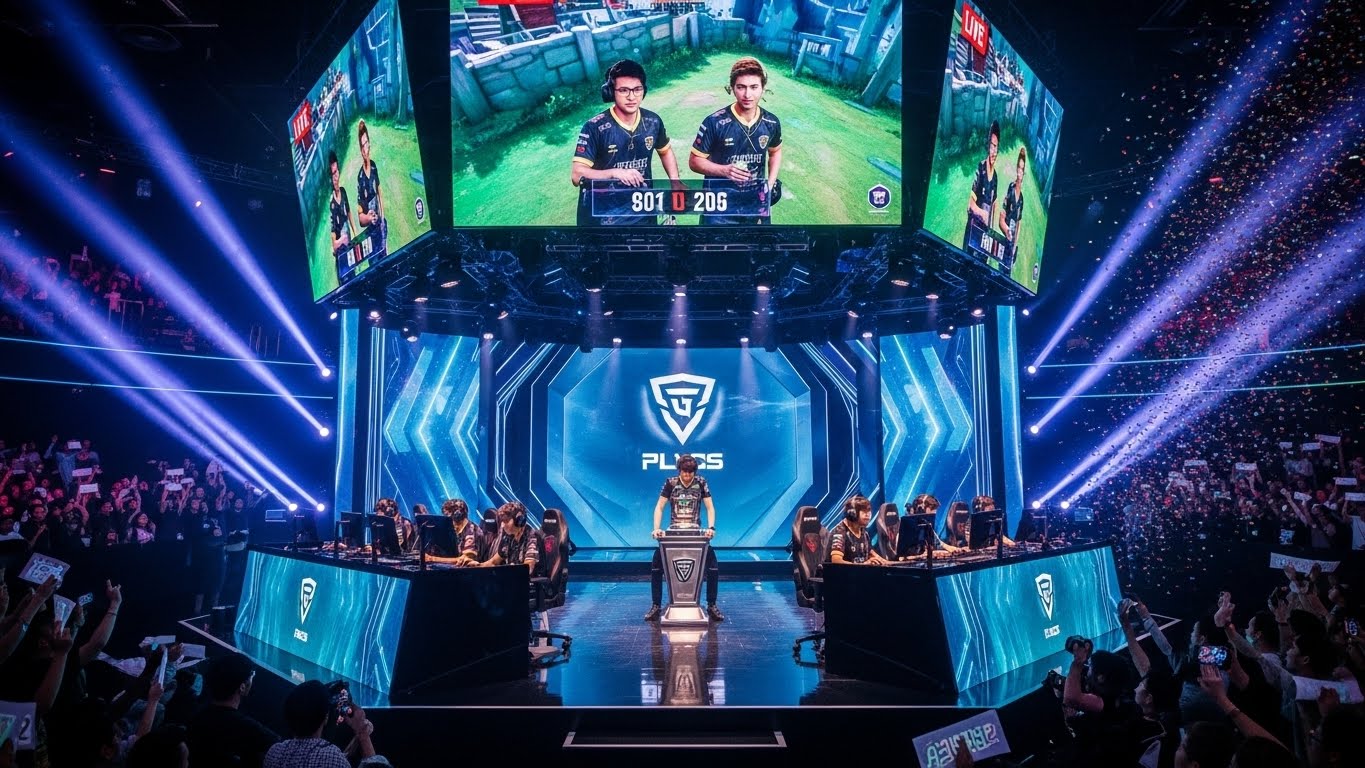
In less than three decades, esports has transformed from casual gaming among friends into a global competitive phenomenon. What once took place in small rooms and local arcades now fills massive stadiums, attracts millions of online viewers, and generates billions in revenue. Esports is no longer just about playing games; it represents a cultural shift in how competition, entertainment, and technology intersect. This blog explores the evolution of esports, its ecosystem, its impact on society, and what the future holds for this digital battleground.
Understanding Esports Beyond Gaming
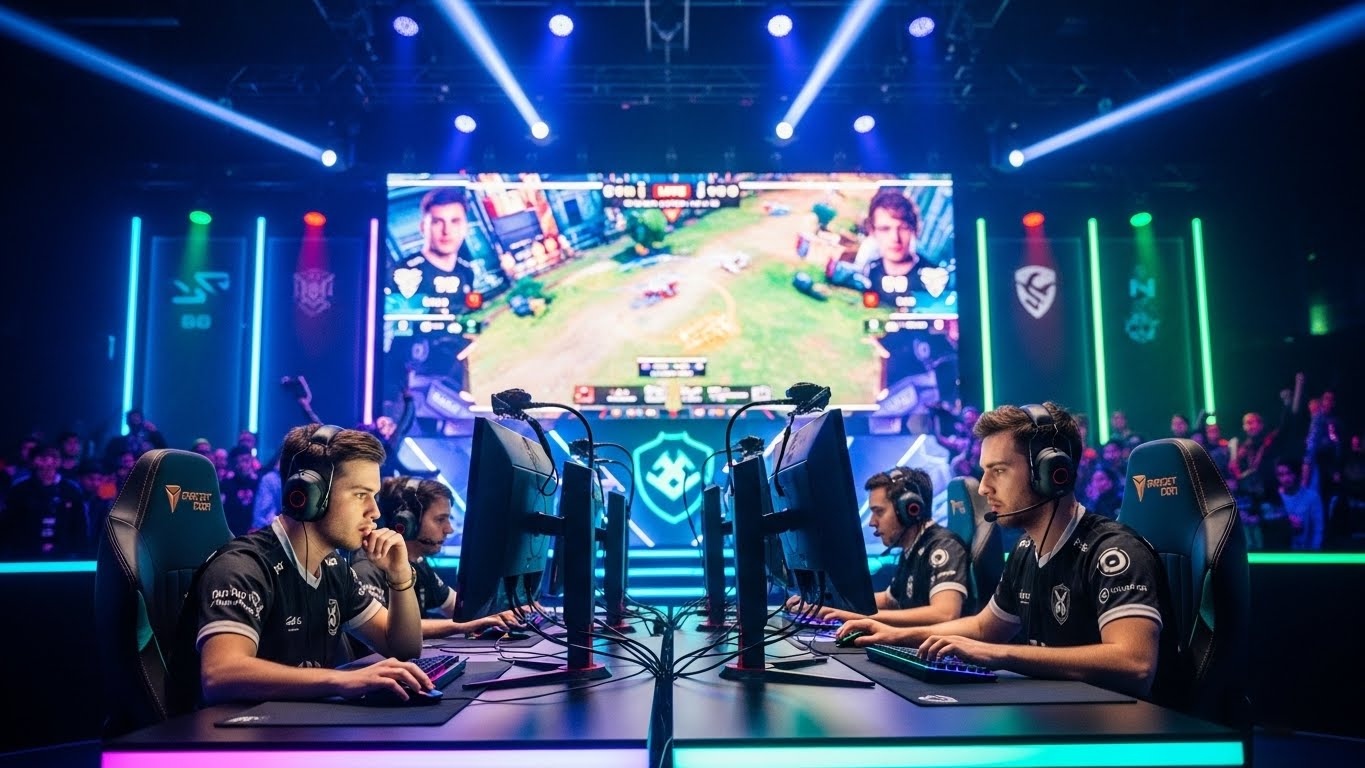
Esports, short for electronic sports, refers to organized competitive video gaming where individuals or teams compete in professional tournaments. Unlike traditional gaming, esports emphasizes structured leagues, professional players, coaching staff, sponsorships, and dedicated fan bases. Titles across genres such as strategy, shooters, sports simulations, and multiplayer online battle arenas form the backbone of esports competition.
What sets esports apart is not just skill, but consistency, strategy, teamwork, and mental resilience. Professional players train rigorously, analyze opponents, and follow disciplined schedules much like athletes in traditional sports.
A Brief History of Competitive Gaming
Competitive gaming traces its roots back to the early days of video games, when players competed for high scores in arcades. The 1990s saw the rise of local area network tournaments, especially with the growth of personal computers. As internet connectivity improved, online multiplayer games enabled global competition.
The real turning point came in the early 2000s when professional leagues began forming, supported by sponsors and media coverage. Streaming platforms later revolutionized viewership, allowing fans worldwide to watch live matches, follow players, and engage with communities in real time. This accessibility fueled exponential growth and pushed esports into mainstream consciousness.
The Esports Ecosystem Explained
The esports industry operates as a complex ecosystem with multiple interconnected components. At its core are the players, who dedicate years to mastering their chosen games. Surrounding them are teams and organizations that manage contracts, branding, and training environments.
Tournament organizers create leagues and events, while game developers maintain competitive balance and updates. Broadcasters and commentators translate gameplay into engaging narratives for viewers. Sponsors, advertisers, and merchandise partners provide financial backing, making esports economically sustainable.
Finally, the fans complete the ecosystem. Their passion, loyalty, and engagement give esports its energy and purpose, turning competitions into global spectacles.
Esports as a Career Path
One of the most remarkable aspects of esports is its ability to create new career opportunities. Professional players can earn income through salaries, prize money, sponsorships, and streaming. Beyond playing, there are roles in coaching, analysis, team management, event production, marketing, and content creation.
For many young people, esports offers an alternative career path aligned with digital skills and creativity. Educational institutions in various regions now recognize esports by offering scholarships, degrees, and training programs focused on game design, event management, and esports business.
The Role of Technology and Innovation
Technology is the backbone of esports. High-performance computers, advanced graphics, low-latency internet, and sophisticated software enable competitive fairness and immersive experiences. Streaming technology allows matches to be broadcast globally with interactive features such as live chat and real-time statistics.
Virtual reality, augmented reality, and artificial intelligence are beginning to influence esports as well. These innovations enhance training, improve viewer engagement, and open new possibilities for how competitions are played and consumed.
Cultural Impact and Global Reach
Esports has become a cultural bridge connecting people across borders. Players and fans from different countries interact through shared interests, fostering global communities. Major tournaments often feature diverse rosters, multilingual broadcasts, and international fan bases.
Esports also influences popular culture, fashion, music, and media. Professional players are celebrated as celebrities, while esports events resemble festivals with elaborate stage designs and performances. This cultural integration demonstrates that esports is not a niche hobby but a significant part of modern entertainment.
Challenges Facing the Esports Industry
Despite its growth, esports faces several challenges. Player burnout is a serious concern due to intense training schedules and high pressure. Maintaining competitive integrity, preventing cheating, and ensuring fair play remain ongoing priorities.
Financial sustainability can also be difficult for smaller organizations, as operating costs are high and revenue streams can be unpredictable. Additionally, balancing inclusivity and addressing issues such as harassment and unequal representation requires continuous effort from all stakeholders.
Esports and Traditional Sports Comparison
Esports and traditional sports share many similarities, including structured leagues, fan loyalty, sponsorships, and athlete training. However, esports differs in accessibility, as anyone with the right equipment and internet connection can participate.
The line between the two worlds is increasingly blurred. Traditional sports organizations invest in esports teams, while athletes and clubs explore digital competition to engage younger audiences. This convergence suggests a future where both forms of competition coexist and complement each other.
The Future of Esports
The future of esports appears promising and dynamic. As technology advances, games will become more immersive, and viewing experiences more interactive. Increased recognition from educational institutions, governments, and mainstream media will further legitimize esports as a professional field.
Grassroots development, youth programs, and inclusive initiatives are likely to expand the talent pool. With continued innovation and responsible growth, esports has the potential to redefine how society views competition, entertainment, and digital communities.
Conclusion: More Than Just a Game
Esports represents a new chapter in the history of competition. It blends technology, creativity, and human skill into a form of entertainment that resonates with a digital-first generation. From humble beginnings to global dominance, esports has proven that virtual arenas can be just as powerful and meaningful as physical ones.
As esports continues to evolve, it challenges traditional notions of sports and opens doors to new possibilities. What started as pixels on a screen has become a global movement, shaping the future of competition in the digital age.