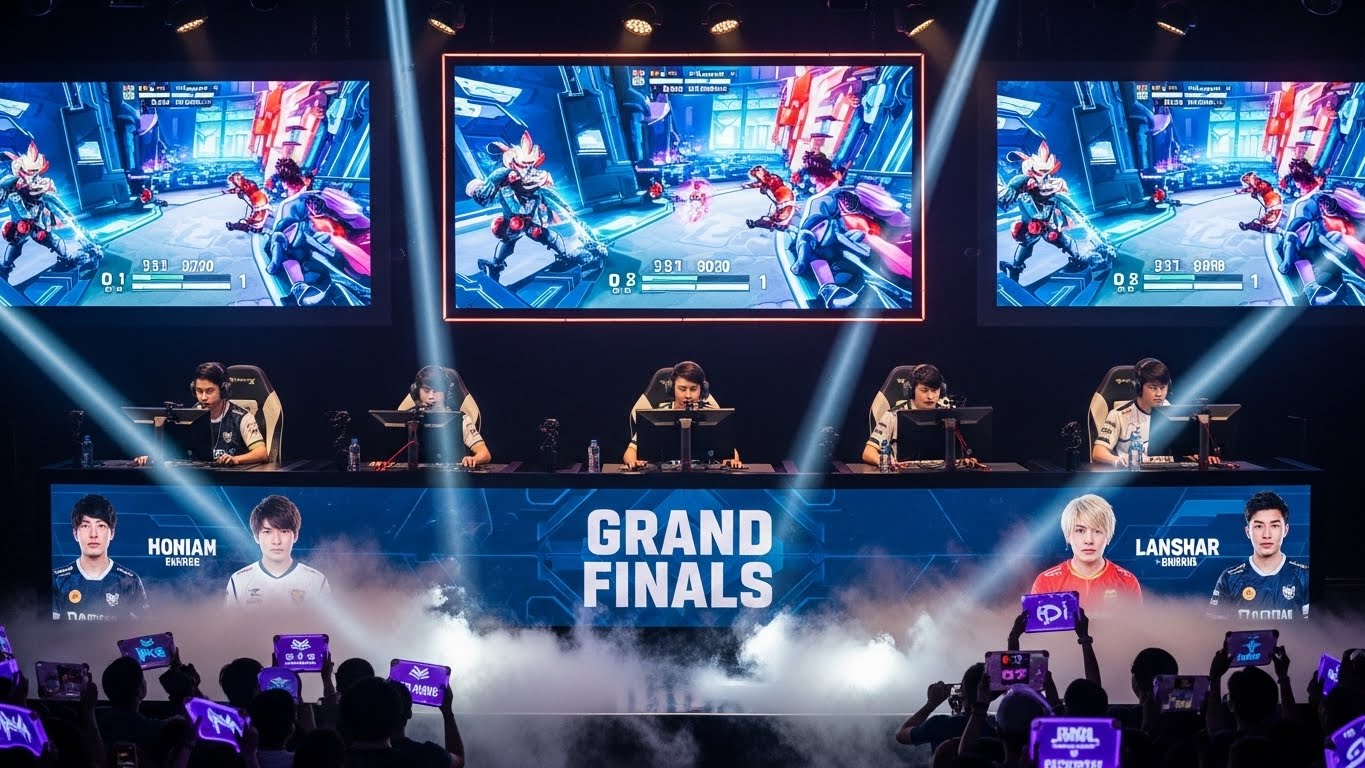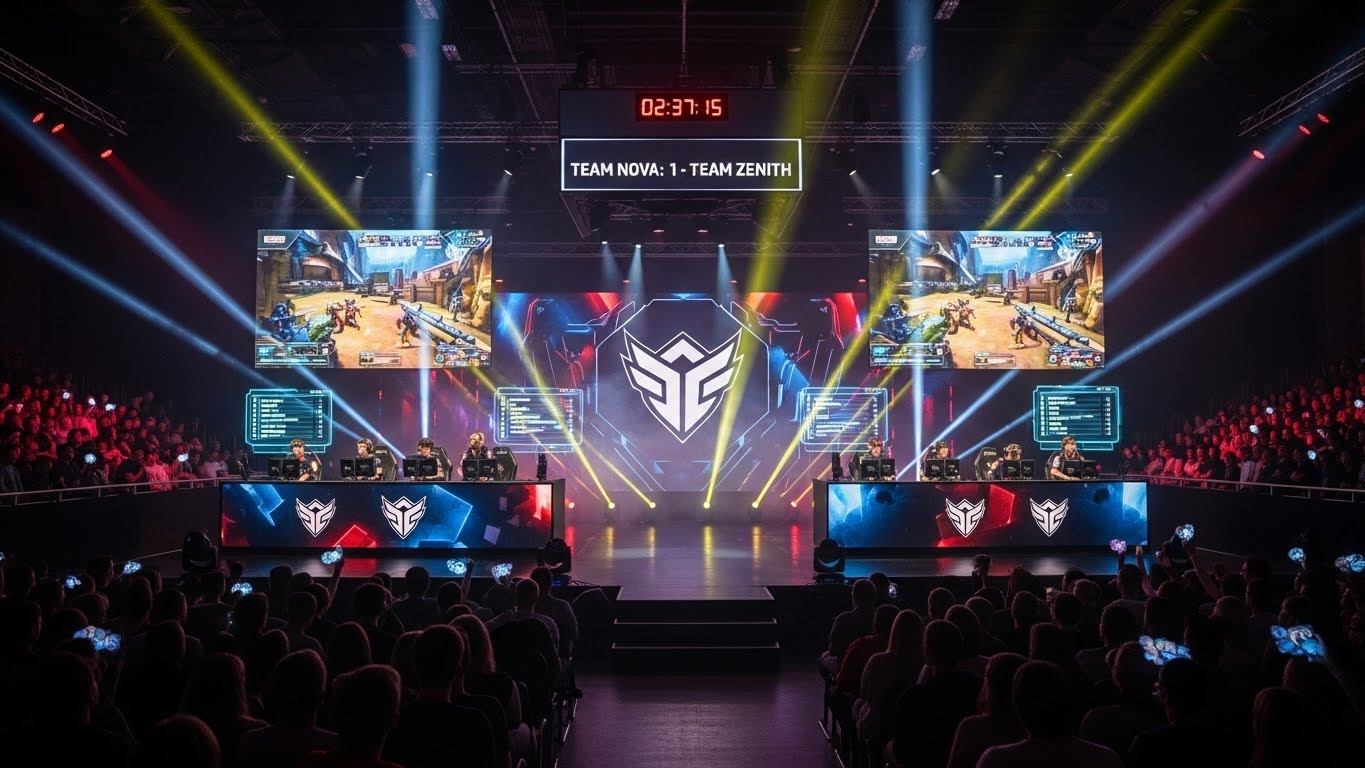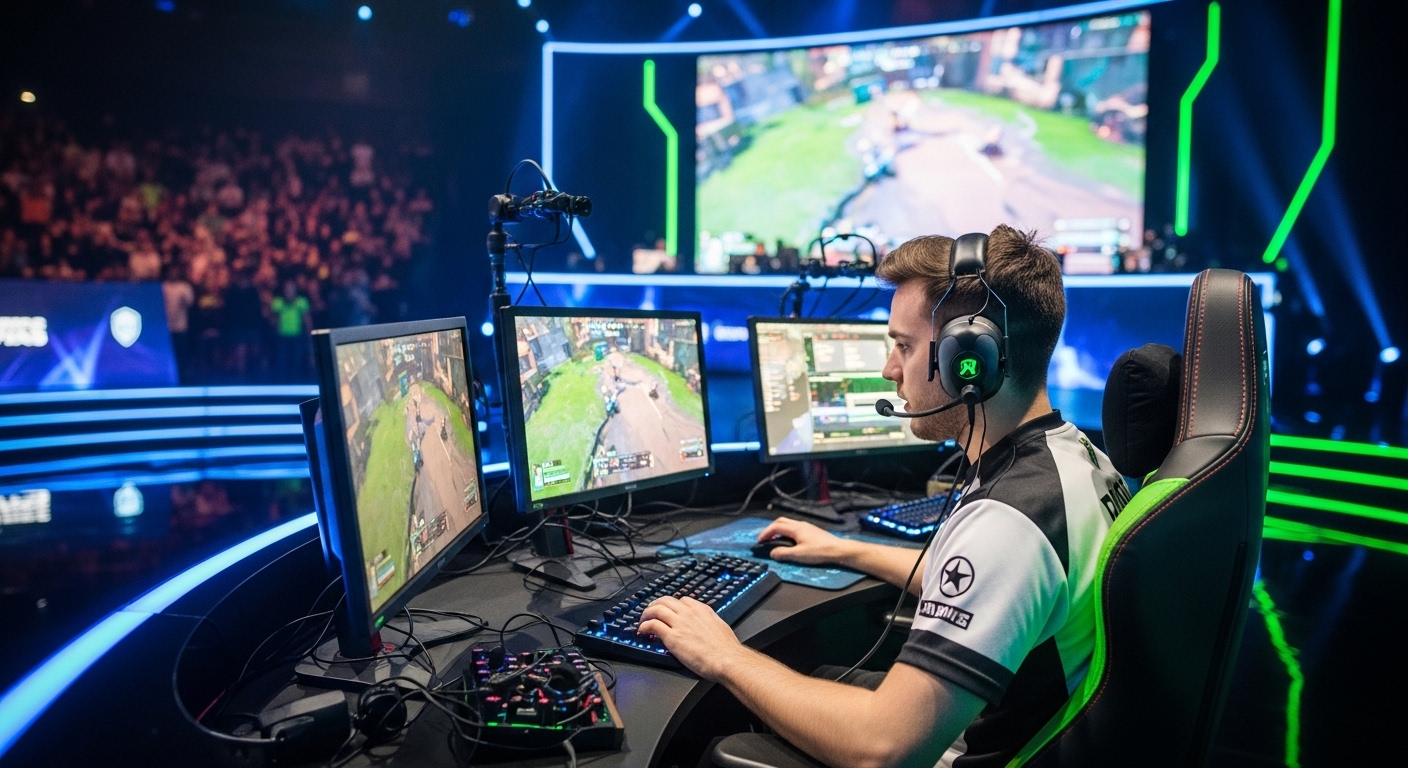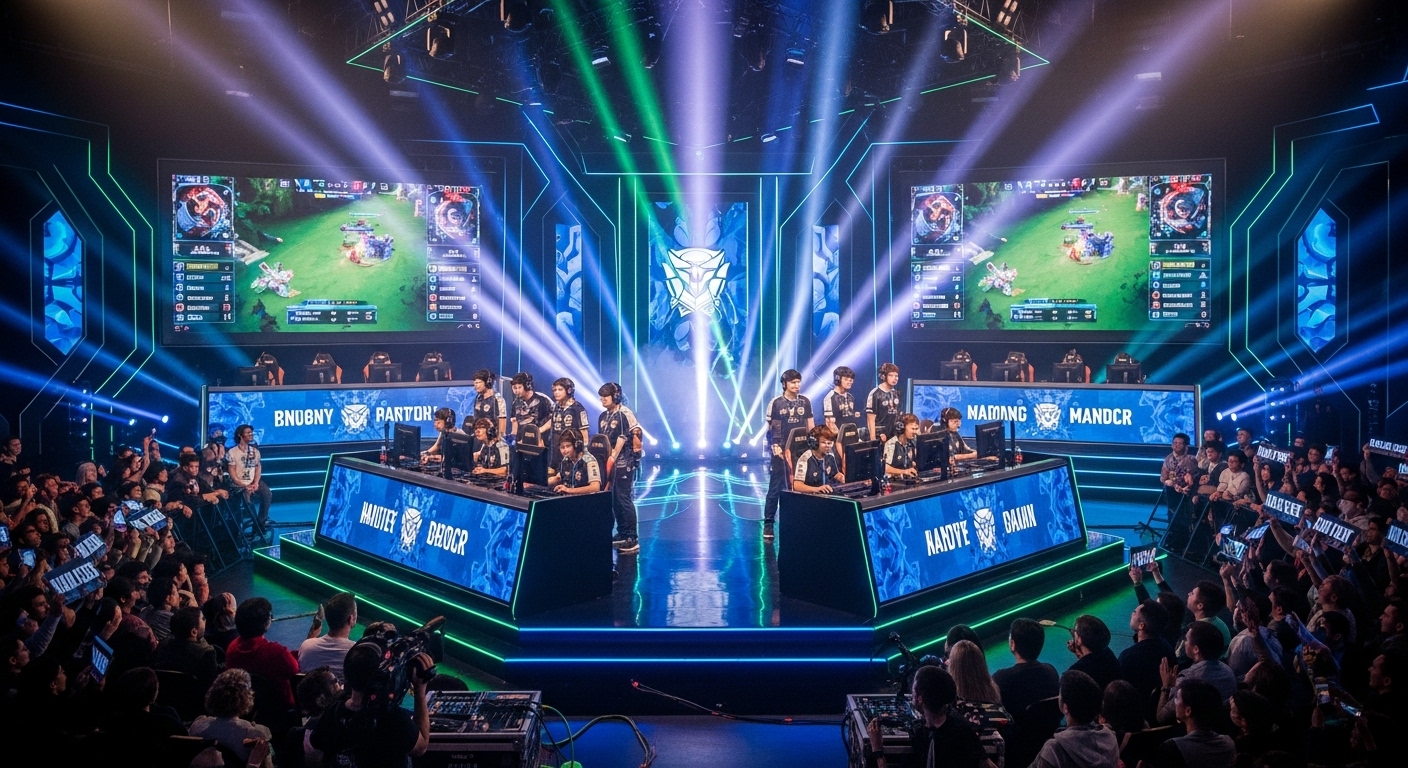
eSports, or competitive gaming, has evolved from a niche hobby into a global phenomenon over the last two decades. What was once an underground activity, mainly confined to gamers and a small but passionate audience, is now a billion-dollar industry with millions of fans, dedicated professional players, major sponsorships, and widespread media coverage. From thrilling tournaments to household-name players, eSports has redefined the world of gaming and entertainment. In this blog post, we will explore the origins of eSports, its rapid expansion, and how it has influenced gaming culture worldwide.
The Birth of Competitive Gaming
The seeds of eSports were planted as early as the 1970s when video games like Pong and Space Invaders became wildly popular. These arcade games sparked the idea that video games could be more than just solitary entertainment. The first organized competitive gaming event, the Space Invaders Championship in 1980, was a groundbreaking moment, drawing participants from around the world. While the event itself was modest in scope, it laid the groundwork for the idea that gaming could be competitive in a formalized way.
As personal computers and the internet became more accessible in the 1990s, multiplayer games started to gain traction. Quake, Warcraft, and StarCraft were among the first to introduce competitive online play. These early games formed the foundation of what would become a global competitive gaming scene. However, it wasn’t until the early 2000s that competitive gaming began to resemble the professionalized structure we know today.
The Professionalization of eSports
The early 2000s marked a pivotal moment in the development of eSports. As gaming became more complex, the skill required to compete at a high level also increased. This led to the formation of organized leagues and tournaments. In South Korea, the rise of StarCraft as a national pastime helped solidify the country’s role as the epicenter of competitive gaming. The South Korean Pro-Gaming League, formed in the early 2000s, became one of the first major eSports leagues, and it helped establish the concept of professional gaming as a viable career.
During this period, competitive gaming began to attract sponsorships from major brands, which provided the financial backing necessary to sustain professional leagues. As gaming technology improved, so did the quality and scale of competitive events. High-definition broadcasts, online streaming, and live events began to draw larger audiences. In 2011, the launch of Twitch, a streaming platform dedicated to live gaming content, was a game-changer. Twitch allowed fans to watch professional players compete live from the comfort of their homes, significantly expanding the reach of eSports.
The eSports Industry Boom
By the mid-2010s, eSports had truly exploded into the global mainstream. The rise of popular games like League of Legends, Dota 2, Counter-Strike: Global Offensive, and Overwatch provided a diverse range of competitive experiences, from real-time strategy games to first-person shooters. Each game cultivated a dedicated player base, and tournaments for these games began to draw in millions of viewers from around the world. The 2018 League of Legends World Championship alone attracted over 200 million viewers across its tournament run, a number comparable to some of the biggest sports events in the world.
One of the most significant milestones in the growth of eSports was the increase in prize money. Tournaments like The International, an annual Dota 2 event, have seen prize pools grow to over $30 million, making them some of the richest competitions in the world. This influx of prize money has led to the rise of professional eSports players who can now support themselves through tournament winnings, sponsorships, and streaming revenue.
As the financial stakes increased, so did the scale of eSports organizations. Professional teams such as Team Liquid, Cloud9, and Fnatic emerged as major players in the eSports industry, recruiting top talent, signing sponsorships, and establishing training facilities. These teams are now akin to traditional sports franchises, complete with coaching staff, analysts, and performance trainers. They compete in various games, from League of Legends to CS:GO, and their players have become celebrities in the gaming world.
The Role of Streaming and Social Media in eSports
One of the key factors contributing to the rise of eSports has been the role of streaming platforms and social media. Streaming platforms like Twitch and YouTube have allowed eSports to reach a global audience in real-time. Fans can watch live tournaments, follow their favorite players, and even interact with the gaming community through live chat features. Twitch has played a particularly critical role in the rise of eSports by allowing anyone with an internet connection to broadcast their gameplay, which has democratized competitive gaming.
Streaming has also created a new wave of celebrity gamers. Players like Ninja, Shroud, and Pokimane have become household names not just for their skills but also for their personalities and online presence. These gamers attract millions of viewers to their streams, often earning substantial incomes through ad revenue, sponsorships, and donations from fans. This new breed of celebrity, born out of the gaming world, has further bridged the gap between traditional sports and eSports.
Social media platforms like Twitter, Instagram, and Discord have played an equally important role in expanding the reach of eSports. These platforms allow fans to follow teams and players, stay updated on tournament schedules, and engage in discussions about their favorite games and players. The interactive nature of social media has helped build a passionate and engaged community around eSports, making it more than just a form of entertainment, but a social experience that fans can participate in.
The Financial Side of eSports
As eSports has grown in popularity, its financial ecosystem has become increasingly complex. Sponsorships from large corporations are a major source of revenue for teams, tournaments, and individual players. Brands like Coca-Cola, Intel, Red Bull, and Mercedes-Benz have invested heavily in eSports, seeing it as a powerful avenue for reaching a younger, tech-savvy audience. In addition to sponsorships, eSports teams and tournament organizers also generate income from media rights, merchandise sales, ticket sales for live events, and broadcasting deals.
One of the biggest financial success stories in eSports has been the League of Legends World Championship. The event attracts millions of viewers worldwide, and its broadcast rights have been sold to major television networks and streaming platforms. The immense popularity of this event, combined with its high viewership numbers, has made it one of the most lucrative competitions in the gaming world.
Moreover, eSports players are no longer limited to just tournament winnings. Many top players have lucrative streaming deals, sponsorships, and endorsements. Some even have personal brands that extend beyond gaming, collaborating with clothing brands, tech companies, and even mainstream media outlets. This economic diversification has allowed professional players to earn significant incomes and has contributed to the legitimacy of eSports as a career choice.
eSports and Traditional Sports: The Blurring of Boundaries
The rise of eSports has not gone unnoticed in the world of traditional sports. Major sports leagues and organizations have started investing in eSports, recognizing the potential for cross-promotion and fan engagement. In 2016, the NBA launched the NBA 2K League, a competitive gaming league based on the popular basketball video game NBA 2K. Soccer clubs like Manchester City and Paris Saint-Germain have also invested in eSports, fielding their own teams in games like FIFA and Rocket League.
These partnerships between traditional sports teams and eSports organizations are helping to legitimize competitive gaming as a mainstream form of entertainment. Just as traditional sports have fan bases spanning across generations, eSports is drawing in younger audiences who may not be interested in traditional sports but are passionate about gaming. The convergence of these two worlds is helping to expand the reach of both eSports and traditional sports.
The Future of eSports
Looking ahead, the future of eSports looks incredibly bright. As technology continues to evolve, so too will the experiences available to players and fans. The advent of virtual reality (VR) and augmented reality (AR) could open up entirely new ways to experience eSports, making the spectator experience more immersive and interactive. Cloud gaming platforms, such as Google Stadia and Microsoft’s xCloud, could make it easier for players to compete in high-quality games without needing powerful gaming hardware, further democratizing access to competitive gaming.
In addition, the growth of mobile gaming is creating new opportunities for eSports to expand even further. Mobile games like PUBG Mobile, Clash Royale, and Arena of Valor have already introduced eSports competitions that attract large followings. As smartphones become more powerful, it is likely that mobile eSports will continue to grow, especially in regions like Southeast Asia and India, where mobile gaming is more accessible than console or PC gaming.
College eSports is another area of growth. Many universities and colleges now offer eSports scholarships, recognizing the potential of gaming as both a competitive and educational pursuit. In the U.S., programs like Varsity eSports and the National Association of Collegiate eSports (NACE) are helping to integrate gaming into the academic landscape, giving students the chance to pursue a career in eSports while earning a degree.
While the future is promising, there are challenges ahead. The sustainability of eSports as an industry will require continuous innovation, especially in terms of revenue generation and fan engagement. Additionally, the mental and physical well-being of professional players will need to be prioritized, as the demanding schedules and pressure to perform can take a toll on players’ health.