In the last decade, a quiet revolution has taken place in the world of entertainment and sports. What began as a niche hobby for gaming enthusiasts has evolved into a global phenomenon, with millions of spectators, professional players, and multi-million-dollar tournaments. This phenomenon is known as esports, or electronic sports. Unlike traditional sports, esports thrives in the digital arena, where skill, strategy, and teamwork determine victory. But the story of esports is far richer than just competitive gameplay. It is a narrative of technology, culture, business, and human ambition.
The Evolution of Esports
The origins of esports trace back to the late 1970s and early 1980s, when arcade competitions became a social phenomenon. Games like Space Invaders and Pac-Man captured the imagination of players worldwide, and the first video game competitions began to take shape. By the 1990s, the rise of home gaming consoles and the internet allowed multiplayer games to flourish. Titles like StarCraft in South Korea and Counter-Strike in Western countries paved the way for competitive gaming communities.
The 2000s witnessed the emergence of professional gaming leagues, with players dedicating themselves to rigorous training schedules. Internet cafes became arenas for local competitions, and streaming platforms enabled fans to watch gameplay in real-time. The combination of technological advancements and growing interest created fertile ground for esports to blossom into a professional career path.
Understanding the Appeal of Esports
Esports is not just about playing games; it is about storytelling, strategy, and skill mastery. Competitive gaming appeals to both players and spectators because it offers a level playing field where talent can triumph over experience, and innovation can overcome tradition. The games themselves vary widely, ranging from fast-paced shooters to complex strategy games, each demanding a unique skill set.
For players, esports provides a platform to hone their abilities, achieve recognition, and potentially earn a lucrative income. For fans, esports offers an experience similar to traditional sports, complete with rivalries, team loyalty, and moments of breathtaking skill. The immersive nature of video games, combined with the communal aspect of watching and discussing matches, creates an ecosystem where engagement is both intense and widespread.
Esports as a Career
A career in esports extends beyond being a professional player. While players often serve as the public face of competitive gaming, there are numerous roles supporting the industry. Coaches, analysts, broadcasters, event organizers, and content creators all contribute to the thriving ecosystem. Sponsorship deals, merchandise sales, and prize money make it a financially viable industry for many participants.
Professional players often follow training regimens that rival those of traditional athletes. Mental agility, strategic thinking, and reflexive speed are essential skills, and teams employ coaches to optimize performance. Training sessions are meticulously planned, with video reviews, scrimmages, and strategy discussions forming the backbone of preparation. This level of dedication illustrates that esports is not merely a hobby but a serious professional pursuit.
The Global Influence of Esports
Esports has a truly international reach. South Korea is often regarded as the birthplace of professional gaming culture, with StarCraft competitions dominating television screens in the early 2000s. China has emerged as a major hub, hosting some of the largest esports tournaments with massive prize pools. North America and Europe have cultivated their own vibrant esports communities, particularly around games like League of Legends, Dota 2, and Fortnite.
The cultural impact of esports is significant. Gaming conventions, online forums, and social media platforms foster a sense of belonging among fans. Esports has also influenced fashion, music, and even mainstream media, as gaming characters and stories cross over into films and merchandise. The industry’s reach is no longer confined to digital screens; it has become a global cultural force.
Esports Tournaments: The New Arenas
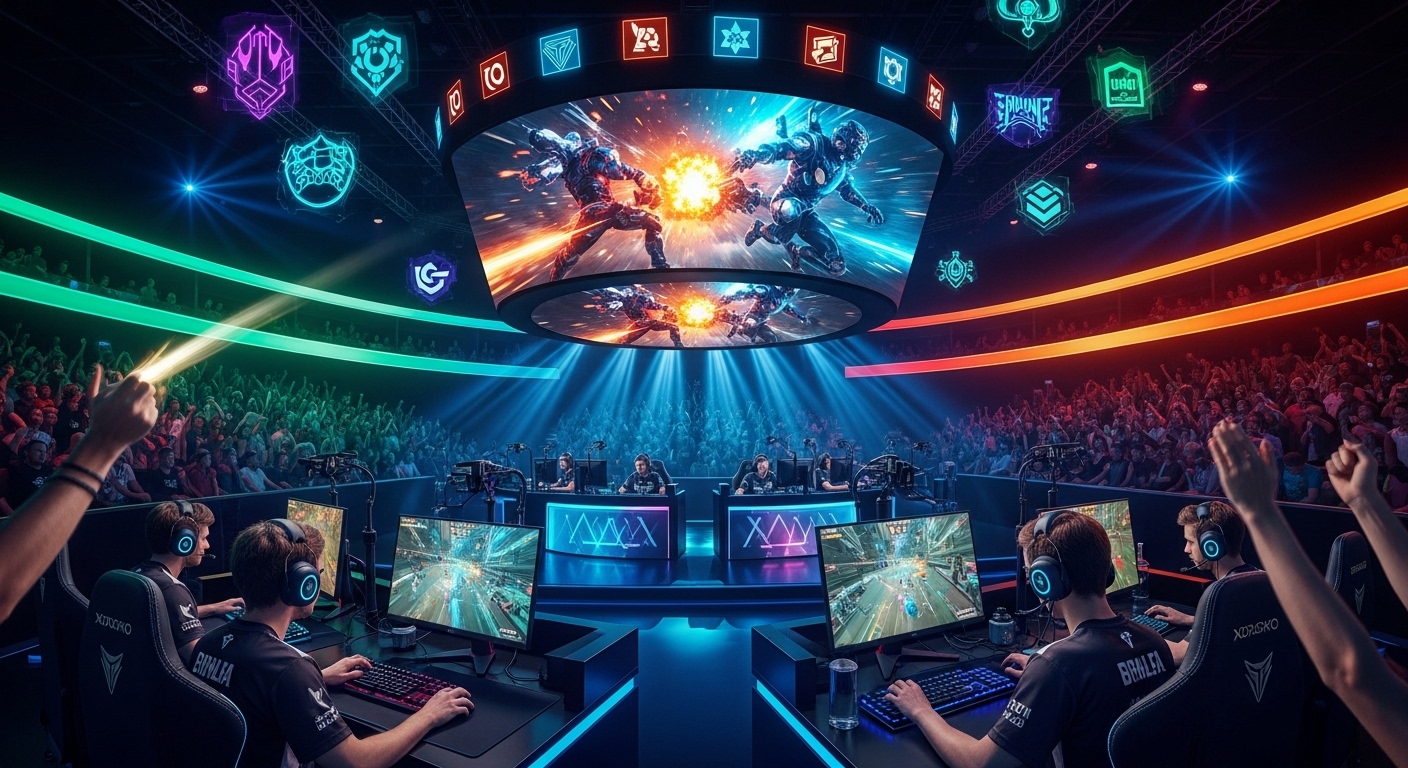
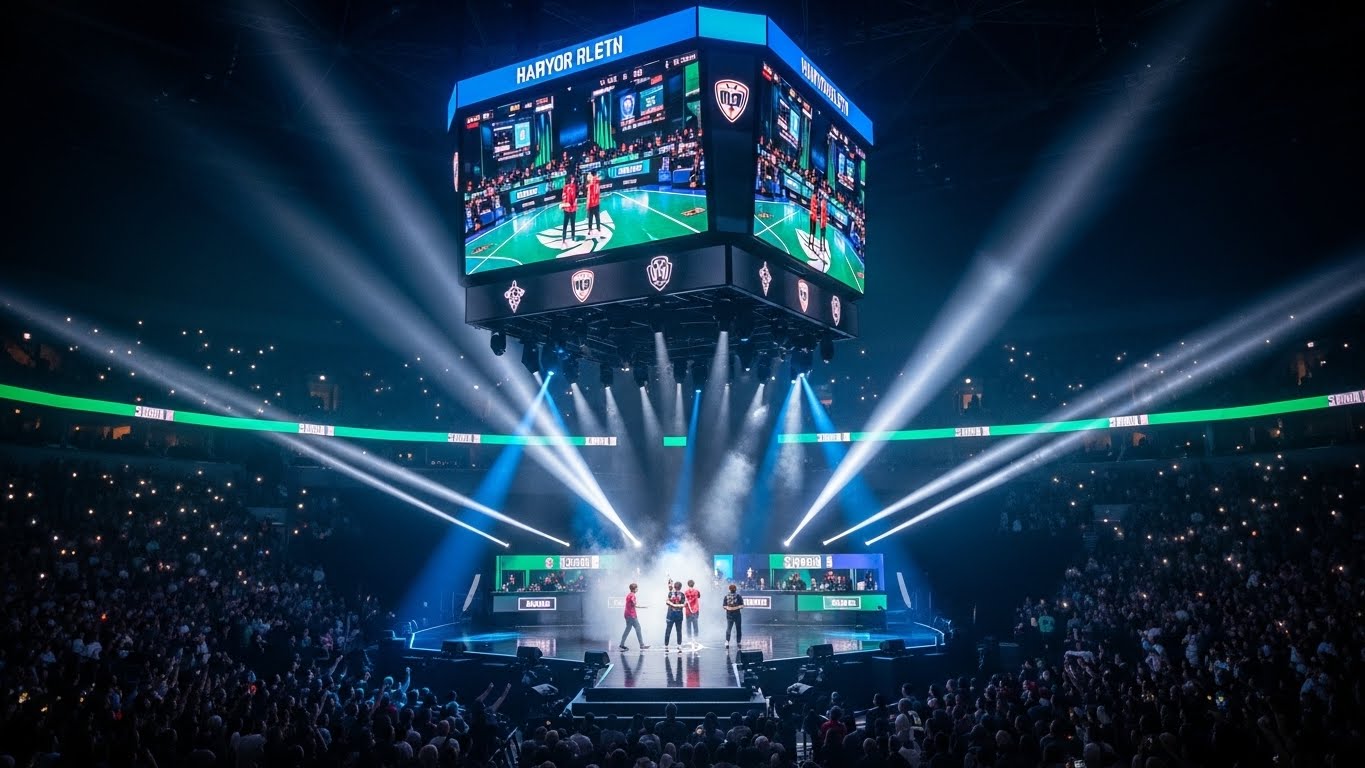
Modern esports tournaments are spectacles comparable to traditional sports events. Mega tournaments are held in stadiums filled with thousands of fans, while millions more watch online through streaming platforms. Games like Dota 2, League of Legends, and Counter-Strike: Global Offensive host international championships with prize pools exceeding several million dollars. These events are meticulously organized, with high production values, professional commentary, and live entertainment.
Tournaments serve multiple purposes. They showcase elite gameplay, provide marketing opportunities for sponsors, and build narratives around teams and players. The stories of underdog victories and dramatic comebacks create memorable moments, forging emotional connections between players and fans. The spectacle of esports tournaments demonstrates that competitive gaming has reached a level of professionalism and entertainment on par with established sports.
Technology Driving Esports
Technology is at the heart of esports. High-performance computers, advanced graphics, low-latency internet connections, and streaming platforms make competitive gaming possible. Streaming services have revolutionized the way audiences consume esports content. Platforms allow fans to watch matches live, interact with players through chat, and even participate in online betting or fantasy leagues.
Artificial intelligence and analytics are increasingly influencing esports as well. Teams use data-driven insights to optimize strategies, improve training, and scout talent. Even game developers leverage technology to design balanced, engaging, and competitive experiences. The synergy between technology and gaming ensures that esports will continue to evolve in complexity, immersion, and accessibility.
The Psychology of Competitive Gaming
Success in esports requires more than mechanical skill. Players must possess mental resilience, emotional control, and strategic foresight. Competitive gaming can be psychologically demanding, with high-pressure situations, intense scrutiny from fans, and long hours of practice. Developing coping mechanisms and maintaining focus are crucial for long-term success.
Team dynamics also play a critical role. Communication, trust, and collaboration are essential, as many games require coordinated strategies. The social and psychological aspects of esports mirror those of traditional team sports, reinforcing the idea that competitive gaming is not just about individual talent but also about leadership, communication, and mental fortitude.
The Economic Impact of Esports
Esports has grown into a multi-billion-dollar industry. Revenue streams include tournament prize money, advertising, sponsorships, merchandising, and media rights. Major brands across technology, fashion, and consumer products see esports as a gateway to younger, digitally native audiences. Universities have even begun offering scholarships for esports athletes, recognizing the legitimacy of competitive gaming as a professional pursuit.
The industry also stimulates local economies by creating jobs in event management, marketing, content creation, and technology development. Cities hosting international tournaments benefit from tourism, media attention, and infrastructure investment. The financial ecosystem surrounding esports reflects its maturity as a global entertainment sector with significant economic influence.
Challenges Facing Esports
Despite its growth, esports faces several challenges. Player burnout and mental health concerns are prominent, as the demands of professional gaming can be intense. Regulatory frameworks for tournaments, sponsorships, and gambling are still developing, creating legal and ethical uncertainties. Additionally, issues of inclusivity and diversity persist, with many communities working to ensure equitable access and representation.
The industry also faces skepticism from traditional sports institutions and mainstream audiences. Some question the legitimacy of esports as “real” sport due to its digital nature. However, the athleticism, strategy, and teamwork required in competitive gaming challenge this notion, gradually reshaping public perception.
The Future of Esports
The future of esports appears bright and multifaceted. Advancements in virtual reality and augmented reality could revolutionize gameplay, making competitions even more immersive. Expanding mobile gaming markets will introduce esports to wider audiences, particularly in regions with limited access to traditional gaming hardware.
Education and professional development in esports are also growing. Schools and universities are integrating esports programs, fostering talent from an early age. Additionally, collaborations between esports organizations, traditional sports leagues, and media companies indicate a convergence of entertainment platforms that will shape how audiences consume competitive gaming.
Conclusion
Esports is no longer a fringe phenomenon or a pastime for enthusiasts; it is a cultural, economic, and technological force shaping the world of entertainment. From its humble beginnings in arcades and internet cafes to stadium-filling tournaments and multi-million-dollar franchises, esports reflects the evolving nature of competition, skill, and human ambition.
The appeal of esports lies not only in the games themselves but in the stories they create, the communities they foster, and the opportunities they provide. As technology continues to advance and audiences continue to grow, esports will remain a dynamic and influential part of modern culture. It represents a new kind of arena, where digital gladiators test their limits, and spectators witness the triumphs and challenges of competition in an entirely new dimension.
Esports is more than entertainment; it is a testament to human creativity, resilience, and the desire to connect through shared experiences, no matter the medium. As this industry continues to evolve, it will redefine what it means to be a competitor, a fan, and a participant in the global arena of sports and entertainment.