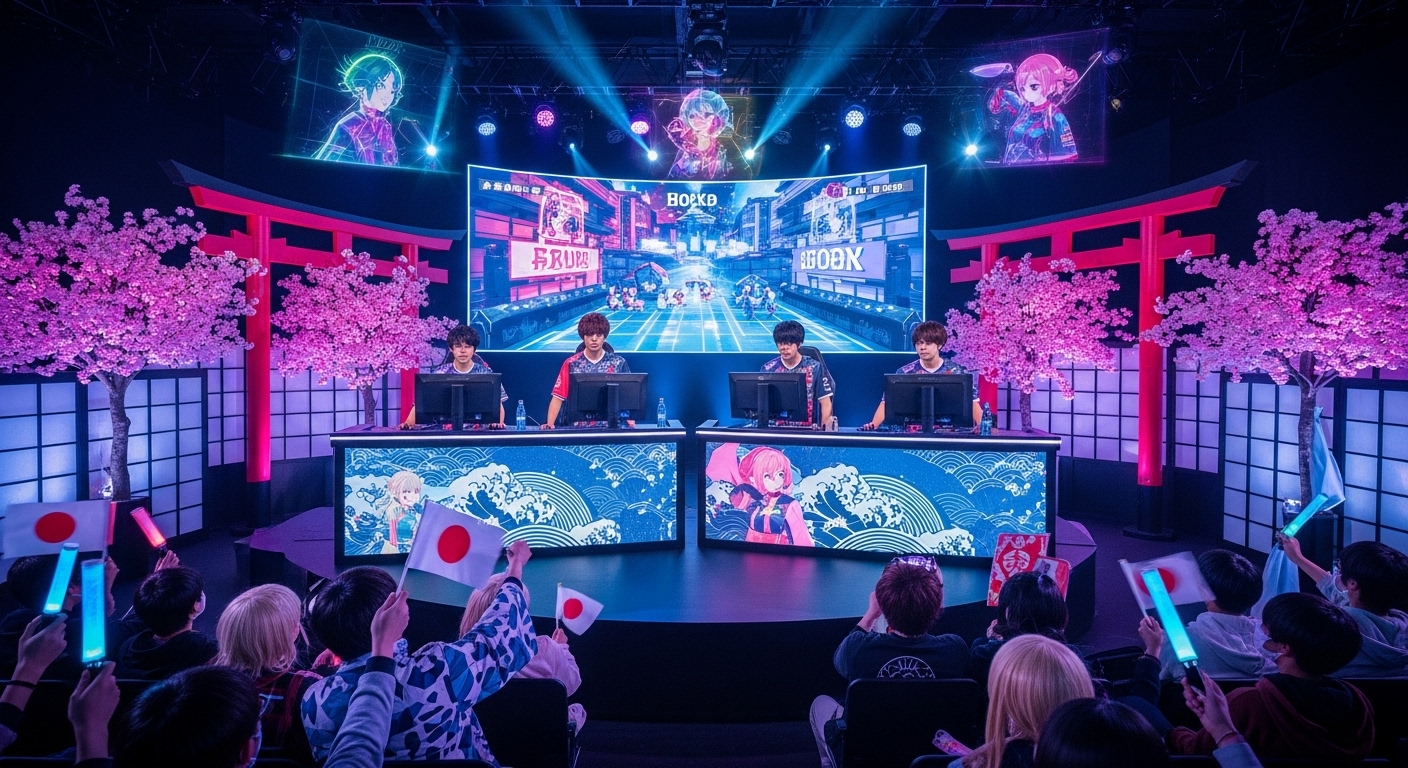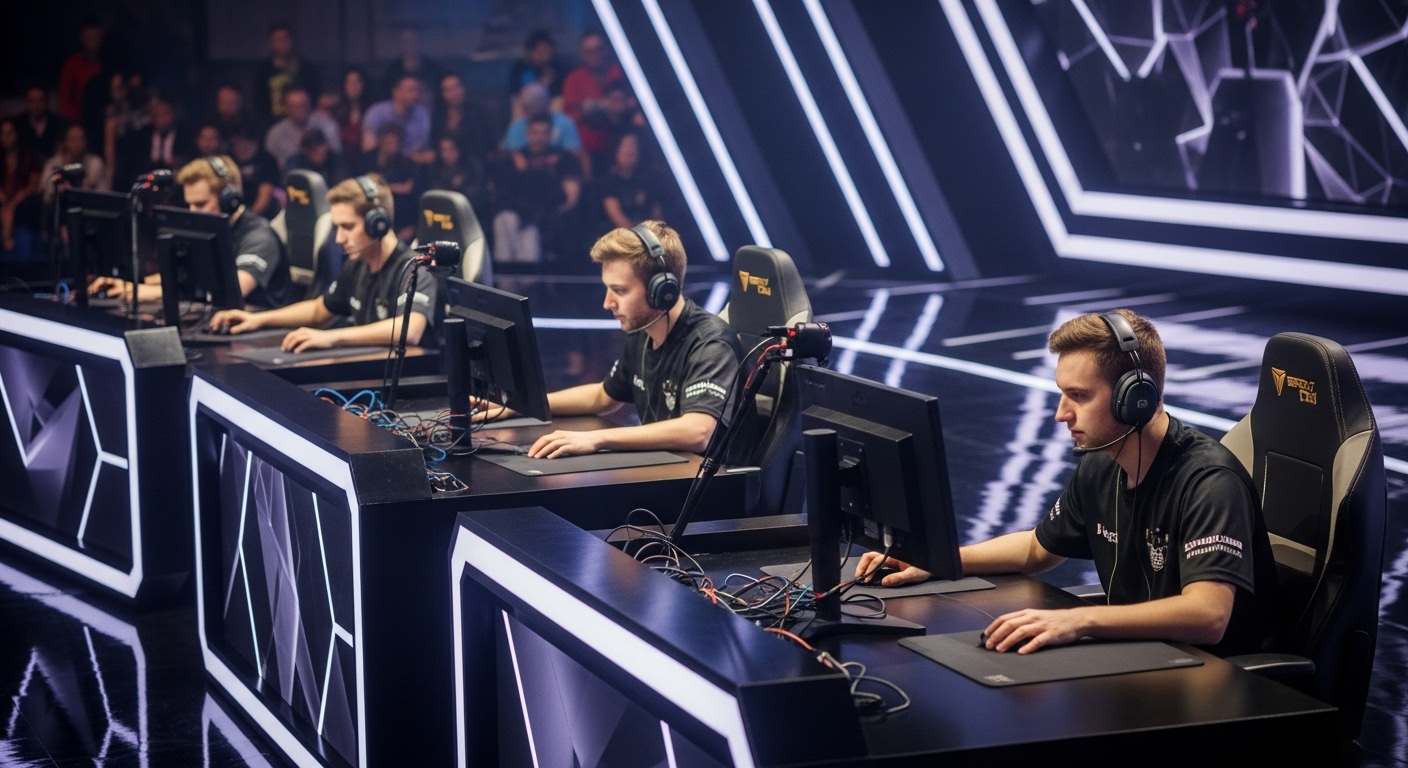
Esports, once considered a niche activity for passionate gamers, has exploded into a global multi-billion dollar industry. What was once a subculture dominated by underground tournaments and humble fan bases is now a mainstream entertainment phenomenon, attracting millions of viewers worldwide. From professional leagues to massive sponsorship deals, esports has rapidly evolved into a legitimate form of competition and entertainment, drawing the attention of traditional sports organizations, media outlets, and tech giants. This blog post explores the rise of esports, its impact on culture, and how it is shaping the future of entertainment.
The Evolution of Esports: From Humble Beginnings to Global Phenomenon
Esports, short for electronic sports, refers to competitive video gaming at a professional level. The roots of esports can be traced back to the 1970s and 1980s when competitive gaming first emerged as an underground hobby. However, it wasn’t until the late 1990s and early 2000s that esports began to gain traction on a larger scale. Games like StarCraft and Quake paved the way for the competitive gaming scene, with local tournaments and LAN (Local Area Network) parties allowing players to face off against each other in person.
In the early 2000s, esports began to take on a more organized structure. Major tournaments and leagues began to form, and games like Warcraft III, Counter-Strike, and League of Legends became central to the esports ecosystem. The rise of online platforms like Twitch, YouTube Gaming, and even dedicated esports networks like ESL (Electronic Sports League) helped bring esports to a global audience.
One of the key turning points for esports came with the creation of professional teams and organizations. These teams not only provided players with financial support but also offered coaching, training facilities, and sponsorships. This helped elevate esports from a hobby to a legitimate career for many players, drawing in top-tier talent from around the world.
The Mechanics of Esports: How Competitive Gaming Works
At its core, esports revolves around the idea of competitive gaming, where players or teams compete against one another for a prize or championship title. While esports encompasses a wide range of games, some genres stand out as the backbone of the competitive scene. These include:
- Multiplayer Online Battle Arenas (MOBAs): Games like League of Legends and Dota 2 fall into this category. Players control unique characters, known as “champions” or “heroes,” and work together to defeat the opposing team in a battle for dominance. These games emphasize teamwork, strategy, and real-time decision-making.
- First-Person Shooters (FPS): Counter-Strike: Global Offensive, Overwatch, and Call of Duty are examples of FPS games that have become staples in the esports world. Players use weapons and tactics to eliminate their opponents in fast-paced, tactical gameplay. FPS games often feature individual skill, precise aim, and reflexes.
- Real-Time Strategy (RTS): Games like StarCraft II and Warcraft III require players to manage resources, build armies, and outsmart opponents in large-scale battles. These games emphasize strategic planning, multitasking, and fast decision-making.
- Fighting Games: Titles like Street Fighter, Super Smash Bros., and Tekken are popular in the fighting game community (FGC). These games focus on one-on-one combat, where players rely on skill, timing, and mastery of specific characters’ move sets to secure victory.
- Sports Simulation Games: Games like FIFA, NBA 2K, and Madden NFL are becoming increasingly popular in esports. These games simulate real-world sports, allowing players to compete against each other in virtual renditions of their favorite sports.
Esports tournaments are usually organized around specific games, with teams or individuals battling through online qualifiers and regional competitions before advancing to global events. These tournaments often offer huge cash prizes, sponsorships, and even opportunities for professional contracts, attracting top talent and some of the most dedicated fan bases in the world.
The Esports Ecosystem: Key Players and Stakeholders
The success of esports cannot be attributed to a single group of people. Instead, it is the result of a complex ecosystem involving various stakeholders, all of whom play a critical role in its growth and development. These stakeholders include players, teams, organizations, fans, sponsors, game developers, and media outlets.
- Players: At the heart of esports are the players. These are the skilled gamers who dedicate countless hours to mastering their craft and competing at the highest level. Many esports athletes start at a young age and progress through the ranks by participating in online competitions and local tournaments before getting scouted by professional teams. The life of a professional esports player is highly demanding, with intense practice schedules, travel for tournaments, and the pressure of performing in front of a live audience.
- Teams and Organizations: Professional esports teams have become integral to the scene. Organizations like Cloud9, Fnatic, T1, and Team Liquid have rosters that compete in multiple games, representing their brands and sponsors. These teams sign players to contracts, provide training facilities, and manage all aspects of a player’s career, including travel, health, and finances.
- Sponsors: As esports has grown in popularity, so too have the sponsorship opportunities. Companies from all industries, including tech, automotive, and beverage brands, have partnered with esports organizations and events. Sponsors like Red Bull, Intel, and Coca-Cola have heavily invested in esports, seeing it as a valuable marketing platform to reach younger, tech-savvy audiences. These sponsorships contribute to the financial sustainability of esports and help fund large-scale events and tournaments.
- Game Developers: The developers of esports games, such as Riot Games (creator of League of Legends) and Valve (developer of Dota 2), play a pivotal role in shaping the competitive gaming landscape. These companies regularly update their games, create in-game events, and provide resources for esports tournaments. Their efforts to maintain a balanced and competitive gaming environment are crucial for sustaining a healthy esports ecosystem.
- Fans: Without fans, esports would not have become what it is today. The fan base is incredibly passionate and often participates in the community through online forums, social media, and live streaming platforms. Fans also contribute to the financial success of esports through ticket sales, merchandise, and subscription services like Twitch Prime. Esports fans are known for their loyalty, often supporting players and teams through thick and thin.
- Media Outlets: Traditional sports networks like ESPN have started to recognize the potential of esports, broadcasting major tournaments and competitions. Additionally, digital platforms like Twitch, YouTube, and Facebook Gaming have become the go-to destinations for watching esports events live. These platforms have made it possible for anyone, anywhere, to tune in to major esports tournaments and follow their favorite players.
The Economic Impact of Esports: A Billion-Dollar Industry
Esports is no longer a hobby—it is a global industry worth billions of dollars. According to Newzoo’s Global Esports Market Report, the esports industry is expected to generate more than $1 billion in revenue in 2023, with a large portion of that coming from sponsorships, advertising, media rights, and merchandise sales.
The financial boom in esports has attracted venture capitalists, tech companies, and even professional sports franchises. Major companies are investing heavily in esports teams, venues, and events, with the goal of securing a stake in a rapidly growing market. Traditional sports franchises, including the NBA and NFL, have launched their own esports leagues, while individual players have signed multi-million-dollar contracts with gaming organizations.
In addition to sponsorships, esports tournaments often have lucrative prize pools, with some major events offering millions of dollars in cash rewards. The International, an annual Dota 2 tournament, is one of the most notable examples of this, with prize pools regularly exceeding $30 million. This financial success has made esports an attractive career path for aspiring gamers, who can earn substantial sums from tournament winnings, streaming, and sponsorships.
The Cultural Impact of Esports: A New Age of Entertainment
Esports is more than just a form of competition; it has become a cultural movement. It has changed the way people think about gaming, entertainment, and even traditional sports. As esports continue to grow, it is influencing pop culture, technology, and social interaction.
- Social Interaction and Community: One of the most significant cultural shifts brought on by esports is the way it has changed social interaction. Fans of esports connect through social media, streaming platforms, and fan forums, creating a sense of community that transcends geographical boundaries. Many fans form lifelong friendships through their shared love of a particular game or team. This has created a new type of fandom, one that is more interactive and digital than traditional sports fans.
- Mainstream Acceptance of Gaming: Esports has helped normalize gaming as a mainstream hobby and career. No longer relegated to the realm of “nerds” or “geeks,” gaming is now recognized as a legitimate form of entertainment enjoyed by millions around the world. The success of esports has even influenced the development of gaming-focused universities and degrees, with some institutions offering courses in game design, esports management, and streaming.
- Global Events and Major Venues: Esports tournaments are no longer small-scale affairs. Major events like League of Legends World Championship and The International attract hundreds of thousands of spectators, both online and in person. These tournaments are held in massive arenas, with state-of-the-art production values and high-tech equipment. The atmosphere at these events is electric, and the energy of the fans is comparable to that of a live sports match.
- Tech Innovations: The rise of esports has led to significant innovations in technology. From ultra-fast gaming monitors to virtual reality (VR)