Introduction: The Rise of Esports
Esports, or electronic sports, has come a long way since its humble beginnings in the 1970s. What was once a niche activity for gaming enthusiasts has evolved into a global phenomenon that attracts millions of viewers and generates billions in revenue. From small-scale LAN parties to massive, sold-out arenas, esports has transformed into a multi-faceted industry that rivals traditional sports in terms of viewership, sponsorship, and career opportunities. The rise of esports is not just a trend; it is a digital revolution that is reshaping the world of entertainment. This blog post will delve into the rise of esports, the factors behind its success, and how it continues to reshape competitive gaming for the future.
The Early Days: From Arcade Games to Online Competitions
The roots of esports can be traced back to the 1970s, during the early days of video gaming. The concept of competitive gaming began to emerge with the advent of arcade games, where players could compete for high scores. The first known esports tournament took place in 1980 with the Space Invaders Championship, where players vied for a $1,000 prize. While this event was modest by today’s standards, it laid the foundation for what would later become a global industry.
As video games evolved in the 1990s, so did the scope of competitive gaming. The rise of personal computers and internet connectivity allowed gamers to compete against one another online, paving the way for larger, more organized tournaments. Quake, Warcraft, and StarCraft became the cornerstone of early competitive gaming, particularly in South Korea, where StarCraft tournaments drew millions of viewers. By the late 1990s and early 2000s, gaming had become a professional pursuit in certain regions, with organized leagues and competitions forming in games such as Counter-Strike and Warcraft III.
South Korea played a critical role in the development of esports. The country pioneered the professionalization of esports with the rise of televised tournaments and the establishment of dedicated esports networks. The success of these tournaments laid the groundwork for the explosion of esports that would follow in the next decade, both in South Korea and around the world.
The Streaming Boom: Bringing Esports to Global Audiences
The defining moment in the growth of esports came in 2011 with the launch of Twitch, a live-streaming platform that allowed gamers to broadcast their gameplay to the world. Twitch revolutionized the esports scene, making competitive gaming more accessible than ever before. Before streaming, most esports events were held in physical venues, and viewership was often limited to those who could attend in person. With Twitch, however, esports tournaments and casual gaming streams became available to anyone with an internet connection.
The ability to stream live gameplay transformed esports from a local activity to a global spectacle. Fans could now watch their favorite players compete in real-time from the comfort of their own homes, creating a level of engagement previously unseen in competitive entertainment. Twitch, along with other platforms like YouTube Gaming and Facebook Gaming, enabled a new form of content creation, where players could build personal brands and engage directly with their fanbase. Esports influencers, such as Ninja and Shroud, became household names, drawing millions of followers and taking esports to the mainstream.
In addition to live-streaming, Twitch allowed fans to interact with players and other viewers through live chats and commentary, fostering a sense of community and making esports more socially engaging. This interaction between players and fans helped forge a connection that was deeper than just watching a game—it became an experience, with fans participating in the conversation and feeling like an integral part of the action.
The Financial Explosion: Sponsorships and Prize Money
As esports continued to grow, so did the financial opportunities associated with it. Esports has now become a multi-billion-dollar industry, with several key revenue streams fueling its expansion. Sponsorships have become a major source of income for professional teams and events. Global brands like Intel, Coca-Cola, Red Bull, and Adidas have all invested heavily in esports, recognizing the huge potential of the industry. These brands sponsor esports teams, tournaments, and individual players, contributing millions of dollars to the esports economy.
Prize money has also played a pivotal role in the rise of esports. Major esports tournaments now feature prize pools that dwarf those of many traditional sports competitions. For example, The International (TI), the Dota 2 world championship, regularly offers prize pools exceeding $30 million. Other high-profile tournaments like the League of Legends World Championship and CS:GO Majors offer millions in prize money, attracting top-tier talent from across the globe.
The financial stakes have made esports a viable career for professional gamers. Players are no longer just hobbyists—they are full-time athletes who compete in tournaments for prize money, salaries, and sponsorships. The most successful esports players can earn millions of dollars annually, not just from tournament winnings, but from streaming, sponsorship deals, and merchandise sales. As esports has become more professionalized, players have access to coaches, analysts, and training regimens that are on par with traditional athletes, underscoring the growing importance of skill and preparation in competitive gaming.
The Esports Ecosystem: Teams, Leagues, and the Global Expansion
Esports has evolved into a complex and interconnected ecosystem. Professional esports teams, much like traditional sports teams, consist of multiple players, coaches, analysts, and support staff. Teams like Team Liquid, Cloud9, and FaZe Clan have become global brands, with loyal fanbases that follow their players across multiple games. These teams compete in organized leagues, which are often operated by the developers of the games themselves, such as Riot Games’ League of Legends Championship Series (LCS) or Blizzard Entertainment’s Overwatch League (OWL).
The formation of these leagues has brought a level of structure and organization to esports that mirrors traditional sports leagues like the NFL or NBA. Teams compete in regular-season matches, leading up to playoffs and championship events. In addition to regional leagues, there are global tournaments like The International for Dota 2 and the CS:GO Major Championships, which bring together the best teams from around the world to compete for international titles.
Esports has also expanded beyond traditional gaming to include new genres and formats. Mobile esports, for example, has become a rapidly growing segment of the market. Games like PUBG Mobile, Clash Royale, and Free Fire are played by millions of people worldwide, particularly in regions like Southeast Asia, India, and Latin America. This expansion has brought esports into new markets, with new players, teams, and fans emerging from diverse backgrounds.
The Role of Broadcasting: The Esports Fan Experience
The spectator experience is one of the key differentiators that make esports stand out from traditional sports. Unlike conventional sports, where fans watch from a distance, esports fans can actively engage with the content, providing a much more immersive experience. Through live-streaming platforms like Twitch and YouTube, fans can watch games in real-time, participate in live chats, and engage with their favorite players and teams. These platforms have enabled a level of interactivity that was previously impossible in traditional sports broadcasting.
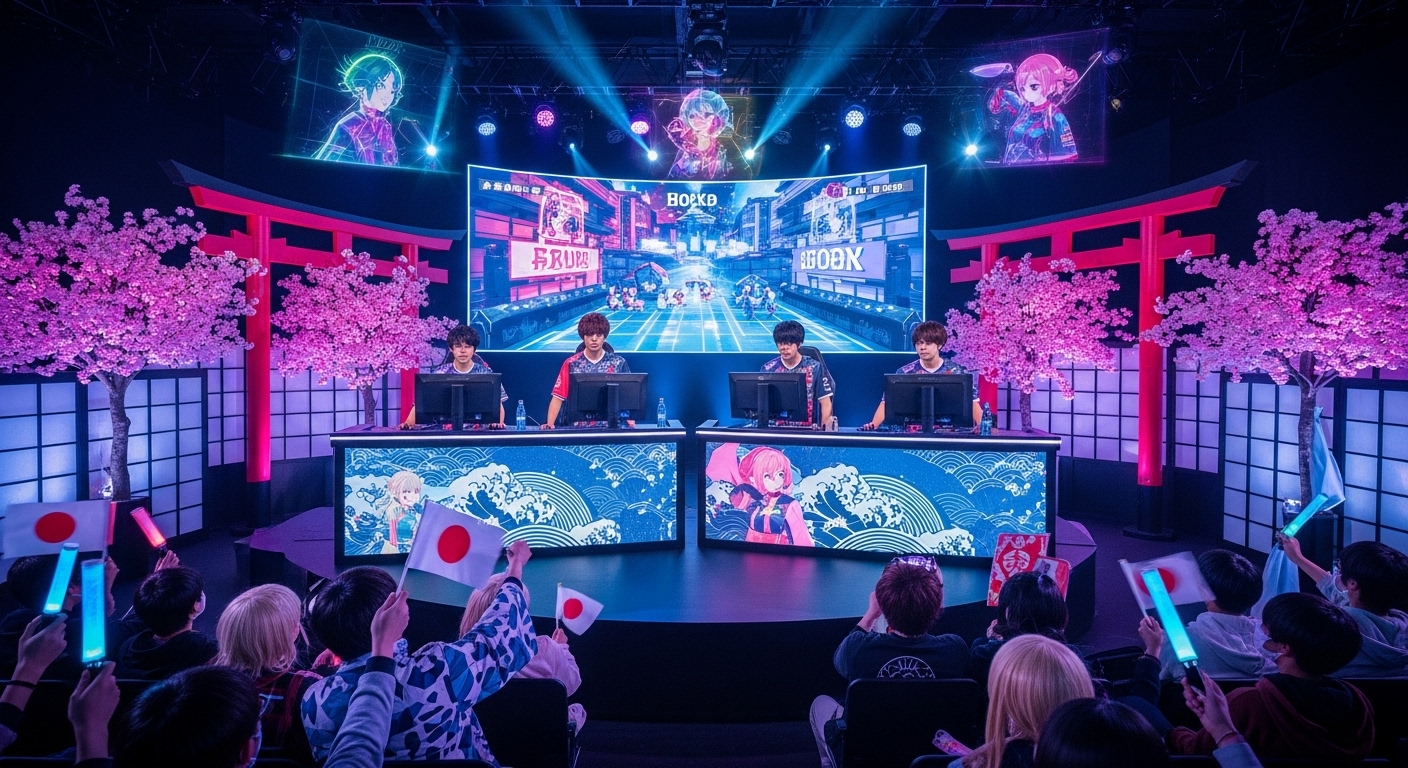
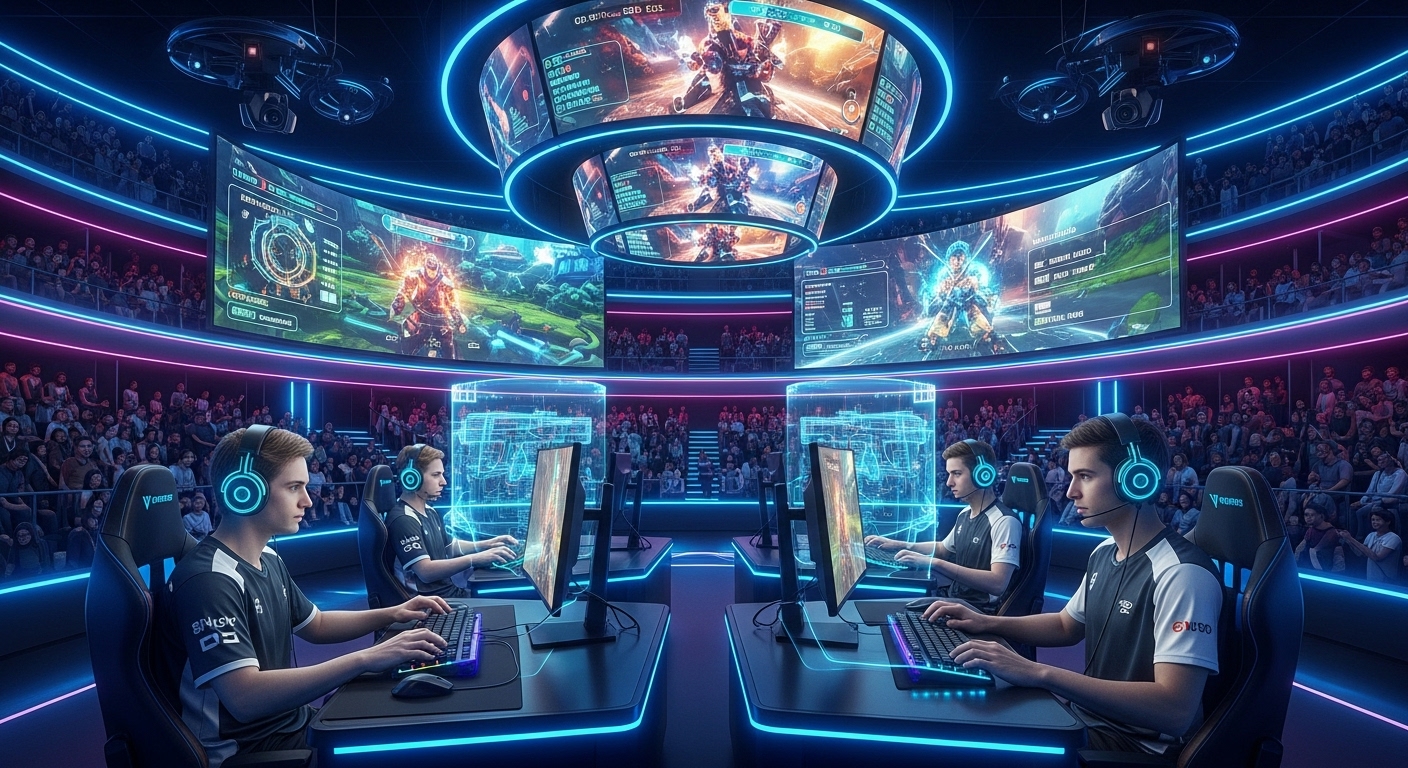
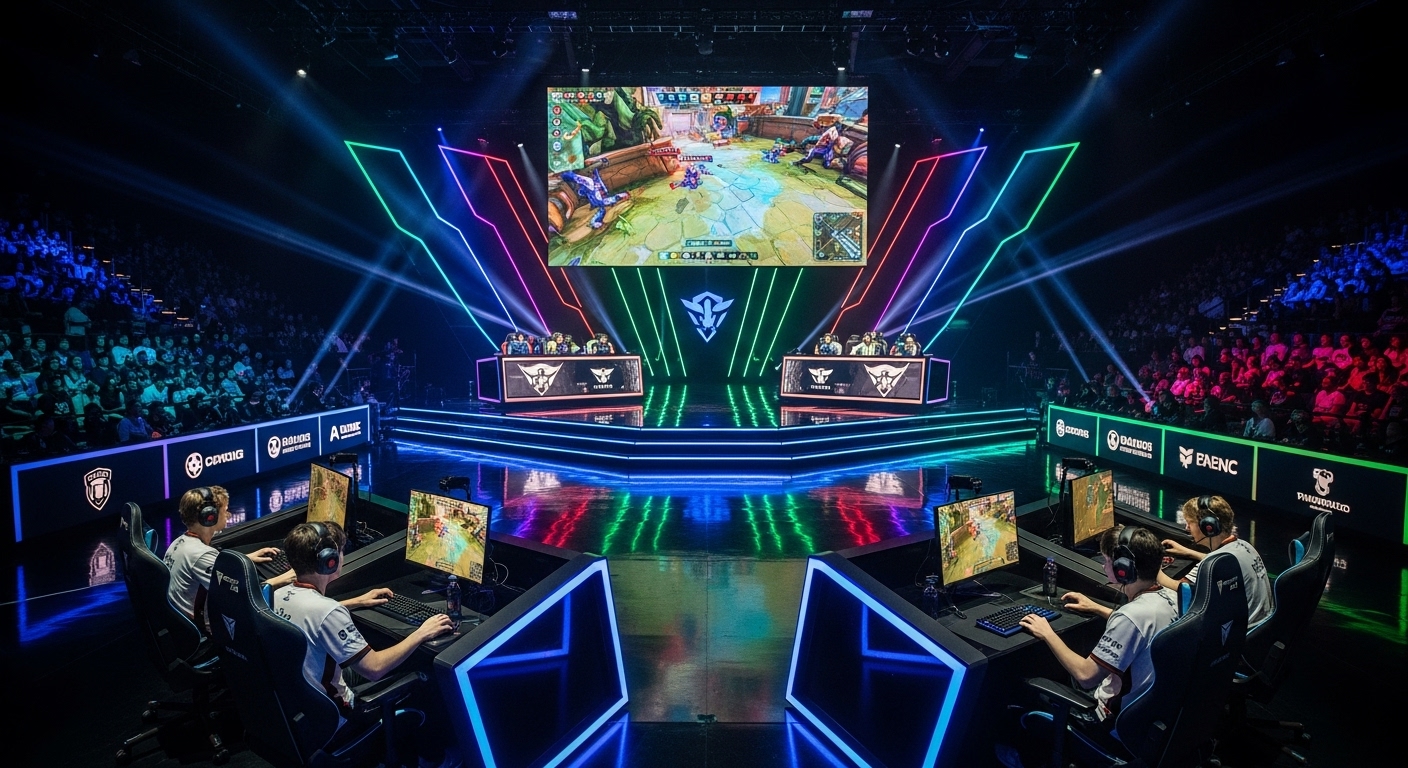
Esports events are often streamed in high definition, with multiple camera angles, real-time statistics, and expert commentary, which adds to the excitement and drama of each match. Major esports tournaments, such as The International and the League of Legends World Championship, feature spectacular live productions, with elaborate stage setups, pyrotechnics, and musical performances, creating a thrilling atmosphere for both in-person attendees and online viewers.
In addition to live streaming, esports events are increasingly being broadcast on television. Networks like ESPN, TBS, and BBC have started to air esports tournaments, reaching a broader audience outside of the digital space. As esports continues to gain mainstream recognition, it is becoming a staple of traditional media coverage, further solidifying its place in the entertainment world.
The Social Impact of Esports: Fostering Community and Inclusion
Esports has done more than just entertain—it has created a global community of players, fans, and influencers. Online gaming and streaming platforms allow fans to interact with one another in real-time, building connections and friendships that transcend geographic boundaries. Esports has become a shared language for millions of people around the world, offering a space for like-minded individuals to connect and share their passion for gaming.
Esports has also been a powerful tool for inclusion. While traditional sports have long been associated with physical prowess and gender-specific roles, esports offers a more level playing field, where skill and strategy are the determining factors. Women, non-binary individuals, and people from diverse cultural backgrounds are finding success in esports, helping to break down barriers and create a more inclusive environment.
The growing presence of esports in schools and universities has also contributed to its social impact. Many institutions now offer scholarships for talented gamers, allowing students to pursue both their academic and competitive gaming passions. High school and college esports leagues are becoming more common, providing young players with a structured path to professional gaming.
The Future of Esports: Innovation and Expansion
The future of esports is incredibly bright. As technology continues to evolve, new opportunities will arise to enhance the esports experience. Virtual reality (VR) and augmented reality (AR) have the potential to transform how fans experience competitive gaming, offering even more immersive and interactive ways to watch and engage with esports events. VR esports, in particular, could change the way games are played, with players interacting with virtual environments in ways that are not possible with traditional gaming setups.
Esports is also poised to expand into new markets. While North America, Europe, and Asia currently dominate the esports scene, there are growing opportunities in regions like Africa, the Middle East, and Latin America. As internet infrastructure improves and mobile gaming continues to grow, esports will continue to reach new audiences and become a truly global phenomenon.