Introduction: Gaming Beyond Entertainment
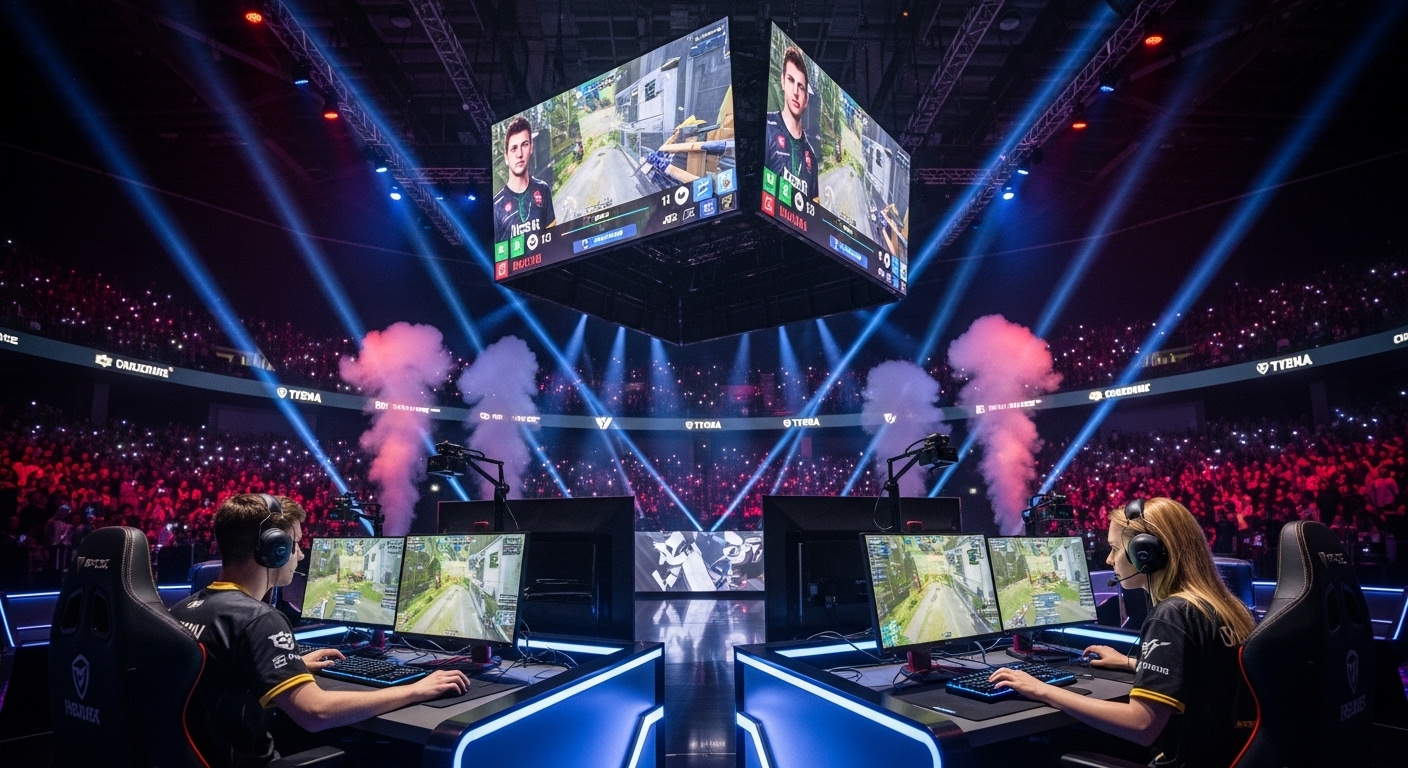
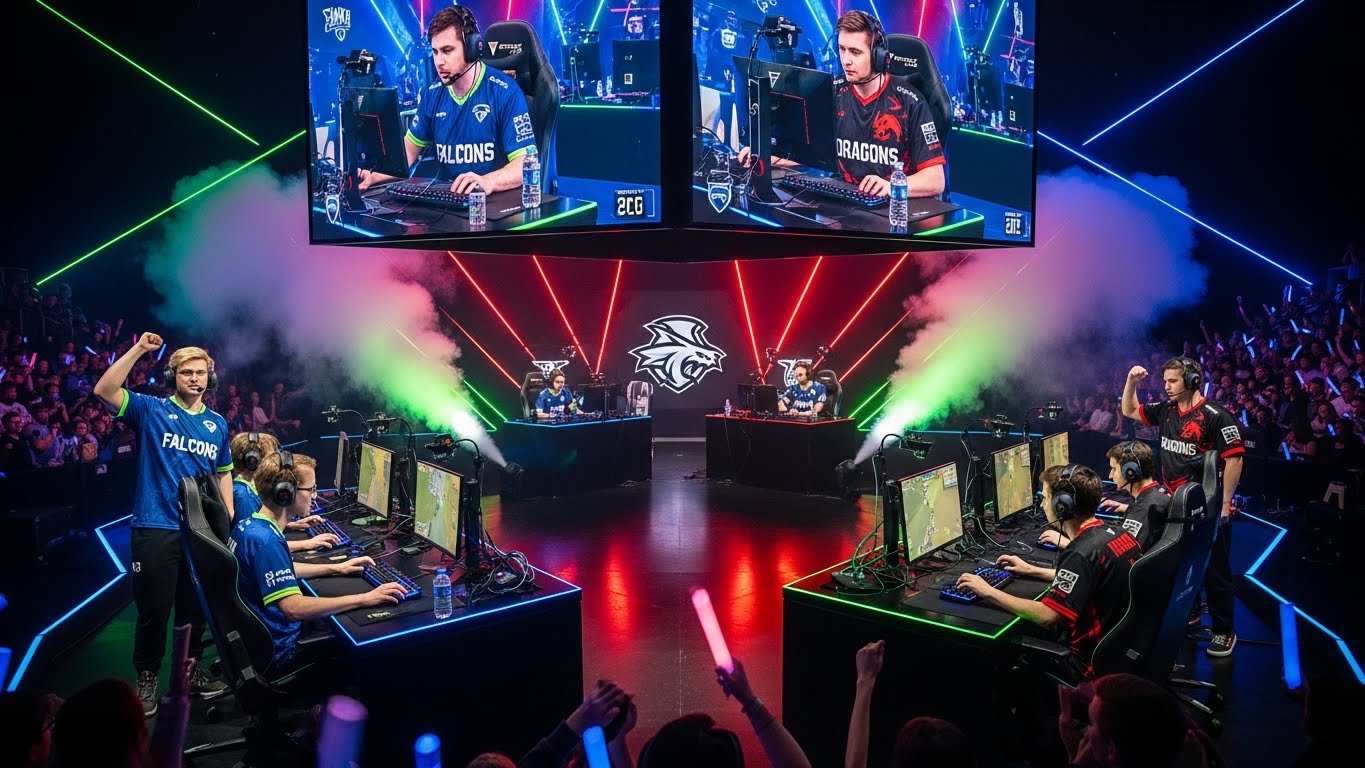
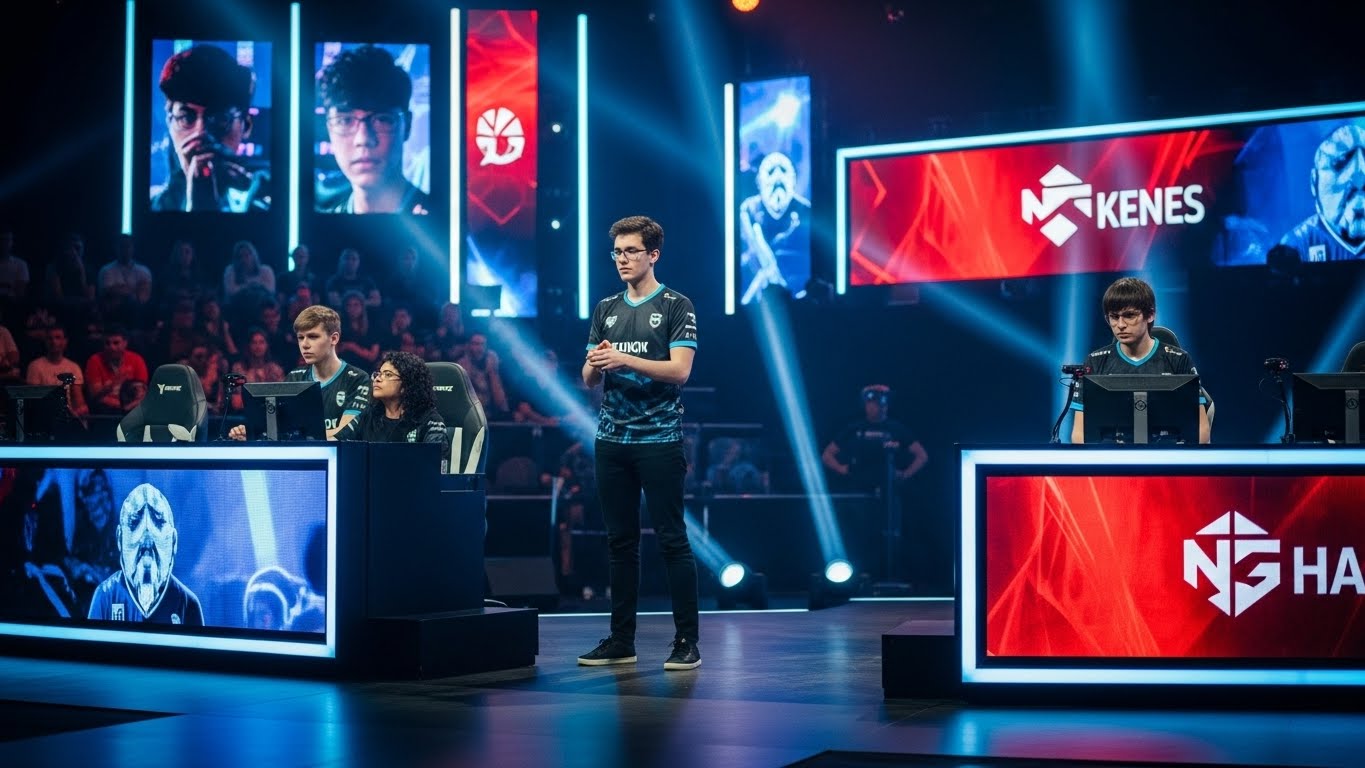
Once dismissed as a casual pastime, competitive gaming has transformed into one of the fastest-growing industries in the world. Esports, short for electronic sports, represents organized, competitive video gaming at a professional level. What began in small community halls and internet cafés has evolved into packed stadiums, global fan bases, multimillion-dollar prize pools, and professional athletes who train with the same discipline as traditional sports players. Esports today is not just about games; it is about culture, business, technology, and the future of competition.
Understanding What Esports Really Is
Esports refers to structured competitive gaming where individuals or teams compete in popular video games under organized rules. These competitions can range from online tournaments to massive international championships. Unlike casual gaming, esports requires high levels of skill, strategic thinking, teamwork, reflexes, and mental endurance. Players often specialize in a single game, mastering its mechanics and strategies over years of dedicated practice.
Popular esports genres include multiplayer online battle arenas, first-person shooters, real-time strategy games, sports simulations, and battle royale titles. Each genre attracts different audiences and demands unique skill sets, contributing to the diversity and richness of the esports ecosystem.
A Brief History of Competitive Gaming
The roots of esports can be traced back to the late 20th century, when early video game competitions were held in arcades and universities. As internet connectivity improved, online multiplayer games allowed players from different regions to compete against one another. This marked a turning point, enabling global tournaments and fostering international rivalries.
The early 2000s saw the rise of professional leagues, sponsorships, and dedicated esports organizations. Streaming platforms later revolutionized the industry by allowing fans to watch matches live, interact with players, and engage with the community in real time. This accessibility played a crucial role in esports becoming a mainstream phenomenon.
The Esports Athlete: More Than Just a Gamer
Professional esports players are often misunderstood as individuals who simply play games all day. In reality, esports athletes follow demanding schedules that include practice sessions, strategy reviews, physical exercise, and mental conditioning. Reaction time, hand-eye coordination, decision-making under pressure, and teamwork are essential skills that must be constantly refined.
Many teams employ coaches, analysts, psychologists, and fitness trainers to support their players. Proper nutrition, sleep, and stress management are increasingly recognized as vital components of peak performance. As the industry matures, the line between traditional athletes and esports professionals continues to blur.
The Business Behind the Screens
Esports has grown into a massive global industry generating revenue through sponsorships, advertising, media rights, merchandise, ticket sales, and in-game purchases. Major brands from technology, apparel, food, and finance sectors have invested heavily in esports, recognizing its ability to reach younger, digitally native audiences.
Professional teams operate as businesses, managing player contracts, branding, marketing, and fan engagement. Tournament organizers and game publishers play a central role in shaping competitive ecosystems, often controlling leagues and setting rules. This business structure has helped legitimize esports while also sparking debates about player rights and competitive fairness.
Esports and Global Culture
One of esports’ most powerful qualities is its ability to transcend geographical and cultural boundaries. Players and fans from different countries connect through shared passion, creating global communities centered around specific games or teams. International tournaments showcase diverse playstyles and strategies influenced by regional cultures.
Esports has also influenced fashion, music, language, and online identity. Gaming slang has entered everyday conversation, while esports-inspired clothing and accessories have become mainstream. For many young people, esports is not just entertainment but a core part of their social and cultural identity.
Education and Career Opportunities in Esports
As esports continues to expand, it has created a wide range of career opportunities beyond professional play. Roles in event management, broadcasting, marketing, game design, data analysis, coaching, and content creation are increasingly in demand. Universities and educational institutions have responded by offering esports programs, scholarships, and dedicated training facilities.
These programs help legitimize esports as a viable career path and provide students with transferable skills such as teamwork, communication, problem-solving, and digital literacy. For many, esports serves as a gateway into broader technology and creative industries.
Challenges Facing the Esports Industry
Despite its rapid growth, esports faces several challenges. Player burnout is a significant concern, as long practice hours and intense competition can lead to mental and physical strain. Career longevity is often short, prompting discussions about post-retirement support and education.
Other issues include inconsistent regulations, lack of standardized governance, and concerns about cheating, match-fixing, and performance-enhancing software. Inclusivity and diversity also remain areas for improvement, as certain demographics are underrepresented at the professional level. Addressing these challenges is essential for the long-term sustainability of the industry.
The Role of Technology in Esports Evolution
Technology is the backbone of esports, driving innovation in gameplay, broadcasting, and fan engagement. High-speed internet, powerful gaming hardware, and advanced software enable smooth competition and immersive viewing experiences. Data analytics tools allow teams to study gameplay in detail, refining strategies and improving performance.
Virtual reality, augmented reality, and artificial intelligence are beginning to influence esports, offering new ways to play, watch, and analyze games. As technology continues to evolve, it will likely reshape the esports landscape in ways that are difficult to predict but undeniably exciting.
Esports as a Legitimate Sport
The debate over whether esports should be considered a “real” sport has largely shifted toward acceptance. While esports may not require the same physical exertion as traditional sports, it demands exceptional mental agility, coordination, and discipline. Many countries now recognize esports athletes officially, granting visas and hosting government-supported events.
International sporting organizations have begun exploring esports integration, further validating its status. This recognition reflects a broader understanding of sports as competitive activities that test human skill, regardless of the medium.
The Future of Esports
The future of esports appears promising and dynamic. As new games emerge and technology advances, competitive formats will continue to evolve. Greater focus on player welfare, diversity, and ethical standards is likely to shape the next phase of growth. Esports may also become more integrated with traditional sports, entertainment, and education systems.
With younger generations growing up in digital environments, esports is well-positioned to remain a dominant form of competition and entertainment. Its ability to adapt, innovate, and connect people worldwide suggests that its influence will only continue to expand.
Conclusion: A Digital Arena Redefining Competition
Esports represents a fundamental shift in how society views competition, entertainment, and community. From humble beginnings to global recognition, it has proven that skill, dedication, and passion can thrive in digital spaces just as powerfully as in physical arenas. As esports continues to grow, it challenges traditional definitions of sports and opens new possibilities for athletes, fans, and industries alike. In the end, esports is not just about winning games; it is about shaping the future of competitive culture in a connected world.