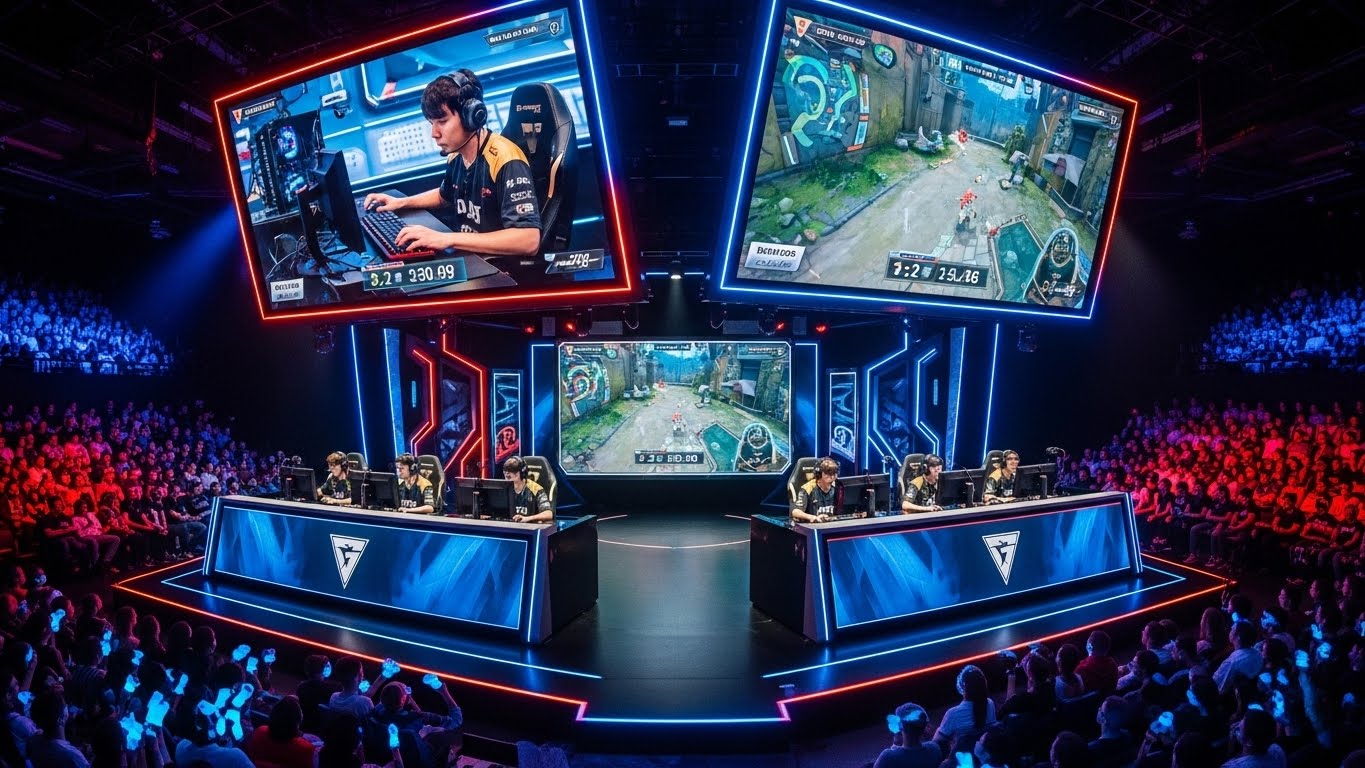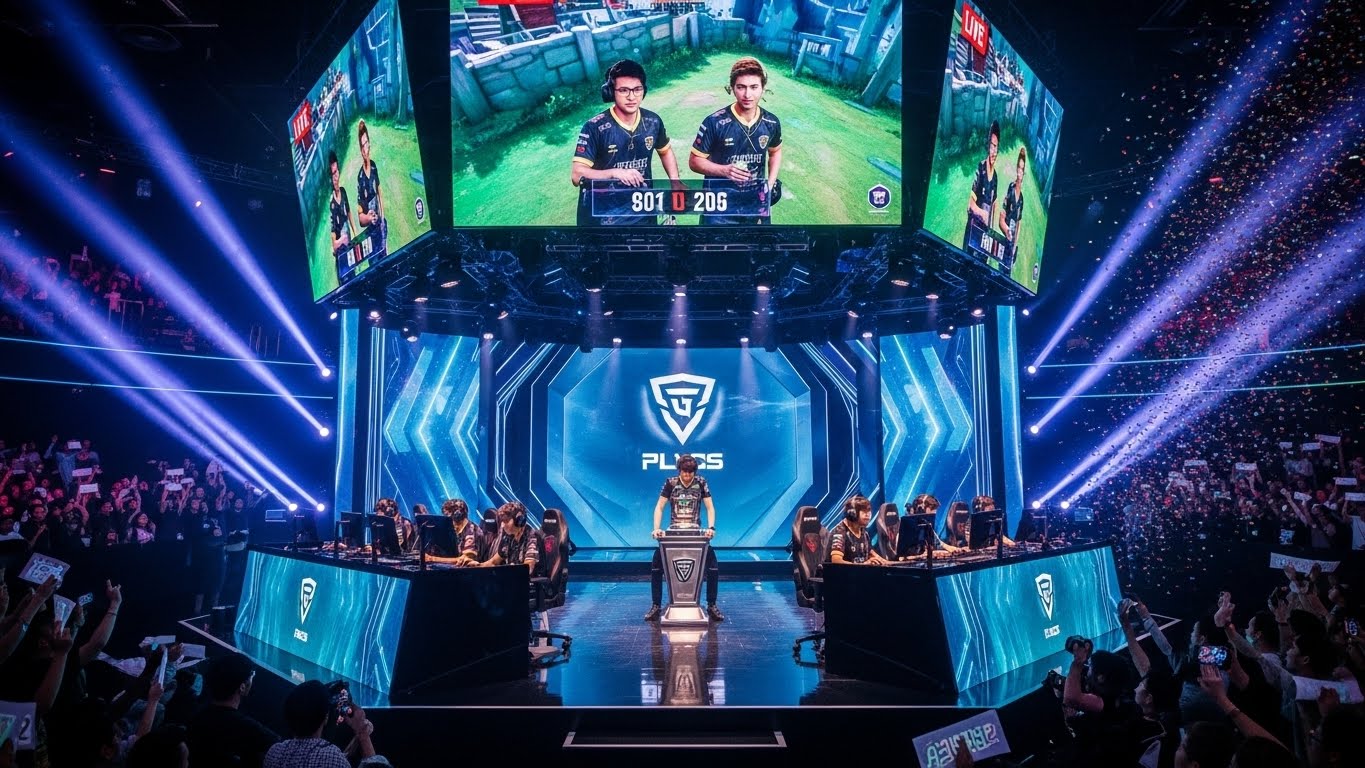
Esports, or electronic sports, has transformed from a niche hobby into a global entertainment industry with millions of fans, players, and viewers. Once regarded as a pastime for gamers, the sector now attracts large-scale sponsorships, professional athletes, and live-streaming platforms, revolutionizing the way we think about competitive sports. In this blog post, we will explore the rise of esports, its cultural impact, the business side of the industry, and its future trajectory.
The Evolution of Esports: From Casual to Competitive
Esports is not a new phenomenon. The roots of competitive gaming can be traced back to the early 1970s with arcade competitions and early home gaming systems. However, it wasn’t until the late 1990s and early 2000s that esports truly began to emerge as a mainstream phenomenon. Games like StarCraft, Quake, and Counter-Strike laid the foundation for what would later become organized tournaments and professional leagues.
Early Days: A Small Community of Gamers
In the beginning, esports consisted primarily of small, grassroots tournaments, often hosted in local gaming centers or at conventions. Players competed for modest prizes, mostly in the form of recognition or, at most, a few hundred dollars. The audience was largely made up of hardcore gamers who enjoyed watching competitive play in person or online through forums and live streams. The first significant step toward organized esports came with the establishment of early esports leagues like the World Cyber Games and Major League Gaming (MLG).
Growth and Professionalization
As the internet became more widely accessible and gaming technology advanced, the global audience for esports expanded exponentially. In the 2010s, esports saw a surge in viewership, thanks to the rise of platforms like Twitch and YouTube Gaming. The introduction of multi-player online battle arena (MOBA) games like League of Legends and Dota 2 added complexity and spectacle to the genre, attracting a new generation of gamers and viewers.
By this time, esports had become more professionalized. Teams, sponsors, and organizations began to structure their operations in a similar way to traditional sports leagues. Players were no longer just hobbyists; they were full-time professionals with salaries, contracts, and agents. Top-tier esports tournaments began to offer multi-million-dollar prize pools, and the crowds in arenas and the number of online viewers grew to match that of major traditional sports events.
Esports Culture: More Than Just Gaming
One of the most remarkable aspects of esports is the vibrant culture that has developed around it. This culture is not just about the games themselves but also about the community, lifestyle, and influence that esports has had on pop culture at large. Esports has shaped the way people view gaming, turning it from a solitary or social activity into a communal experience that transcends borders and time zones.
Global Fanbase and Online Communities
Esports has broken down geographical boundaries. Fans from around the world can watch live tournaments, cheer for their favorite teams, and interact with other like-minded individuals online. The global fanbase is one of the driving forces behind the industry’s rapid growth. Fans often form tight-knit communities around specific games or teams. These online communities—whether on Reddit, Discord, or other social platforms—are where fans exchange strategies, analyze gameplay, and celebrate victories together. This sense of community is a key part of esports’ appeal, offering fans a sense of belonging and participation even if they aren’t professional players themselves.
Streamers and Content Creators
A significant contributor to the growth of esports has been the rise of professional streamers and content creators. These individuals often start out playing games for fun or as a hobby but eventually turn their passion into a full-time career. Popular streamers such as Ninja, Shroud, and Pokimane have helped bring esports into mainstream entertainment. They are not only entertainers but also influencers who shape the trends within the gaming community.
Streamers engage with their audiences in real-time, creating a level of intimacy and interaction that traditional media can’t replicate. This real-time connection between gamers and their fans is part of what makes esports unique and exciting. The popularity of platforms like Twitch, YouTube, and Facebook Gaming has made it possible for individuals to create careers centered around gaming and esports, and these platforms continue to serve as an essential avenue for fans to experience competitive gaming.
The Business Side of Esports: A Multi-Billion Dollar Industry
While esports initially gained momentum through grassroots movements, the business side of the industry has rapidly caught up. Esports has become a highly lucrative field, drawing investments from a variety of sources, including traditional sports organizations, tech companies, and major brands.
Sponsorships and Advertising
One of the biggest revenue sources for esports comes from sponsorships and advertising. Much like traditional sports, esports teams, players, and tournaments attract large-scale sponsorship deals. Brands from various industries, including technology, apparel, food and beverage, and even financial services, now see esports as a lucrative market for advertising. Companies like Intel, Coca-Cola, and Red Bull have long been involved in sponsoring major esports events and tournaments, while many teams have their own dedicated sponsors.
The appeal of esports to sponsors lies in the demographic of its fanbase, which is young, tech-savvy, and engaged with digital content. Advertisers see the opportunity to connect with an audience that is often hard to reach through traditional media like television.
Prize Pools and Tournament Revenue
Another significant revenue stream for the esports industry is prize money from tournaments. Major esports tournaments, such as The International (for Dota 2) and the League of Legends World Championship, offer multi-million-dollar prize pools, which attract the best players and the largest audiences. These tournaments have become spectacles, often drawing in viewers comparable to major sporting events. Prize pools are funded by a combination of ticket sales, merchandise sales, advertising, and contributions from game developers.
The Role of Game Developers
Game developers play a crucial role in the esports ecosystem. Titles like League of Legends, Counter-Strike: Global Offensive, Overwatch, and Fortnite have not only created games that are highly competitive but also supported the competitive scene through official tournaments, updates, and prize funding. Game developers have recognized the potential of esports as a marketing tool and have invested heavily in supporting the community and growing their games’ competitive scene. Some, like Riot Games and Blizzard Entertainment, even manage their own esports leagues and tournaments.
Esports as a Career: A Path to Professionalism
As esports continues to evolve, the prospect of a professional career in gaming is becoming a realistic option for many players. While the path to becoming a top-tier esports athlete is not easy, it has become much more accessible in recent years. Many professional players start young, practicing their skills for hours a day and competing in smaller tournaments to gain recognition. Over time, they can sign contracts with esports organizations, receive sponsorship deals, and participate in global tournaments.
In addition to professional players, the esports industry also offers various career opportunities behind the scenes. This includes roles in event management, broadcasting, marketing, coaching, and even game design. The rapid expansion of esports has created thousands of jobs and is opening up new career paths that didn’t exist a decade ago.
The Future of Esports: What Lies Ahead?
As esports continues to grow, there are several exciting developments on the horizon. The future of esports is likely to be shaped by advances in technology, greater integration with traditional sports, and an increasingly globalized fanbase.
Virtual and Augmented Reality
One of the most exciting possibilities for the future of esports is the integration of virtual and augmented reality (VR and AR). These technologies could transform the way esports are played and viewed, providing even more immersive and interactive experiences for both players and spectators. Imagine a League of Legends match where viewers can watch from the perspective of the players or even interact with the environment in real-time using AR.
Mainstream Acceptance
Esports is slowly but surely being accepted as a legitimate form of competition and entertainment. As esports continues to gain recognition from governments, educational institutions, and the general public, it is likely to see even greater mainstream acceptance. We are already seeing some universities offer scholarships for esports players, and more media outlets are covering esports events like they would traditional sports.
Global Growth and Regional Leagues
Esports is already a global phenomenon, but there is still room for growth in emerging markets like Southeast Asia, Africa, and Latin America. As internet access improves and gaming culture continues to spread, esports leagues and tournaments will expand into new regions, increasing the global footprint of the industry.
Conclusion: A New Era of Entertainment
Esports is no longer just a subculture or a niche hobby. It has evolved into a massive, global industry that attracts millions of viewers, creates career opportunities, and influences the way we view competition and entertainment. With its growing fanbase, increasing financial investments, and technological innovations, esports is poised to become an integral part of the global entertainment landscape. As the industry continues to mature, one thing is clear: the future of esports is bright, and it is only just getting started.