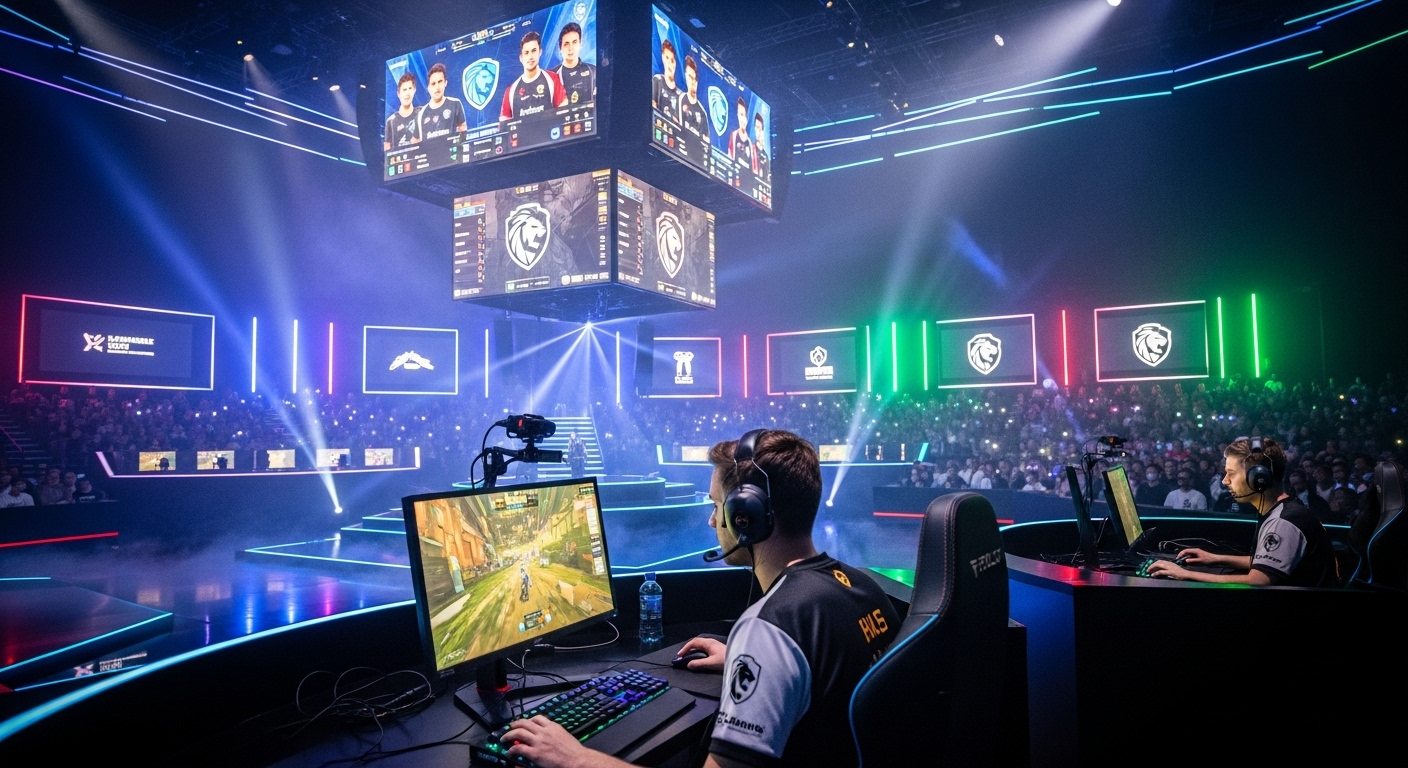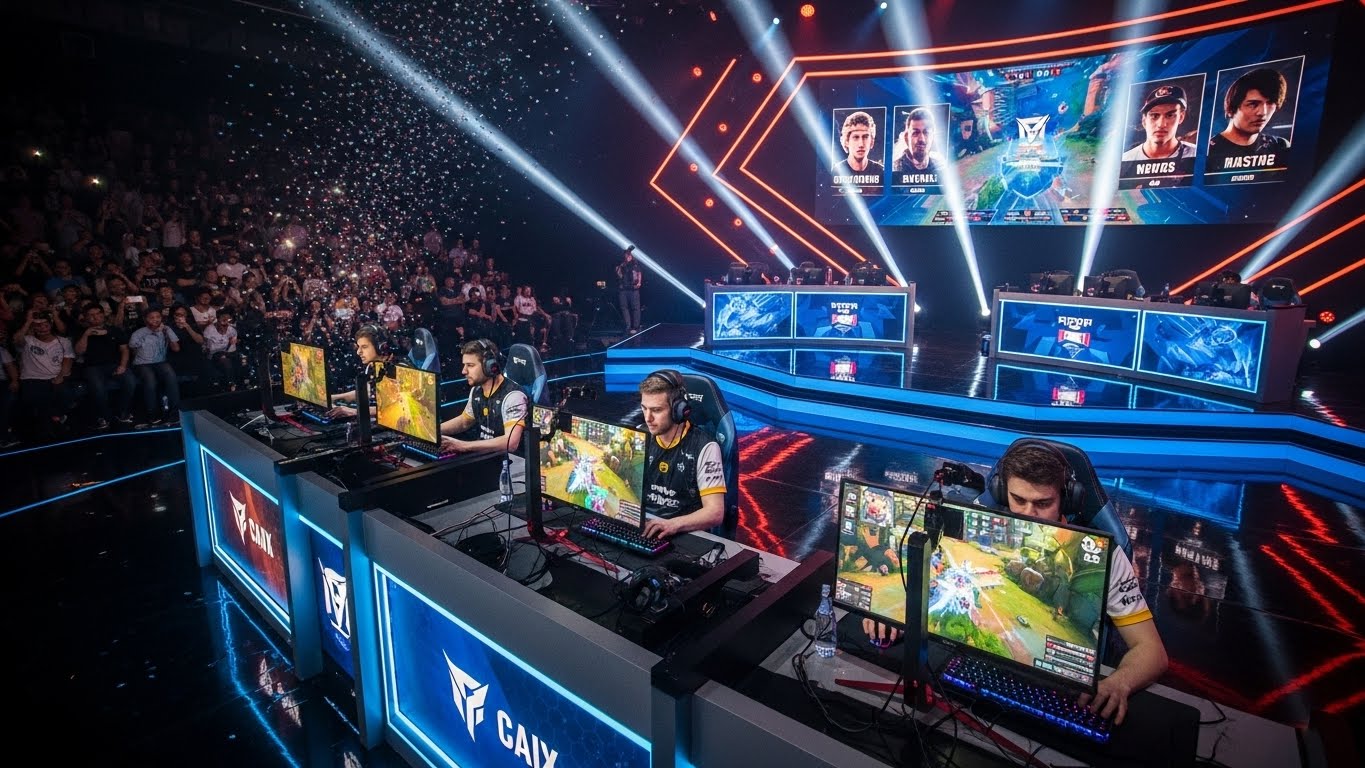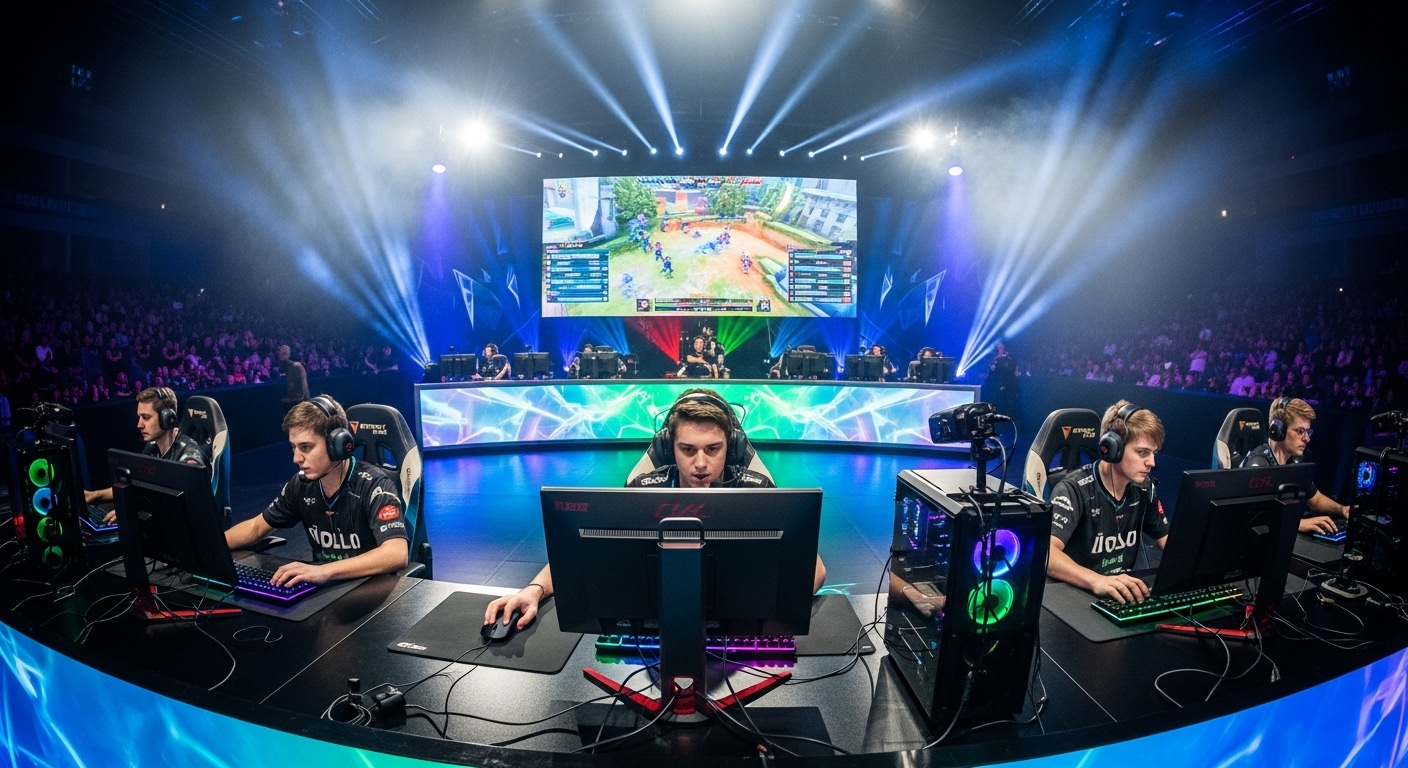
Esports, short for electronic sports, has transformed from a niche hobby into a global entertainment powerhouse. Once considered merely casual gaming among friends, competitive gaming now stands shoulder-to-shoulder with traditional sports in terms of viewership, fan engagement, and revenue. The rise of esports has been fueled by technological advancements, the proliferation of online streaming platforms, and the growing legitimacy of competitive gaming as a career path.
Origins of Esports
The roots of esports can be traced back to the 1970s and 1980s, when early video games like Pong and Space Invaders began to attract competitive communities. The first known gaming competition, the “Intergalactic Spacewar Olympics,” took place in 1972 at Stanford University. As arcade games became popular, so did competitions, culminating in events like the 1980s Nintendo World Championships in the United States.
With the rise of personal computers in the 1990s, esports began to take on a more structured form. Games like StarCraft, Quake, and Counter-Strike established the foundations of professional esports, featuring organized tournaments and the emergence of dedicated teams. South Korea, in particular, became a hub for competitive gaming, especially for StarCraft: Brood War, where players gained celebrity status and tournaments were broadcast on television.
Evolution of Esports Competitions
The competitive scene of esports has evolved dramatically over the decades. Early tournaments were relatively small, often limited to local or national levels. However, the expansion of the internet in the late 1990s and early 2000s enabled online multiplayer competitions, which allowed players from across the world to compete in real time.
The advent of platforms like Twitch and YouTube Gaming further revolutionized esports, offering live streams of tournaments to global audiences. Today, events like The International for Dota 2, the League of Legends World Championship, and the Fortnite World Cup draw millions of viewers and distribute multi-million-dollar prize pools. These events have helped elevate esports into mainstream culture and transformed professional gaming into a legitimate career path.
Popular Esports Genres
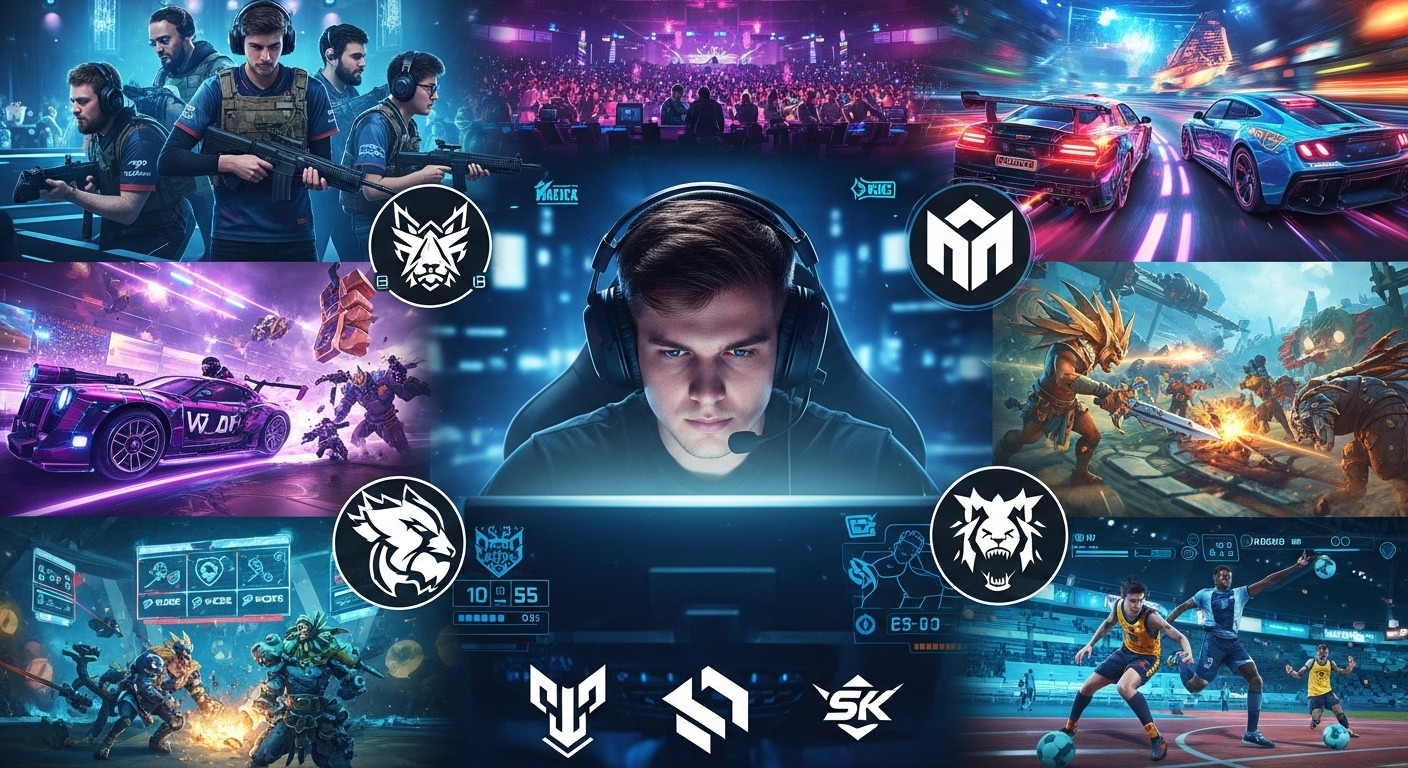
Esports encompasses a variety of game genres, each attracting unique audiences and competitive structures. Some of the most prominent genres include:
Multiplayer Online Battle Arenas (MOBAs)
MOBAs, such as League of Legends and Dota 2, are team-based strategy games where players control individual characters with distinct abilities. Teams compete to destroy the opponent’s base while defending their own. MOBAs are known for their strategic depth, requiring teamwork, communication, and quick decision-making.
First-Person Shooters (FPS)
FPS games, like Counter-Strike: Global Offensive, Call of Duty, and Overwatch, are centered on precision, reflexes, and tactical planning. Players compete individually or in teams to complete objectives, often involving combat scenarios. FPS esports emphasize fast reflexes, map awareness, and coordination, making them thrilling to watch and highly competitive.
Battle Royale Games
Battle royale games, such as Fortnite, PUBG, and Apex Legends, pit large numbers of players against each other in shrinking arenas until only one player or team remains. These games combine survival elements, resource management, and strategic positioning, creating tense and unpredictable matches that captivate viewers.
Fighting Games
Fighting games, including Street Fighter, Tekken, and Super Smash Bros., focus on one-on-one combat, emphasizing timing, reflexes, and memorization of opponents’ patterns. Fighting game tournaments, though smaller in scale compared to MOBAs or FPS events, maintain passionate communities and high skill ceilings.
Sports Simulations and Racing Games
Games like FIFA, NBA 2K, and Gran Turismo allow players to simulate real-world sports or racing competitions. These games attract both esports enthusiasts and traditional sports fans, bridging the gap between virtual and real-life athleticism.
The Structure of Professional Esports
Professional esports is structured similarly to traditional sports leagues. Teams often consist of five to ten players, supported by coaches, analysts, managers, and content creators. Teams participate in leagues and tournaments throughout the year, with performance affecting rankings, sponsorship deals, and prize earnings.
Esports players are often scouted at a young age, with training regimens rivaling those of traditional athletes. Professional players may spend six to ten hours a day practicing, analyzing strategies, and reviewing past matches. This level of dedication underscores the seriousness of competitive gaming as a profession.
Esports Organizations and Teams
Esports organizations function as the backbone of competitive gaming. Organizations such as TSM, Cloud9, Fnatic, and Team Liquid manage multiple teams across different games, providing financial support, coaching, and branding opportunities. These organizations also invest heavily in marketing and content creation, expanding their reach beyond competition to engage with fans worldwide.
The rivalry between top organizations fuels fan loyalty, creating storylines similar to those in traditional sports. Fans often follow their favorite players and teams across multiple tournaments, leading to thriving fan communities and extensive media coverage.
The Economics of Esports
The esports industry has witnessed exponential growth in revenue over the last decade. Revenue streams include sponsorships, advertising, merchandise, ticket sales for live events, and media rights. Major tournaments often attract corporate sponsors from technology, energy drinks, apparel, and even automotive industries, highlighting the commercial appeal of esports.
Prize pools have also ballooned significantly. For example, The International 2023 for Dota 2 offered a total prize pool exceeding thirty million dollars. Such figures have incentivized players to pursue esports full-time, attracting talent globally and fueling competition at the highest levels.
Streaming and Content Creation
Streaming has played a pivotal role in esports growth. Platforms like Twitch, YouTube Gaming, and Facebook Gaming allow players to broadcast their gameplay to millions of viewers. Streaming creates an additional revenue stream through subscriptions, donations, and sponsorship deals.
Content creation also enhances fan engagement. Players and organizations produce tutorials, highlight reels, and behind-the-scenes content, giving fans insight into training routines and team dynamics. The combination of live competition and content creation has solidified esports as both entertainment and sport.
Global Impact of Esports
Esports has transcended cultural and geographical boundaries, uniting fans and players worldwide. International tournaments showcase talent from every continent, promoting cross-cultural exchange and global recognition. Countries like South Korea, China, and the United States have become esports powerhouses, investing in infrastructure, training facilities, and leagues to support competitive gaming.
Moreover, esports has influenced mainstream media. Celebrities, athletes, and influencers participate in gaming events, while traditional sports networks broadcast tournaments to millions of viewers. This integration has elevated esports from niche hobby to global phenomenon.
Challenges Facing Esports
Despite its growth, esports faces several challenges. Player burnout is a significant concern due to intense training schedules and high-pressure competition. Mental health support is increasingly recognized as vital for sustaining long-term careers.
Another challenge is regulation. As esports continues to grow, establishing standardized rules, anti-cheating measures, and player contracts becomes critical. Organizations and governing bodies are working to ensure fair competition while maintaining the integrity of tournaments.
Additionally, diversity and inclusion remain ongoing issues. While esports has made strides in welcoming players of all genders and backgrounds, representation in professional teams and leadership roles continues to lag behind traditional sports.
The Future of Esports
The future of esports looks promising, with continued expansion expected across multiple fronts. Advancements in virtual reality, augmented reality, and cloud gaming could redefine how games are played and viewed. Imagine immersive tournaments where fans experience the action from within the game environment.
Esports may also gain greater recognition from educational institutions. Some universities already offer esports scholarships, providing students with opportunities to compete at high levels while pursuing academic degrees. This integration of esports into academia could legitimize competitive gaming further and expand pathways for aspiring professionals.
Moreover, esports is likely to continue blending with mainstream entertainment. Collaborative projects with films, music, and fashion industries are already emerging, positioning esports as a central cultural phenomenon.
Conclusion
Esports has evolved from modest beginnings into a global industry with millions of participants and viewers. It encompasses diverse genres, offers lucrative career opportunities, and unites fans across continents. The combination of skill, strategy, and entertainment makes esports uniquely engaging, while technological innovations promise even more immersive and accessible experiences in the future.
As esports continues to grow, it challenges traditional perceptions of sports, entertainment, and professional competition. It represents not just a pastime but a legitimate cultural and economic force, shaping the future of digital entertainment and redefining what it means to be a professional athlete in the 21st century.
The journey of esports is far from over, and as it continues to evolve, one thing is certain: the world of competitive gaming is here to stay, captivating audiences and inspiring players for generations to come.