Introduction: The Rise of Esports
Over the past two decades, esports has evolved from a niche hobby into a multi-billion-dollar industry, drawing in millions of viewers and players worldwide. What began as a small gathering of gamers competing in local LAN (Local Area Network) tournaments has transformed into a global competitive spectacle with professional athletes, lucrative sponsorship deals, and massive prize pools. Esports now represents a cultural movement, blending technology, competition, and entertainment in ways that were once unimaginable. This blog explores how esports became a dominant force in the entertainment world, why it resonates with millions, and what the future holds for this rapidly growing industry.
The Origins of Esports: From Arcades to Global Arenas
The concept of competitive gaming dates back to the early days of arcade games in the 1970s and 1980s. Back then, players competed for high scores in games like “Pong” and “Space Invaders,” but these early competitions were often informal and localized. However, the first true esports tournaments began to take shape in the 1990s with the rise of multiplayer online games.
One of the first major milestones in esports was the 1997 Red Annihilation tournament, which was held for the game Quake and is considered by many to be the first major esports competition. The prize for the winner was a Ferrari 328 GTS, an indication of just how serious these competitions were beginning to get. The early 2000s saw esports take off in South Korea, where games like StarCraft were not only immensely popular but also broadcast on television, making esports a national pastime. This period marked the beginning of organized esports leagues, sponsorships, and a focus on professional players.
Why Esports Captures Global Attention
Esports has become more than just a competitive activity; it’s a global cultural phenomenon. The appeal of esports is multifaceted, with factors ranging from accessibility and inclusivity to community and entertainment.
Accessibility and Inclusivity
Unlike traditional sports, which often require significant physical skill and access to expensive facilities, esports can be played by anyone with a computer or console. This makes esports incredibly accessible to people of all ages, backgrounds, and physical abilities. Players don’t need to meet physical height or strength requirements; instead, what matters most is skill, strategy, and quick reflexes.
Moreover, esports offers a sense of inclusivity. Whether you’re a casual player or a professional, anyone can join in, whether it’s playing a quick game of League of Legends or watching a high-stakes Dota 2 tournament. This democratization of competitive gaming is a significant reason why esports has exploded in popularity, especially among younger audiences who grew up in a digital-first world.
Entertainment Value
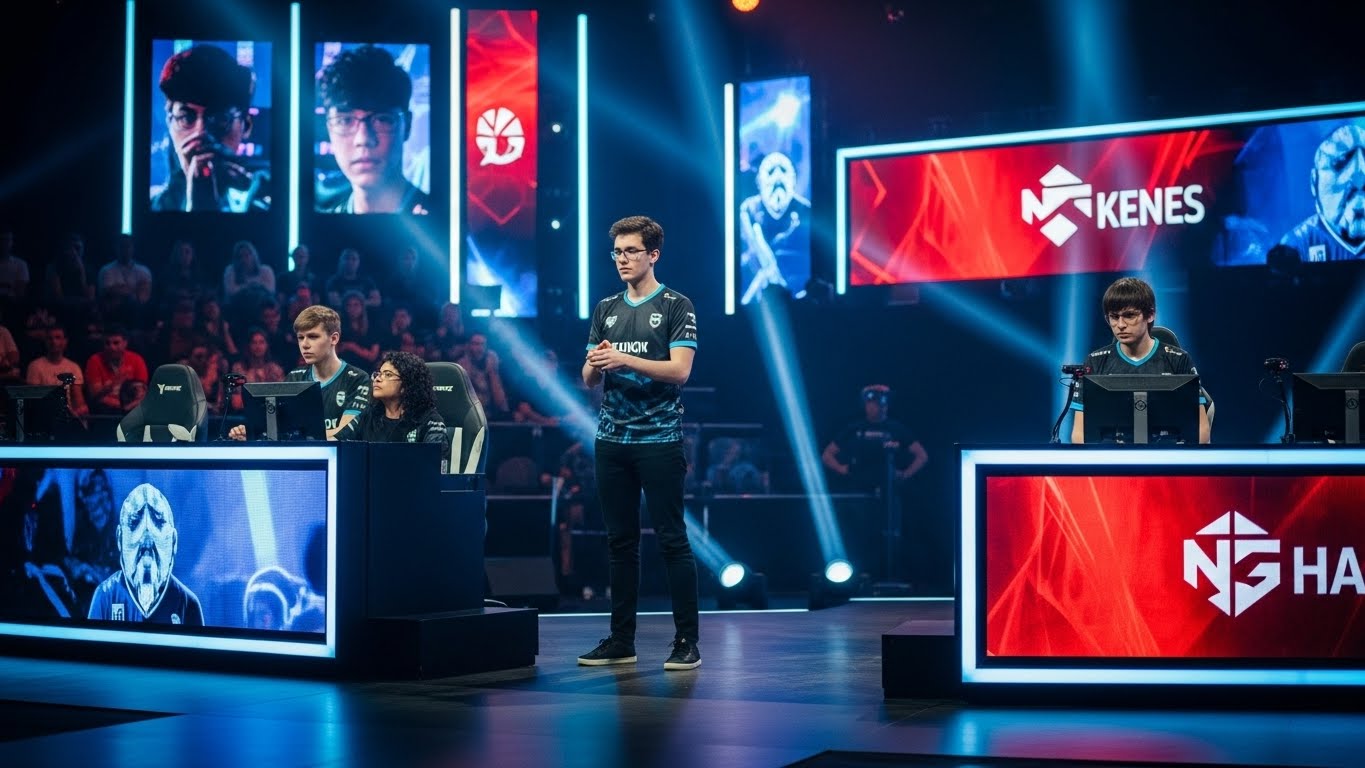
Esports events are much more than just gameplay; they are entertainment spectacles. Major tournaments like The International for Dota 2 or the League of Legends World Championship are broadcast live to millions of viewers. The matches are often accompanied by live commentary, expert analysis, and spectacular graphics, making them feel more like sports broadcasts than simple video game sessions. The production value of these events rivals traditional sports leagues like the NFL or NBA.
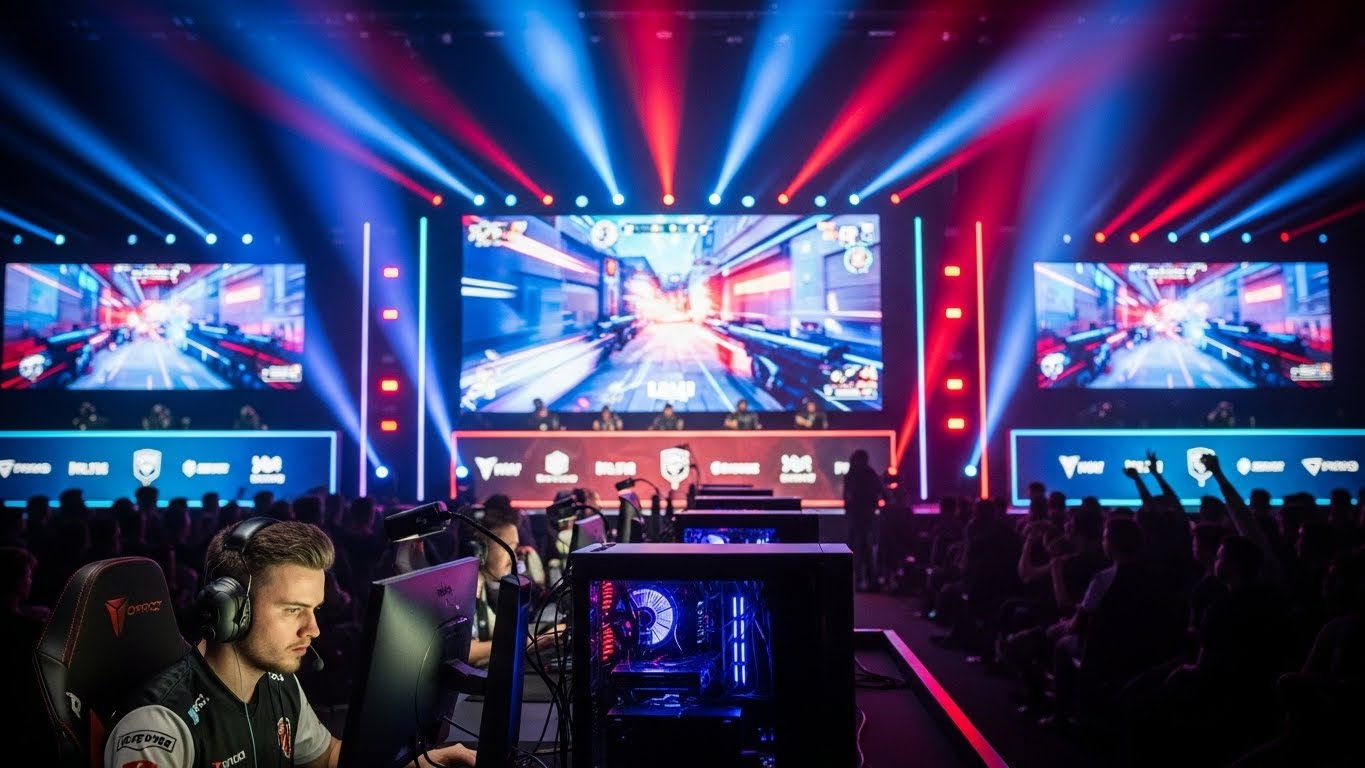
Furthermore, esports events are often held in large arenas with thousands of fans in attendance, creating an electric atmosphere filled with cheering crowds, pyrotechnics, and vibrant displays. This blend of high-energy gaming and theatrical presentation draws in not only gamers but also casual viewers who may not otherwise engage with competitive gaming.
The Professionalization of Esports
One of the key factors in esports’ meteoric rise has been its professionalization. As esports grew in popularity, it attracted investment, sponsorships, and talent scouts, all of which helped elevate competitive gaming from a hobbyist activity to a legitimate career option.
The Life of an Esports Professional
Today, professional esports players are akin to athletes in traditional sports. They sign contracts with teams, undergo rigorous training regimens, and compete in high-stakes tournaments with millions of dollars on the line. Top-tier players in games like Counter-Strike, League of Legends, or Overwatch can earn millions of dollars in salary, sponsorships, and tournament winnings each year.
But the life of a professional esports player isn’t all glamour and fame. Like traditional athletes, esports professionals must dedicate themselves to intense practice schedules. Many players train for 8-12 hours a day, refining their skills, studying game mechanics, and analyzing their opponents’ strategies. Team cohesion, communication, and strategic planning are just as important in esports as physical performance is in traditional sports.
Furthermore, just like professional athletes, esports players have relatively short careers. The average career length for an esports player is around 3-5 years, and players often retire in their mid-to-late 20s. As a result, many professional gamers transition into coaching, streaming, or broadcasting once they retire from competitive play.
Esports Organizations and Sponsorships
Esports organizations have followed a model similar to traditional sports teams, with franchises, management, coaches, and staff. Teams like Cloud9, Team Liquid, and Fnatic are household names within the gaming community, and they often compete in multiple titles across different genres.
These teams sign sponsorship deals with major brands, including tech companies, energy drinks, and clothing brands. In fact, sponsorships are one of the largest sources of revenue for esports organizations. Companies like Red Bull, Intel, and Coca-Cola have recognized the immense potential of esports and have invested heavily in supporting teams, tournaments, and individual players.
The Esports Ecosystem: Tournaments, Leagues, and Streaming
The esports ecosystem is built on several key pillars: tournaments, leagues, and streaming platforms. Each plays a vital role in maintaining the industry’s growth and engagement.
Tournaments and Leagues
Esports tournaments are the main stage where professional players and teams showcase their talents. Some of the most prestigious tournaments include The International for Dota 2, the League of Legends World Championship, and Overwatch League. These events not only offer substantial cash prizes but also draw millions of viewers from around the globe.
Leagues such as the Call of Duty League and ESL Pro League provide consistent competitive play throughout the year, allowing teams to compete for both prizes and rankings. The structure of these leagues mirrors traditional sports, with regular seasons, playoffs, and finals, creating a year-round spectacle that keeps fans engaged.
Streaming Platforms and Fan Engagement
Streaming platforms like Twitch and YouTube Gaming have revolutionized the way fans interact with esports. Twitch, in particular, has become the go-to platform for watching live gameplay, esports tournaments, and community-driven content. Viewers can watch their favorite players compete in real-time, chat with other fans, and even interact with players themselves.
Streaming has also become a viable career for many professional gamers and content creators. Streamers who attract large audiences can earn money through ads, donations, and sponsorships. This has led to a new generation of influencers and celebrities within the gaming world. Some players even use their streams as a platform to build personal brands, attracting endorsement deals from global companies.
The Global Impact of Esports
Esports has a far-reaching influence that extends beyond just gaming enthusiasts. It is reshaping industries, influencing youth culture, and offering opportunities in various sectors.
Esports and Youth Culture
Esports has become an integral part of modern youth culture. For many, gaming is not just a hobby; it’s a social activity, a career aspiration, and a form of entertainment. Schools are even incorporating esports into their curricula, offering scholarships and creating esports programs that teach teamwork, strategy, and digital literacy.
Additionally, esports has provided a platform for diverse voices. Women, minorities, and people from various backgrounds have been able to find communities within the esports world. In fact, many organizations are working toward greater inclusivity, ensuring that everyone has a seat at the table, both as players and as fans.
Esports as an Industry
Esports is no longer confined to the digital realm. It has become a global industry, creating jobs in game development, event management, marketing, broadcasting, and more. The rise of esports has also spurred the growth of gaming-related industries, including streaming services, hardware manufacturers, and even the development of virtual reality platforms.
Esports has shown that digital entertainment is a force to be reckoned with. As an industry, it’s projected to surpass traditional entertainment sectors like film and music in terms of revenue. This growth has the potential to create long-term opportunities for individuals across the globe.
Challenges and the Future of Esports
While esports continues to grow, it faces several challenges. One of the major concerns is player burnout. The intense pressure to perform at the highest level can take a toll on players’ mental health and physical well-being. Organizations are increasingly recognizing the importance of mental health support for players, ensuring that they have the resources needed to maintain their well-being.
Another challenge is the issue of cheating and match-fixing. As with traditional sports, esports is vulnerable to these forms of misconduct. The integrity of the competitive scene must be protected, and developers, tournament organizers, and governing bodies are working together to create fair and transparent systems.
The future of esports looks bright, with advancements in technology such as virtual reality and artificial intelligence expected to revolutionize the gaming experience. Additionally, the inclusion of esports in major events like the Olympics could bring the sport to even larger audiences.